
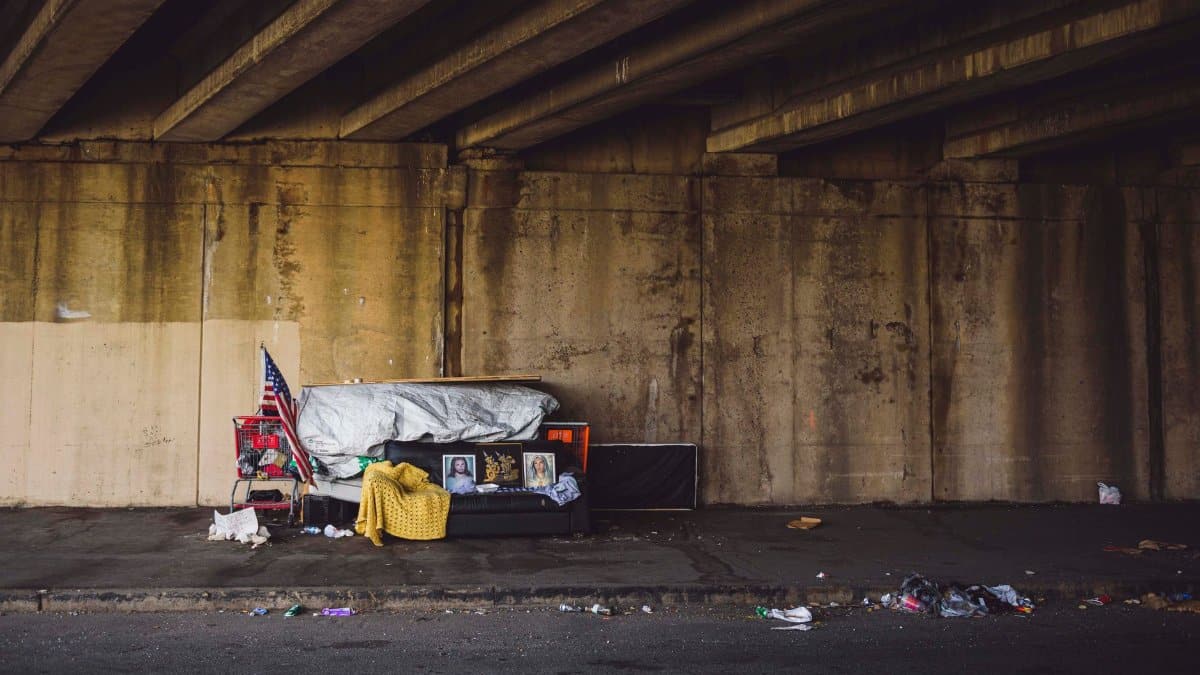
The sun rises over downtown Los Angeles revealing rows of temporary shelters that have become a familiar sight for residents. Amid this landscape the race for mayor has intensified with candidates debating solutions to persistent social problems. Nithya Raman homelessness LA stands out as a key topic in these discussions as voters weigh experience and proposed strategies.
Background of the Candidate

Councilmember Nithya Raman entered public service with a focus on urban planning and community needs. Her time on the city council involved direct engagement with neighborhood groups facing housing shortages and related issues. Observers note her academic background in architecture shaped an approach centered on building more units rather than temporary fixes alone.
Policy Approaches Examined

Early in her tenure Raman pushed for expanded shelter options and faster permitting for new housing projects. These steps aimed to increase available beds while addressing root causes like rising rents. Data from city reports showed modest gains in placements yet ongoing demand outpaced supply in many districts.
Criticisms from Opponents

Challengers in the mayoral contest including Karen Bass have questioned the pace of progress under current leadership. They point to continued visible encampments and argue that coordination across agencies remains fragmented. Public forums have featured pointed exchanges over whether existing plans deliver measurable reductions in street populations.
Comparison with Other Candidates

Bass brings experience from Congress and prior advocacy on social services. Her platform emphasizes partnerships with state and federal resources to fund larger scale projects. In contrast Raman highlights local innovations tested during her council term and stresses the need for city level accountability.
Public Response and Polls

Recent surveys indicate divided opinions among likely voters on who can best manage the homelessness file. Some residents express frustration with slow visible changes while others credit incremental improvements in specific areas. Turnout in upcoming debates may clarify these sentiments further.
Impact on Neighborhoods

Communities across the city report varying experiences with new housing developments and cleanup efforts. Areas with concentrated resources have seen fewer tents yet spillover effects appear in adjacent blocks. Local business owners describe mixed effects on foot traffic and safety perceptions.
Funding Challenges

Securing consistent budgets for ambitious targets requires navigating competing priorities in a large municipal system. Advocates call for reallocating resources from enforcement toward prevention programs. Shortfalls in matching funds from higher levels of government have delayed several announced initiatives.
Future Prospects

Whatever the election outcome the next administration will inherit a complex web of court orders and community expectations. Sustained attention to both immediate relief and long term construction remains essential. Analysts suggest success will depend on building broader coalitions beyond city hall.
Role of State Support

California leaders have allocated significant sums toward regional homelessness responses yet distribution and oversight vary. Raman has advocated for formulas that account for urban density when awarding grants. Coordination with Sacramento could determine whether Los Angeles meets its self set goals in coming years.
Lessons from Other Cities

Efforts in places like Houston and Salt Lake City offer examples of coordinated housing first models that achieved notable declines. Adapting those methods to Los Angeles scale presents logistical and cultural hurdles. Officials continue to study what elements might transfer effectively.