
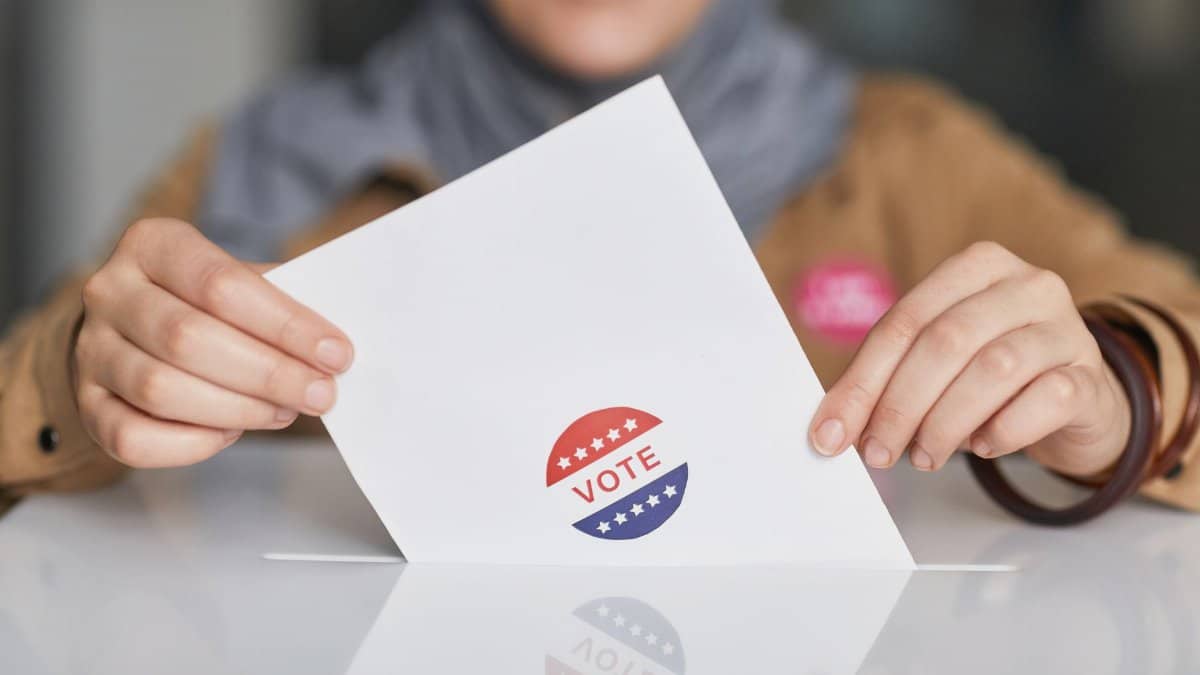
In the quiet hours before dawn, poll workers across Los Angeles County sifted through stacks of ballots under bright fluorescent lights, driven by a collective commitment to accuracy and fairness that defined this primary season. Residents had shown up in impressive numbers, reflecting deeper engagement with local issues from housing to public safety. The process moved ahead with notable efficiency, leading to the point where L.A. Election Results Certified without the prolonged waits that once tested public patience. This outcome highlights how administrative upgrades can strengthen trust in the system at a time when civic involvement feels more vital than ever.
Enhanced Procedures Speed Up Final Tallies

County officials adopted new scanning equipment and streamlined verification steps that cut down on bottlenecks during the count. Staff training programs focused on quick yet careful reviews helped maintain high standards while accelerating the overall timeline. Observers from various community groups praised the changes for reducing errors and building confidence among voters who had grown accustomed to extended waits in past cycles.
Record Participation Reflects Renewed Civic Energy

Turnout figures exceeded projections by a wide margin, with neighborhoods from South Los Angeles to the San Fernando Valley showing strong involvement. Many first time participants cited concerns over local policies as motivation to cast ballots. This surge suggests a broader awakening to the power of primary elections in shaping city leadership and state representation.
Technology Upgrades Transform Ballot Handling
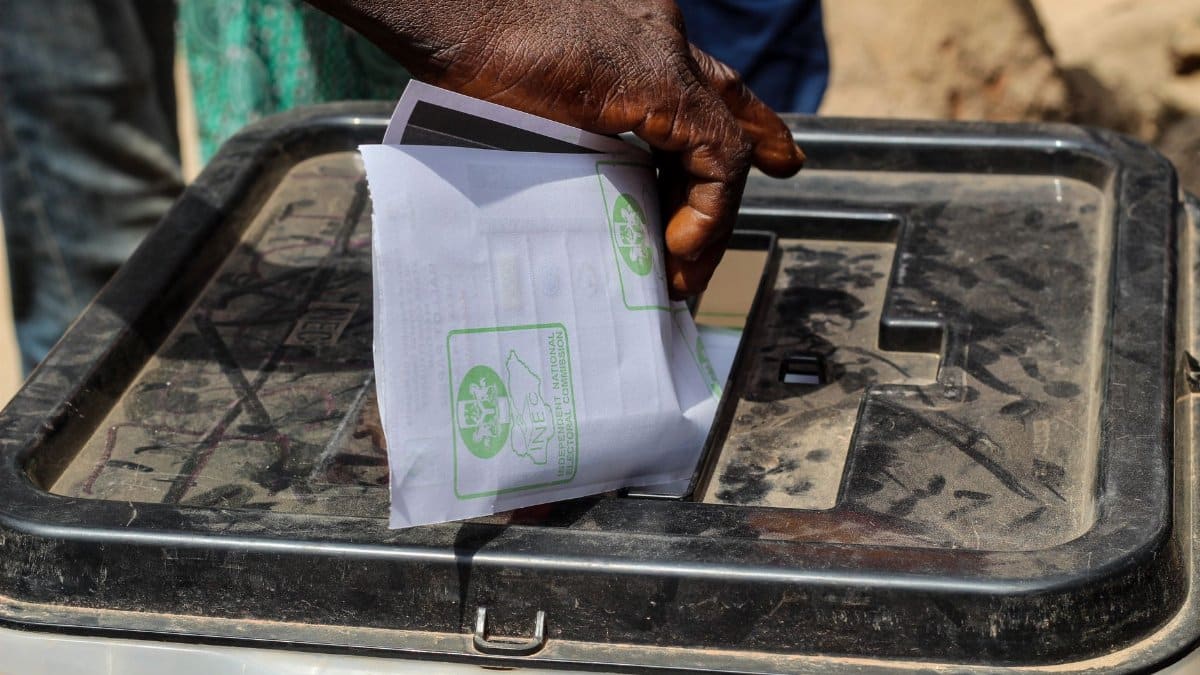
Digital tools allowed for real time tracking of incoming votes, enabling teams to allocate resources where backlogs threatened to form. Secure online portals gave candidates and the public access to preliminary data without compromising integrity. Such advancements align with national trends toward modern election infrastructure that prioritizes both speed and security.
Community Groups Play Vital Support Roles

Local organizations hosted workshops on mail in options and polling locations, helping to lower barriers for those facing transportation or scheduling challenges. Volunteers distributed information in multiple languages to reach diverse populations across the county. Their efforts contributed directly to the elevated participation levels observed on election day.
Lessons From Past Cycles Inform Current Success

Previous primaries revealed weaknesses in chain of custody protocols and data entry methods. Reforms addressed these gaps through better coordination between city agencies and state overseers. The result was a smoother experience that officials hope will serve as a model for other large jurisdictions facing similar logistical demands.
Public Trust Grows With Transparent Updates

Regular briefings from election administrators kept media outlets and residents informed about progress, easing anxieties during the critical counting phase. Clear communication channels reduced speculation and highlighted the methodical nature of certification. This approach fostered a sense of partnership between government and the people it serves.
Future Implications For Regional Governance

With L.A. Election Results Certified in record time, incoming leaders gain a solid mandate to address pressing matters like infrastructure and education funding. The efficient process may encourage even greater involvement in upcoming general elections. Analysts suggest these patterns could influence policy debates well beyond Los Angeles County lines.
Broader Trends In American Election Management

Similar improvements appear in other urban centers experimenting with automated sorting and enhanced cybersecurity measures. Collaboration between public and private sectors drives much of this evolution, aiming to balance accessibility with safeguards against interference. Los Angeles stands out for the measurable impact on both turnout and certification speed.