
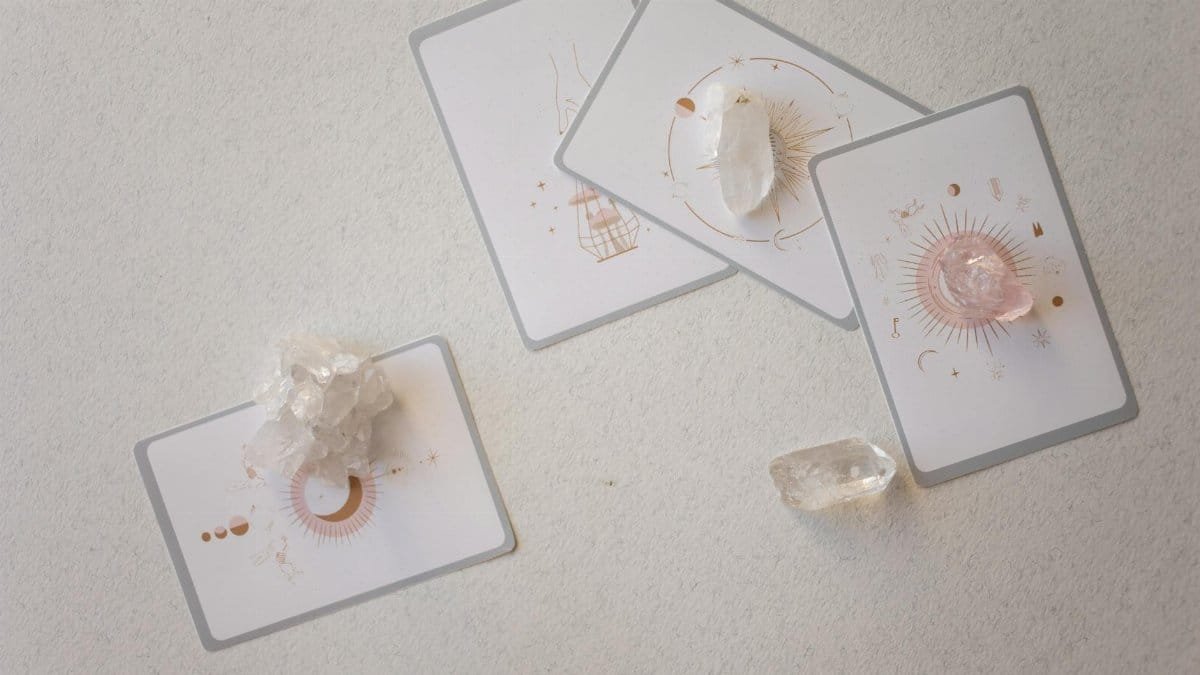
Is tarot reversals meaning really as complicated as it seems? For many, reversed cards in a Tarot deck can feel like a cryptic puzzle, throwing off an otherwise clear reading. But here’s the good news: understanding them doesn’t have to be overwhelming. Simply put, tarot reversals meaning often points to the opposite energy or a blocked expression of the upright card’s message. Whether you’re a beginner or a seasoned reader, this quick tip will help you decode reversed cards with confidence and clarity.
What Are Tarot Reversals?

Reversed Tarot cards appear upside down during a reading, and they carry a unique significance. Unlike upright cards, which reflect their standard meaning, reversals often suggest a twist—think of it as the shadow side or a muted version of the card’s energy. For example, an upright card about love might mean romance when reversed, it could hint at disconnection or self-love struggles. Getting a grip on this concept is the first step to mastering tarot reversals meaning.
The Simple Trick to Interpret Them
Here’s the tip: when a card shows up reversed, first recall its upright meaning, then consider the opposite or a challenge to that energy. A normally positive card like The Sun, which represents joy and success, might indicate delays or low confidence when reversed. If it’s a tougher card like The Tower, a reversal could soften the blow, suggesting avoidance of disaster. This straightforward flip in perspective cuts through the confusion fast.
Context Is Everything
Don’t read reversals in a vacuum. The surrounding cards and the question you asked matter. A reversed card in a spread about career might point to internal doubts, while the same card in a love reading could signal miscommunication. Always tie the tarot reversals meaning back to the specific situation. This keeps your interpretation grounded and relevant, avoiding generic guesses.
Common Pitfalls to Avoid

One mistake beginners make is assuming reversals are always negative. They’re not. Sometimes, they simply show a delay, a need for introspection, or a hidden aspect. Another trap is overthinking—don’t let a reversal derail your entire reading. Stick to the simple flip method and trust your gut. Overcomplicating can cloud the message.
Practice With a Single Card

Ready to try it? Pull one card from your deck daily and deliberately flip it to reversed. Note its upright meaning (check a guidebook if needed), then brainstorm how that energy might be blocked or inverted. Journaling this helps build intuition. Resources like Biddy Tarot’s Card Meanings offer detailed upright meanings to start from. Consistency turns this trick into second nature.
Where to Learn More

If you’re hungry for deeper insight, plenty of trusted sources expand on reversals. The Tarot.com Card Guide breaks down both upright and reversed meanings with clarity. Join online communities or local Tarot meetups in 2025 to swap tips with other readers. Remember, practice and curiosity are your best tools for unlocking the full potential of reversed cards.