
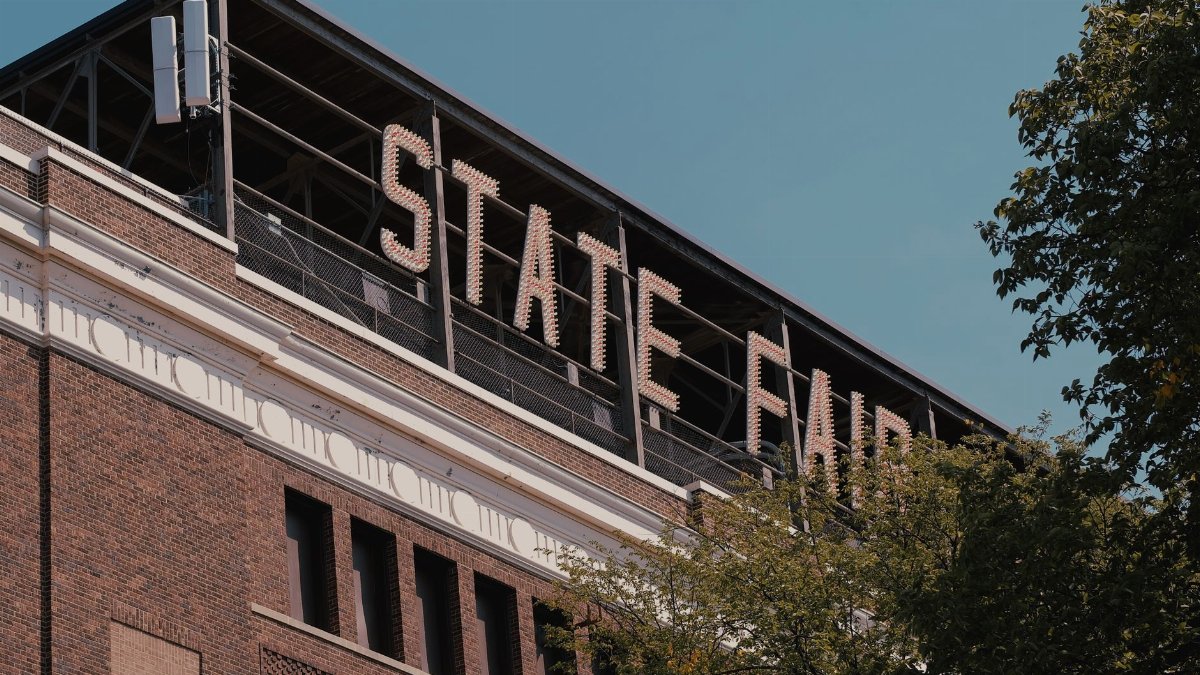
A lively crowd filled the grounds of the Minnesota State Fair this summer as families enjoyed rides and exhibits under sunny skies. Amid the usual festivities authorities took a notable step by obtaining court orders that restrict certain individuals from entering the venue. These State Fair Injunctions target seven people linked to gang activity and aim to reduce risks of violence or intimidation in a space meant for community enjoyment. The move reflects growing efforts by prosecutors to safeguard public events without relying solely on traditional policing methods. Observers note that such orders could set precedents for handling similar concerns at large gatherings across the region.
Background on the Recent Court Ruling
Prosecutors presented evidence of past incidents involving the named individuals to support their request for restrictions. Judges reviewed details about prior arrests and associations before approving the limits which bar the seven from the fairgrounds for a set period. This approach allows law enforcement to act on patterns of behavior rather than waiting for new offenses during crowded times.
Community Reactions to Enhanced Protections
Local residents expressed relief that steps were taken to preserve a family oriented atmosphere at the event. Parents mentioned feeling more at ease bringing children knowing extra layers of oversight exist. Business operators along the midway also welcomed the changes as they rely on steady attendance without disruptions that might scare away visitors.
Legal Framework Supporting Such Orders
State laws permit injunctions when clear evidence shows ongoing threats to public order. Attorneys for the prosecution argued that the fair qualifies as a sensitive location due to its size and mix of attendees from all ages. Defense teams countered that the measures could limit access too broadly yet the court found the targeted scope reasonable under current statutes.
Broader Impacts on Public Gatherings
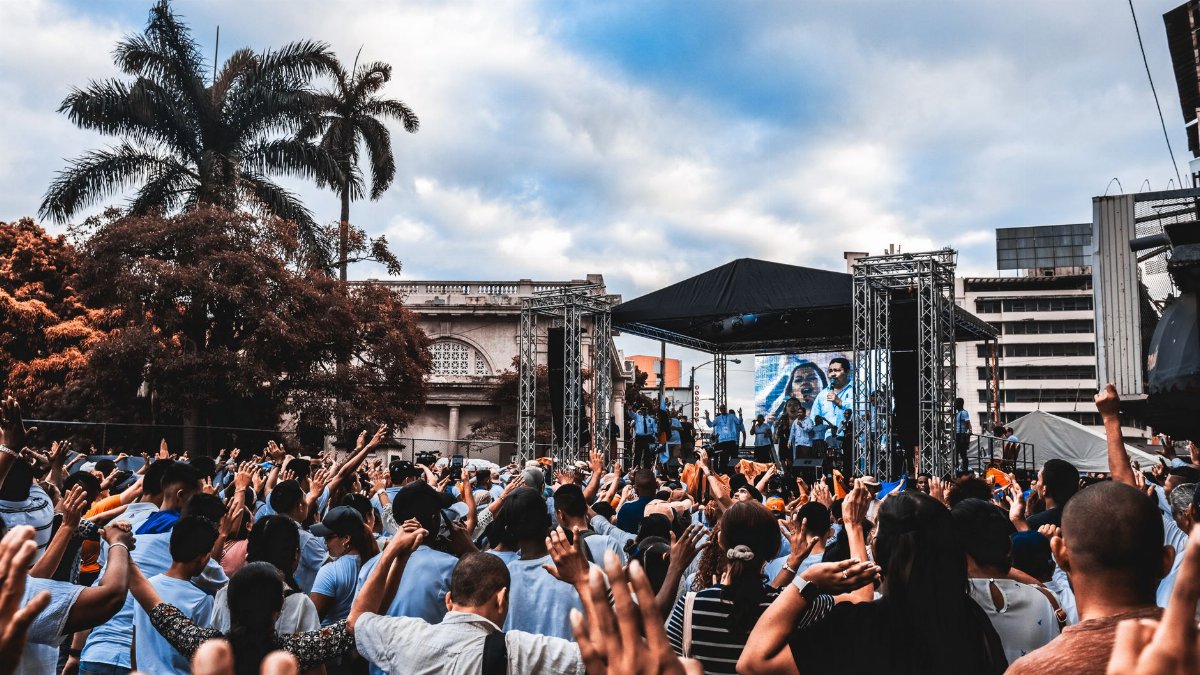
Events like county festivals and concerts now face questions about adopting comparable tools. Organizers study how Minnesota handled the process to weigh benefits against potential legal challenges. Some cities already explore similar options while monitoring outcomes from this case to refine their own policies.
Role of Local Law Enforcement Agencies

Officers at the fair received updated briefings on enforcing the new boundaries and reporting any violations promptly. Coordination between prosecutors and security teams helps ensure quick responses if issues arise. Training emphasizes deescalation alongside the legal authority granted by the orders.
Historical Context for Event Safety Measures
Large fairs have dealt with crowd control challenges for decades often through increased patrols or restricted zones. The current strategy builds on those foundations by adding civil remedies that focus on specific actors. Past cases in other states showed mixed results with some seeing drops in incidents while others encountered court pushback.
Future Considerations for Fair Organizers

Planners review visitor data and incident logs to determine if further adjustments prove necessary in coming years. Partnerships with community groups help balance security needs with open access traditions. Discussions continue on funding for monitoring tools that support enforcement without adding heavy costs.
Public Safety Outcomes Observed So Far
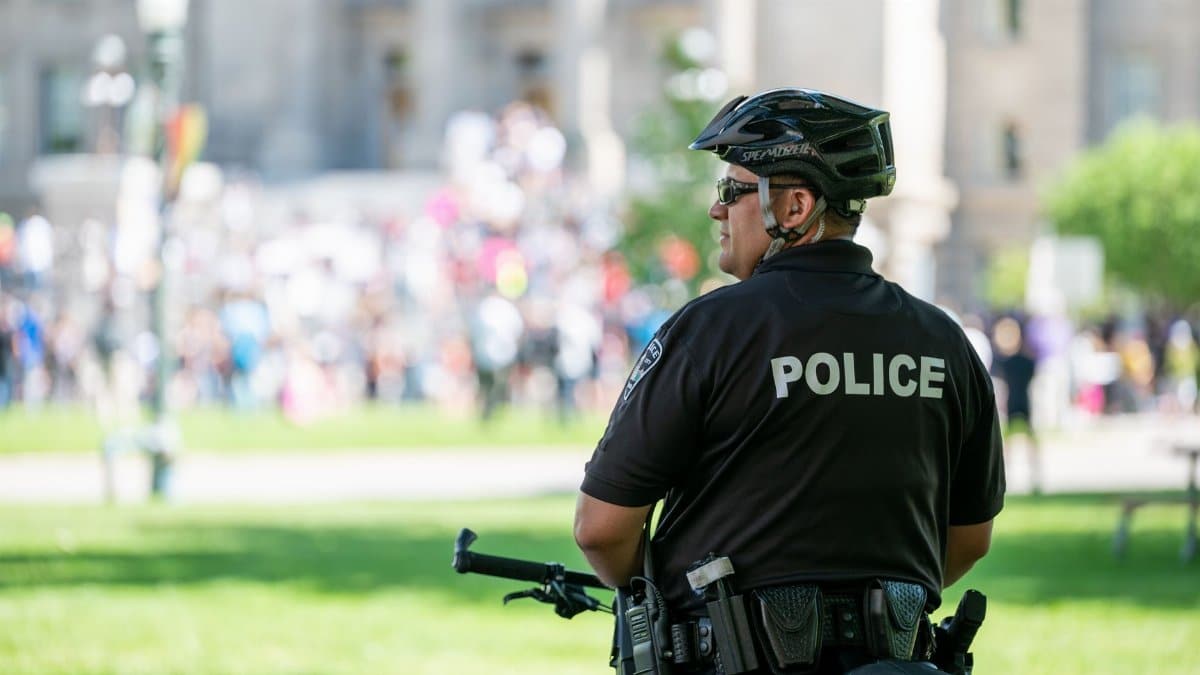
Early reports indicate fewer complaints about group related disturbances during the event period compared to previous seasons. Officials credit the combination of injunctions and regular patrols for the improvement. Continued evaluation will reveal whether these gains hold steady over multiple years.