
The Boundary Waters Canoe Area Wilderness has long captivated those seeking solitude in nature. As officials consider allowing limited access once more after disruptions from flames, the topic of BWCA reopening wildfires remains central to conversations among conservationists and adventurers alike. Conditions in the region continue to evolve prompting careful evaluation before any return to overnight stays becomes possible.
Understanding the Current Fire Conditions
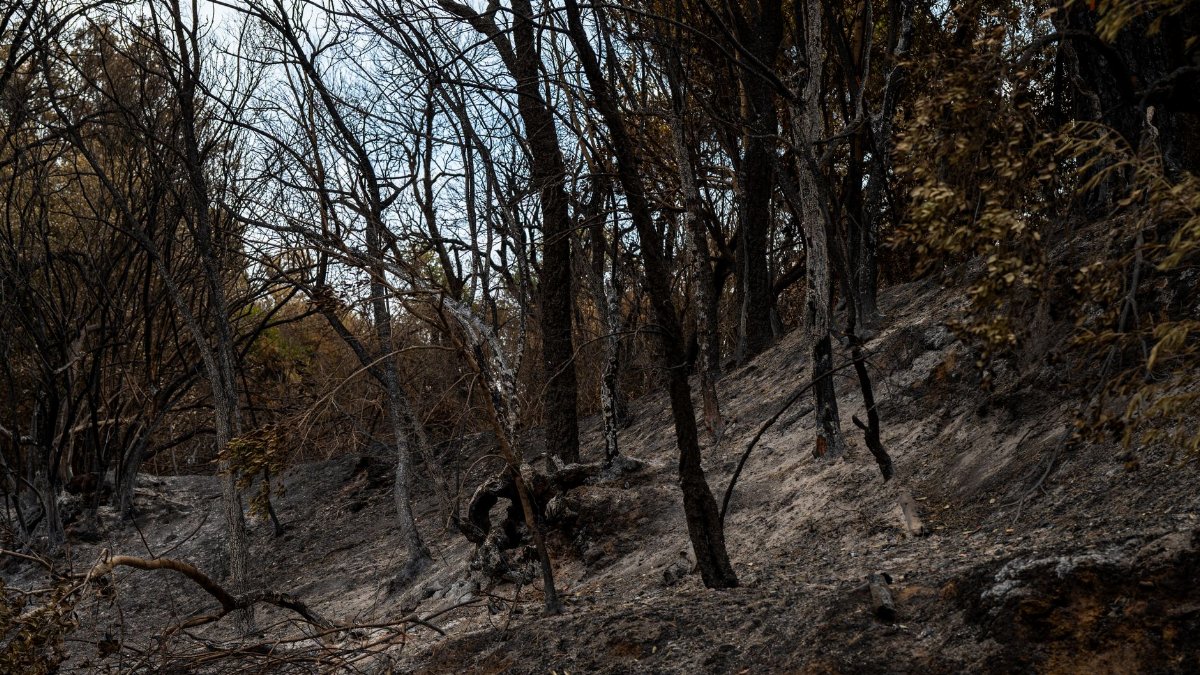
Forest service experts monitor smoke patterns and fuel moisture levels across thousands of acres each day. Recent assessments show pockets of lingering heat that could flare with any dry spell. This ongoing vigilance shapes every proposal for gradual reentry into the lakes and trails. Public safety stands as the top priority while crews map out zones where risks appear lowest.
Potential Effects on Local Wildlife

Moose and wolves have adjusted their routes amid scorched patches of forest. Birds that nest in dense undergrowth face challenges finding suitable spots until new growth emerges. Restoration efforts focus on protecting remaining habitats so animal populations can rebound without added pressure from human presence in the near term.
Community Perspectives on Access Restoration
Residents in gateway towns express a mix of relief and caution about welcoming paddlers back. Many rely on tourism for their livelihoods yet recognize that rushed decisions could lead to setbacks. Town hall meetings reveal strong support for phased openings that allow testing of new protocols before full seasons resume.
The Role of Weather in Future Decisions

Forecasts play a decisive part in timing any changes to entry rules. Steady rains could speed up clearance while hot winds might delay progress by weeks. Meteorologists work closely with land managers to refine models that predict fire behavior under various scenarios throughout the summer months.
Spiritual Connections Found in Wilderness Settings

Many visitors describe a profound sense of renewal when immersed in the quiet waters and ancient pines of the area. Time away from daily routines fosters reflection and a deeper appreciation for natural cycles of destruction and rebirth. Such experiences often extend beyond recreation into personal growth for those who return year after year.
Guidelines for Safe Visitation

Proposed rules include updated fire restrictions and mandatory check ins at entry points. Travelers would need to carry extra water and follow strict leave no trace practices to minimize further stress on recovering lands. Education campaigns aim to prepare everyone for the unique challenges present this season.
Economic Implications for Nearby Towns
Outfitters and lodges stand ready to serve a limited number of guests if approvals move forward. Revenue from permits and gear rentals helps sustain local schools and services. A measured return could stabilize finances without overwhelming infrastructure still recovering from earlier disruptions.
Long Term Strategies for Fire Management
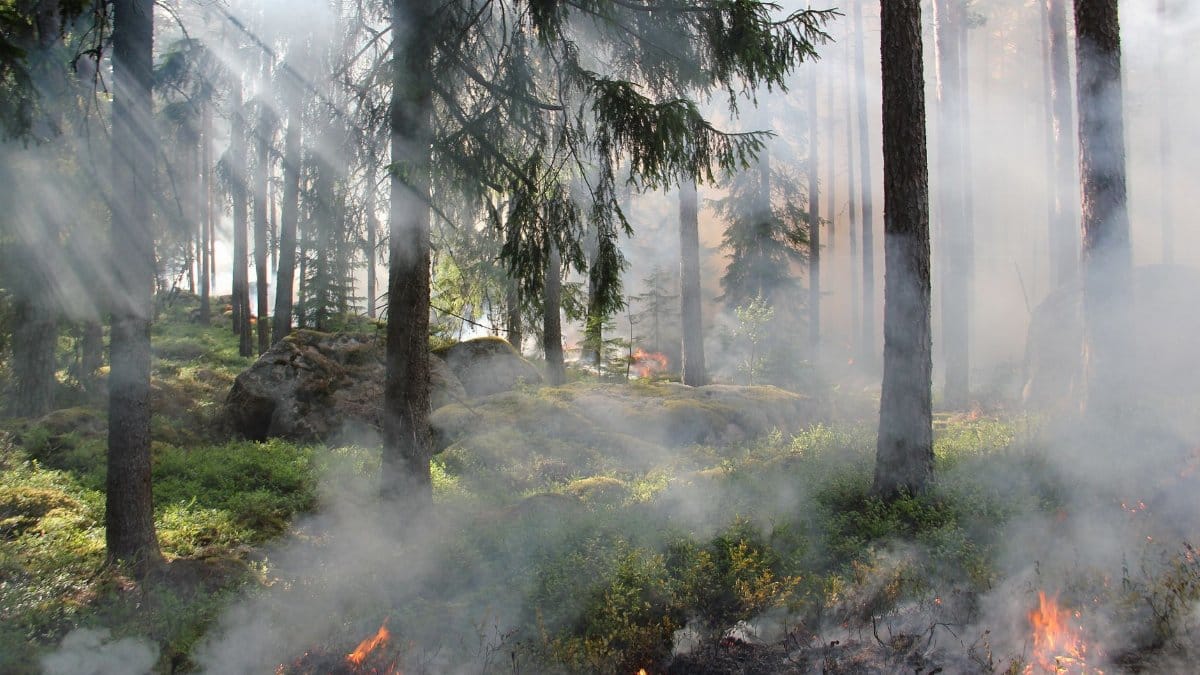
Planners look beyond immediate reopening to build resilience against future blazes. Controlled burns in select areas and improved trail networks for rapid response crews form part of broader plans. Collaboration with indigenous knowledge keepers adds valuable layers to these evolving approaches. BWCA reopening wildfires discussions continue to inform these strategies as officials balance access with preservation. The phrase BWCA reopening wildfires surfaces often in reports tracking progress toward safer conditions. Observers note that successful BWCA reopening wildfires management could set precedents for other protected regions facing similar threats. Continued monitoring will determine how soon full enjoyment of the wilderness returns.