
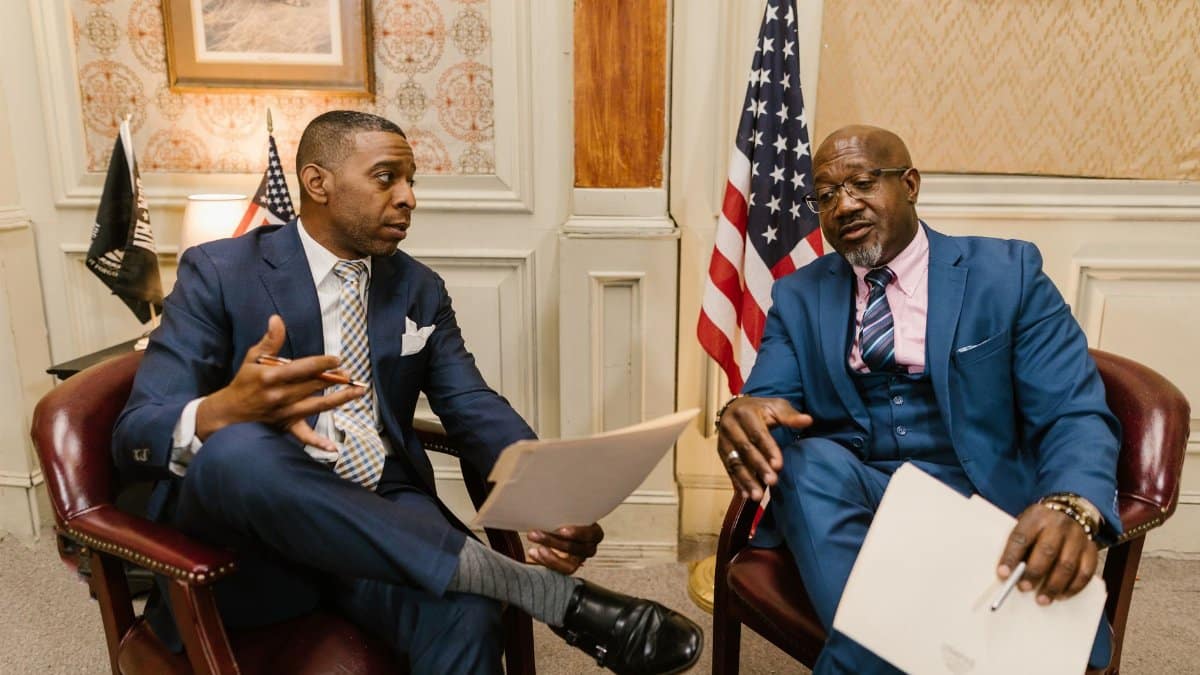
In the crowded chambers where Philadelphia lawmakers gather to shape the future of their city a sense of anticipation fills the air. Recent shifts in congressional representation have sparked conversations about who might next lead the mayors office. Philly Mayor Parker Rabb has emerged at the center of these talks given her established position and the patterns of voter support seen over decades.
Tracing the Path of Congressional Influence on City Hall
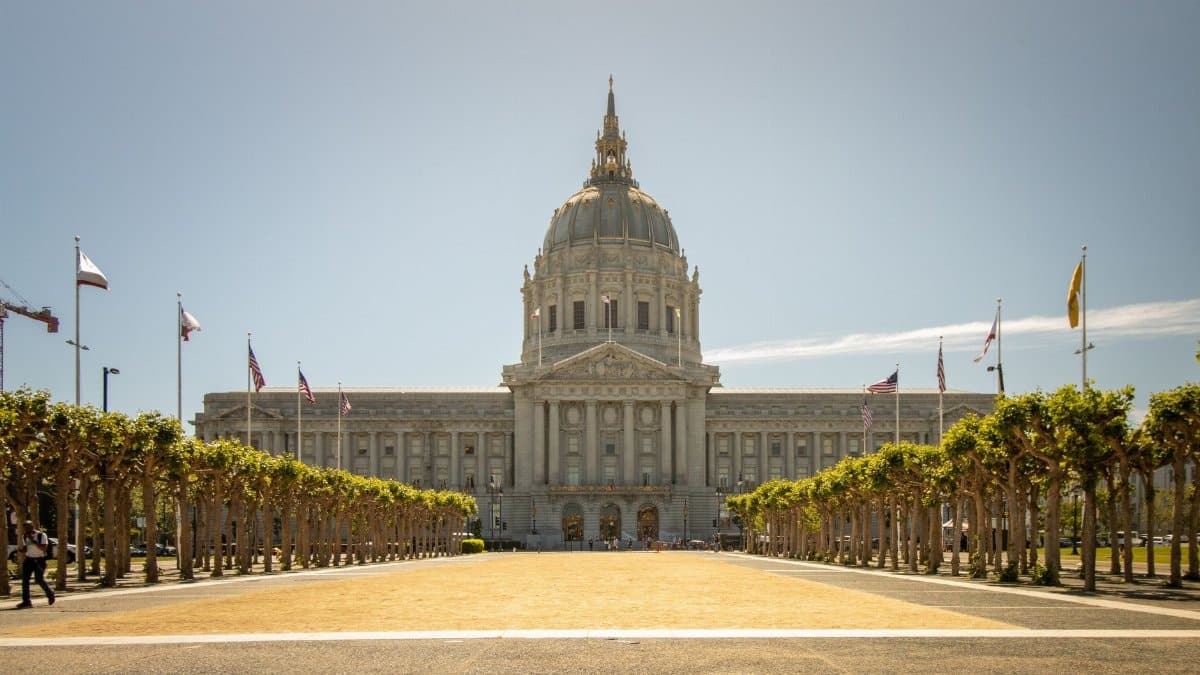
The success of Chris Rabb in a higher office has prompted some observers to consider fresh candidates for the mayoral post. This development arrives as local activists weigh options for the next cycle. Discussions often return to how one race can ripple through an entire municipal structure.
Reviewing the Record of Steady Governance
Philly Mayor Parker Rabb has overseen policies focused on public safety and neighborhood investment. Her approach draws from prior experience in council matters where incremental changes built broader backing. Supporters point to consistent turnout in past votes as evidence of durable appeal.
Understanding Progressive Strategies in Municipal Contests

Groups aligned with newer political currents see an opening after the congressional outcome. They aim to highlight issues such as housing costs and community programs. Yet translating national trends into local victories requires careful navigation of established voter bases.
Considering Historical Patterns in Reelection Outcomes
Philadelphia has shown a tendency toward continuity in leadership roles across many election periods. This pattern spans generations and reflects preferences for familiar figures amid changing national climates. Analysts note that such trends can favor incumbents even when challengers gain attention.
Evaluating Public Sentiment Through Recent Polling
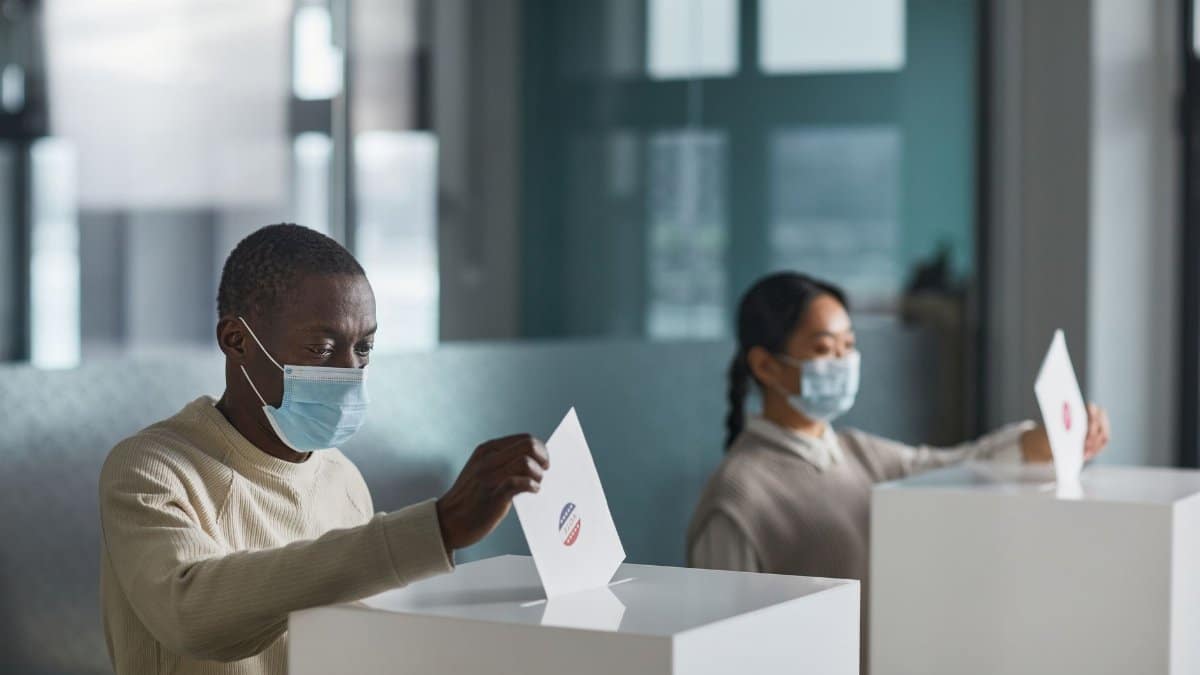
Surveys conducted in the region suggest mixed views on potential primary opponents. While some residents express interest in new voices others cite satisfaction with current directions on budget priorities. These findings help frame expectations ahead of formal announcements.
Assessing the Role of Community Organizations

Local groups play a part in mobilizing support during campaign seasons. Their efforts often center on door to door outreach and issue based forums. In this environment Philly Mayor Parker Rabb maintains connections formed through years of direct engagement.
Exploring Demographic Shifts and Voter Priorities
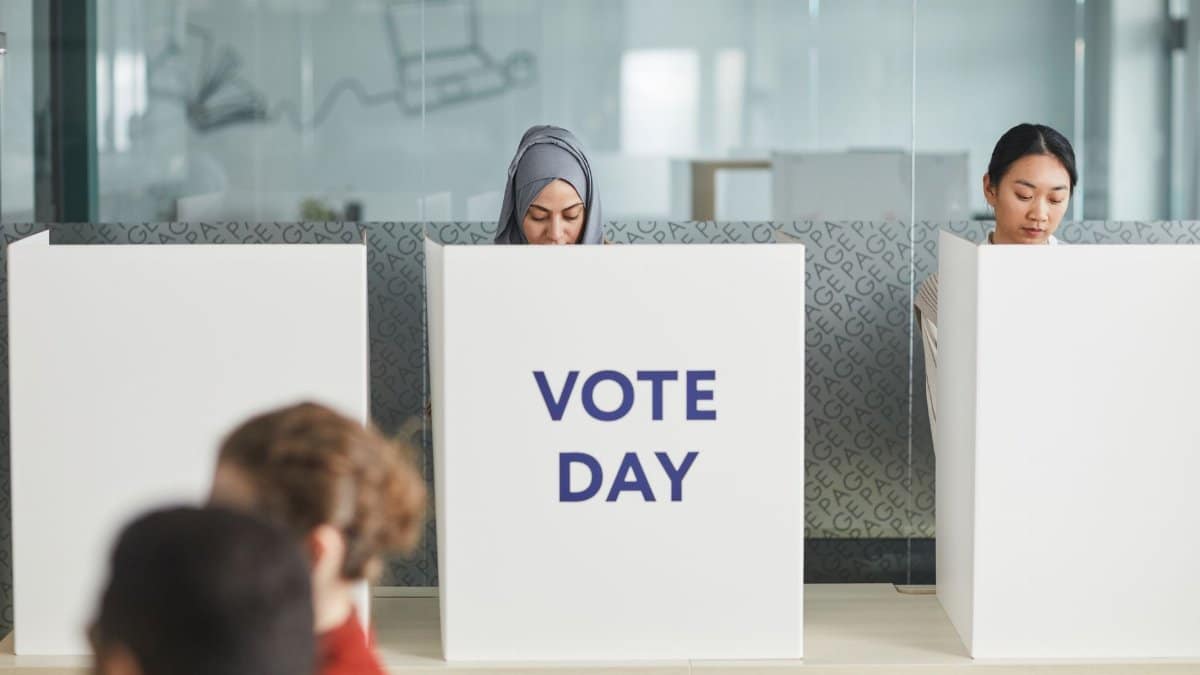
Changes in population composition across neighborhoods influence candidate messaging. Topics like education access and transit improvements surface regularly in resident feedback. Candidates must adapt to these evolving concerns to maintain broad coalitions.
Reflecting on Media Coverage of Emerging Races

News outlets have begun framing the contest around contrasts in experience and vision. Coverage tends to emphasize both opportunities for renewal and the weight of precedent. Balanced reporting helps readers weigh competing claims without undue emphasis on any single perspective.
Projecting Forward to Upcoming Campaign Cycles

With time remaining before the next primary attention turns to fundraising and platform development. Philly Mayor Parker Rabb appears positioned to draw on prior successes while addressing new challenges. Observers will watch how alliances form in the months ahead.
Placing Local Dynamics in a National Context
Municipal races sometimes mirror broader debates over direction within political movements. Philadelphia offers one example of how these tensions play out in practice. The interplay between established leaders and aspiring contenders reveals much about ongoing adaptations.