
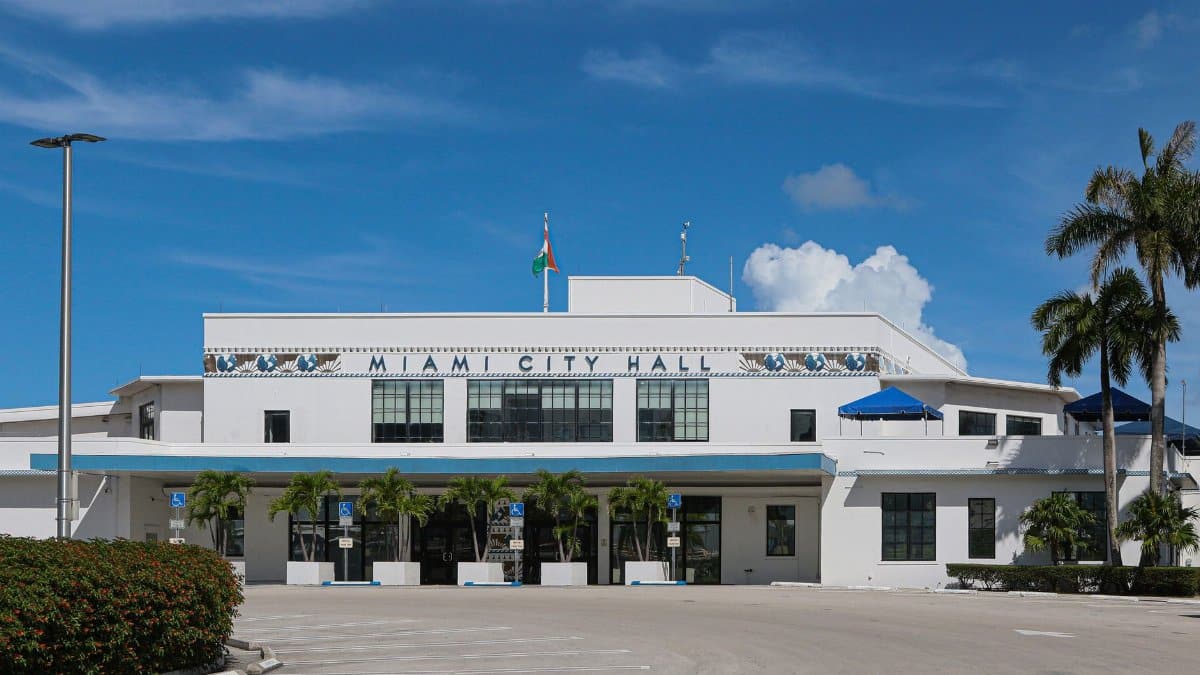
In a courtroom in Miami Dade County a judge recently issued a finding that has stirred debate among local residents and observers of municipal affairs. Three members of the North Miami city council were found to have crossed lines by exerting pressure on staff regarding a public works personnel decision. The episode places the North Miami charter under renewed examination as residents consider what the ruling could mean for elected leadership and possible removal proceedings.
The Court Finding Unpacked

The decision from the bench centers on actions taken by council members who contacted department leaders about an employment matter. Testimony showed repeated outreach that went beyond typical oversight and entered the realm of direct influence. Legal experts note such conduct can conflict with the separation of powers outlined in local governing documents. The judge emphasized that council authority does not extend to day to day operational choices.
Reactions from City Residents

People living in North Miami have expressed a mix of surprise and concern over the events. Some describe the ruling as a needed reminder that public servants must stay within defined roles. Others worry the case could distract from ongoing city projects and budget priorities. Community meetings have featured discussions about transparency and how residents can stay informed on similar issues.
Details on the Public Works Matter

The underlying personnel issue involved an employee in the public works division whose status became the subject of council interest. Records indicate the communications occurred over several weeks and included requests for updates and suggested outcomes. City attorneys reviewed the exchanges and concluded they violated internal protocols. The judge agreed that the pattern amounted to improper intervention.
Possible Paths Toward Removal

With the violation established the next question involves whether the three members face formal removal. The North Miami charter contains provisions for addressing misconduct by elected officials yet the process requires additional steps including council votes or petitions. Observers point out that removal remains uncommon and often depends on political will. Legal analysts suggest the matter could linger for months before any final resolution.
Broader Lessons for Municipal Governance

This case offers a window into the delicate balance between legislative oversight and administrative independence. Many cities operate under charters that seek to prevent exactly the type of pressure described in the ruling. When boundaries blur public trust can erode and staff morale may suffer. North Miami now joins a list of communities that have revisited their North Miami charter language in light of similar disputes.
Comparisons With Nearby Cities

Neighboring municipalities have faced parallel questions about council conduct and employee relations. In some instances ethics panels issued warnings while others pursued charter amendments to clarify limits. North Miami leaders may look to those examples as they chart a response. The shared theme remains the importance of written rules that protect both elected authority and professional administration.
Next Steps for the Council

Council leadership has not announced immediate actions beyond acknowledging the judge ruling. Future agendas could include training sessions on proper communication channels and reviews of existing policies. Some members have called for an independent examination to prevent recurrence. Residents continue to monitor statements from city hall for signs of how the body intends to move forward.