
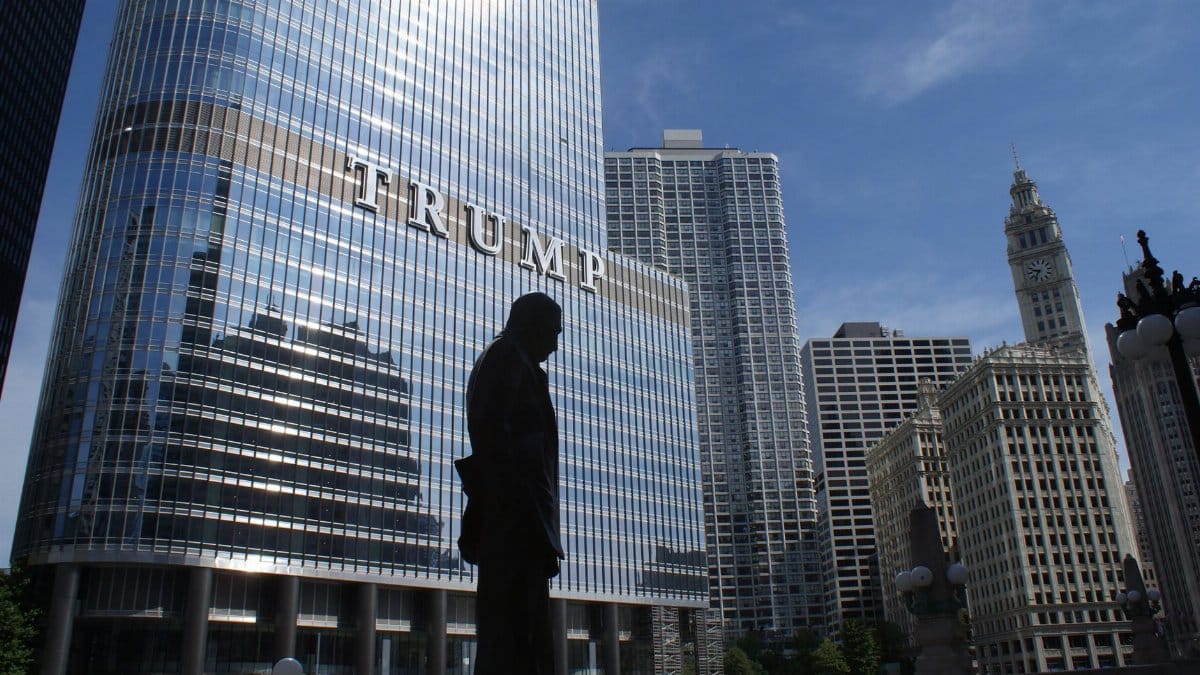
Illinois Governor JB Pritzker launched a statewide effort to reach voters in every corner of the state. The tour comes at a time when economic pressures and federal decisions weigh heavily on local communities. With the JB Pritzker campaign bus tour Illinois now underway the governor has taken direct aim at President Trump for what he describes as neglect of important state needs. This approach allows him to highlight his record while looking ahead to the November election. Crowds gathered early in Chicago to hear his message on jobs and infrastructure.
Initial Stops Highlight Urban Concerns
Residents in Chicago neighborhoods greeted the governor with questions about rising costs for housing and transportation. Pritzker pointed to state investments in public transit as a counter to federal spending cuts. He urged attendees to consider how local policies can shield families from broader economic shifts. Community leaders joined the discussion noting improved access to training programs funded at the state level.
Route Extends Into Suburban Regions
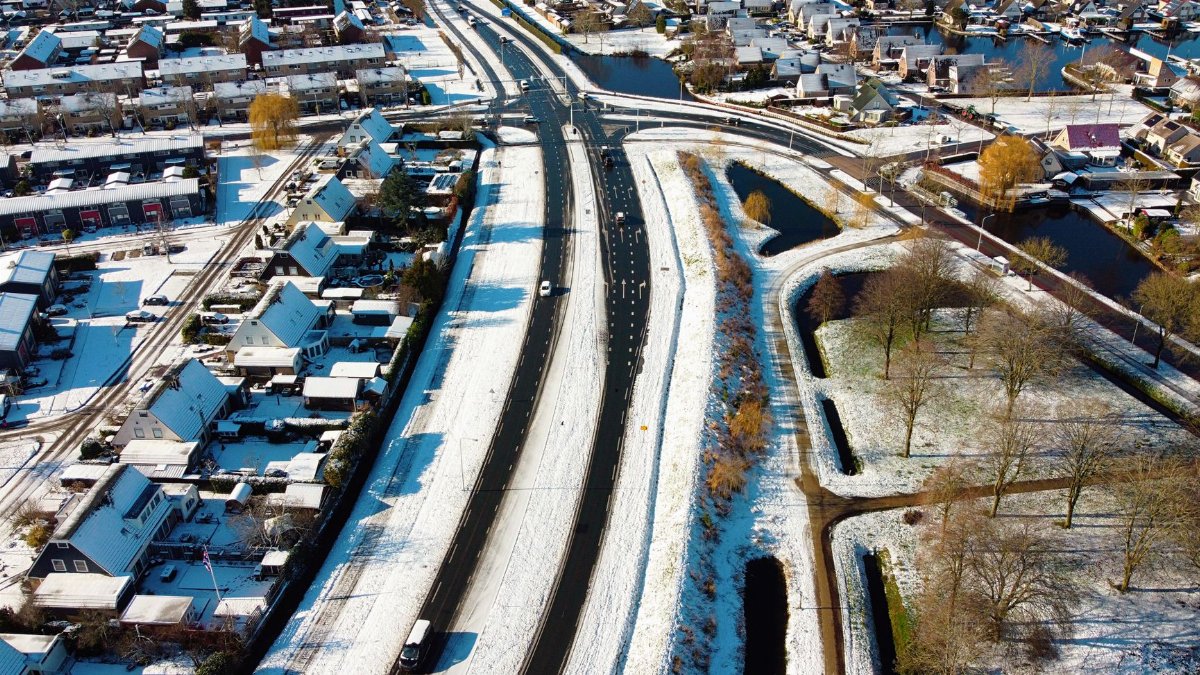
From city limits the tour moved outward to suburbs where families spoke about school funding and property taxes. Pritzker met with small business owners who shared stories of adapting to supply chain disruptions. He emphasized state grants that have supported local manufacturers during recent challenges. Discussions turned to plans for expanding broadband access in growing areas.
Rural Communities Voice Infrastructure Needs
Further along the path the governor visited towns where agriculture remains central to daily life. Farmers described difficulties with equipment costs and market access. Pritzker responded by outlining state efforts to improve roads and bridges that connect rural producers to larger markets. Local officials welcomed the attention to long delayed projects.
Messages Center on Federal Policy Impacts
Throughout each stop Pritzker returned to the theme of Washington decisions affecting Illinois residents. He cited examples of delayed aid for public health and education. Attendees listened as he contrasted those moves with state level responses that preserved key services. The narrative framed the contest as one of protecting local priorities against outside interference.
Supporters Gather at Evening Events
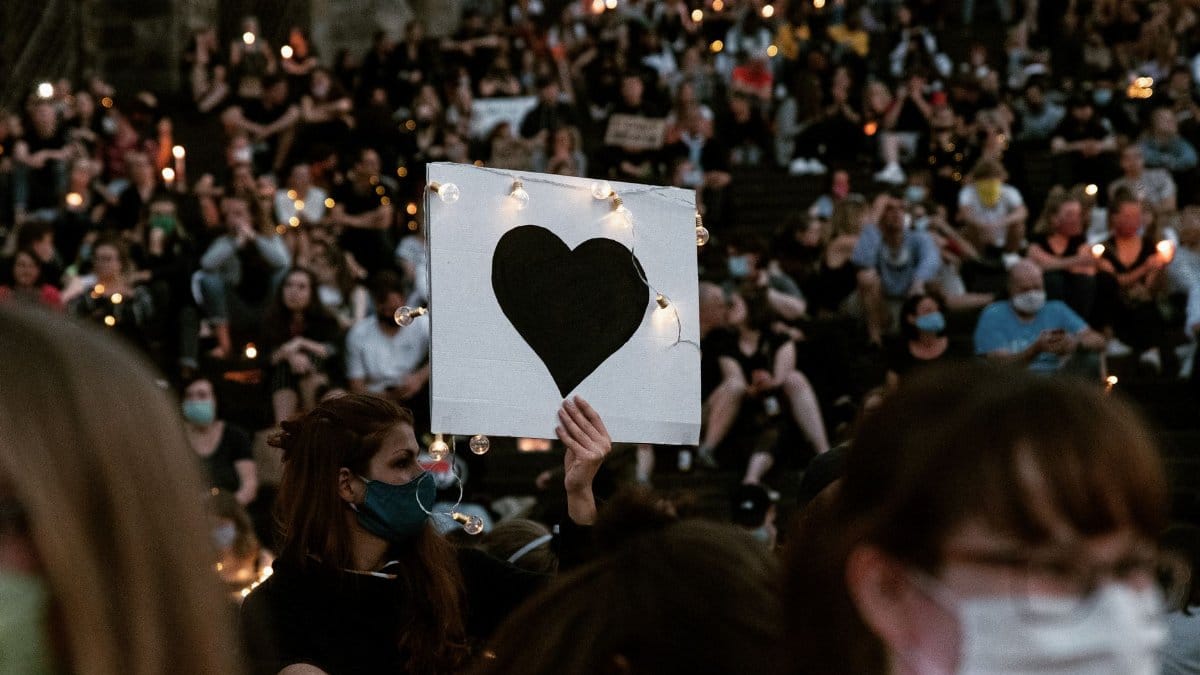
As daylight faded volunteers organized gatherings where music and food accompanied political remarks. Pritzker thanked early backers and introduced candidates for lower offices on the same ballot. Conversations continued into the night with participants exchanging contact information for future canvassing. Energy remained high despite the long day of travel.
Critics Question Timing and Focus
Opponents have noted that the tour arrives amid ongoing budget negotiations in the capital. Some argue that Pritzker should spend more time addressing immediate legislative matters rather than traveling. Others point to his own past statements on federal cooperation as inconsistent with current criticism. The exchanges reflect a familiar divide in state politics.
Media Coverage Tracks Daily Progress
Local outlets have followed the bus with reports on attendance figures and key quotes from each location. Reporters noted consistent themes across audiences while capturing variations in regional priorities. Pritzker granted interviews during brief breaks between events. Coverage has also examined logistics of moving a large group across hundreds of miles.
Future Segments Target Additional Districts
Plans call for continued movement through central and southern portions of Illinois in the coming weeks. Organizers expect larger venues as word spreads. The schedule includes forums focused on health care access and workforce development. Pritzker has indicated he will adjust remarks based on feedback gathered along the way.
Overall Strategy Seeks Broad Voter Connection
By the end of the JB Pritzker campaign bus tour Illinois the campaign hopes to have visited every major media market. Staff members track engagement metrics from social media posts and sign up sheets. The effort aims to build momentum ahead of early voting periods. Observers will watch whether the personal appearances translate into higher turnout numbers.