
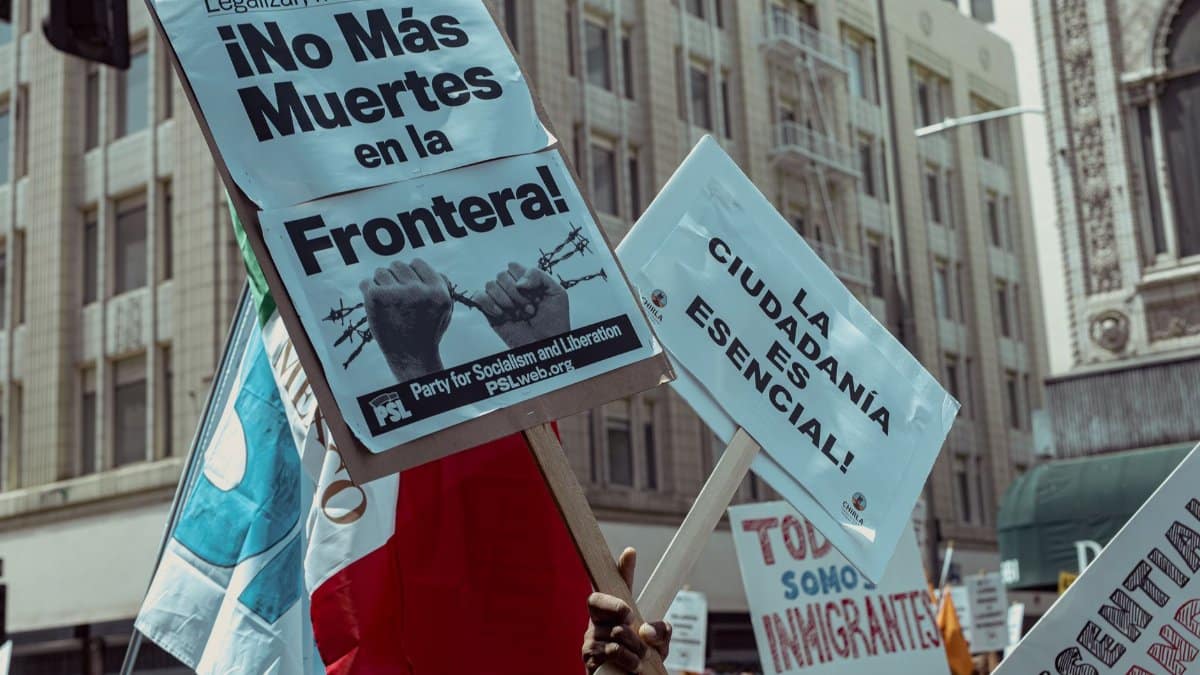
In the bustling maternity ward of a Miami hospital a newborn wrapped in a soft blanket represents more than a new life for one family. The arrival also highlights ongoing tensions over who qualifies as an American citizen from the moment of birth. President Trump signed executive actions on August 6 2026 that seek to limit birthright citizenship while also addressing birth tourism practices.
Historical Roots of American Citizenship Practices

The concept traces back to the fourteenth amendment adopted after the Civil War. Lawmakers at that time aimed to secure rights for formerly enslaved people and their descendants. Over the decades courts interpreted the clause to grant citizenship to nearly all children born on United States soil regardless of parental status. This approach created a clear standard yet also invited scrutiny during periods of high immigration.
Core Elements of the August 2026 Executive Actions

The recent orders direct federal agencies to review birthright citizenship claims more closely in cases involving parents who lack permanent legal status. Officials must also develop new procedures to discourage visitors who arrive primarily to give birth and secure citizenship for their children. Implementation will require coordination among immigration services and state vital records offices across the country.
Impacts Felt by Mixed Status Families

Households where one parent holds citizenship and the other does not now face uncertainty about future documentation for their children. Some parents report delaying travel plans or medical appointments while they await clarification from authorities. Community organizations have begun offering informational sessions to explain possible changes in how birth certificates are processed.
Views from Legal Scholars and Policy Experts

Constitutional scholars remain divided on whether executive orders alone can alter long standing interpretations of the fourteenth amendment. Several law professors argue that any meaningful shift would require legislation or a Supreme Court ruling. Others note that previous administrations adjusted enforcement priorities without rewriting the underlying legal framework.
International Reactions and Diplomatic Considerations

Governments in Asia and Latin America have expressed concern that the policy could strain relations with countries that send many expectant travelers to the United States. Diplomatic cables obtained by reporters suggest discussions about reciprocal travel restrictions or revised visa categories. American embassies abroad are preparing guidance for citizens who may encounter new questions at foreign borders.
Economic Dimensions of Birth Tourism Trends

Hotels and medical facilities in several major cities have built specialized packages around maternity services for international clients. Industry analysts estimate that such services generate hundreds of millions of dollars annually. The new restrictions could redirect that revenue toward other destinations while prompting hospitals to revise marketing approaches and compliance protocols.
Ethical Questions Surrounding Family and Belonging

Faith leaders from various traditions have weighed in on the moral dimensions of citizenship policy. Some emphasize the importance of stable family units and the spiritual value of providing children with clear national identity. Others highlight teachings about welcoming the stranger and the responsibilities nations hold toward vulnerable populations regardless of legal status.
Potential Pathways Through Congress and the Courts
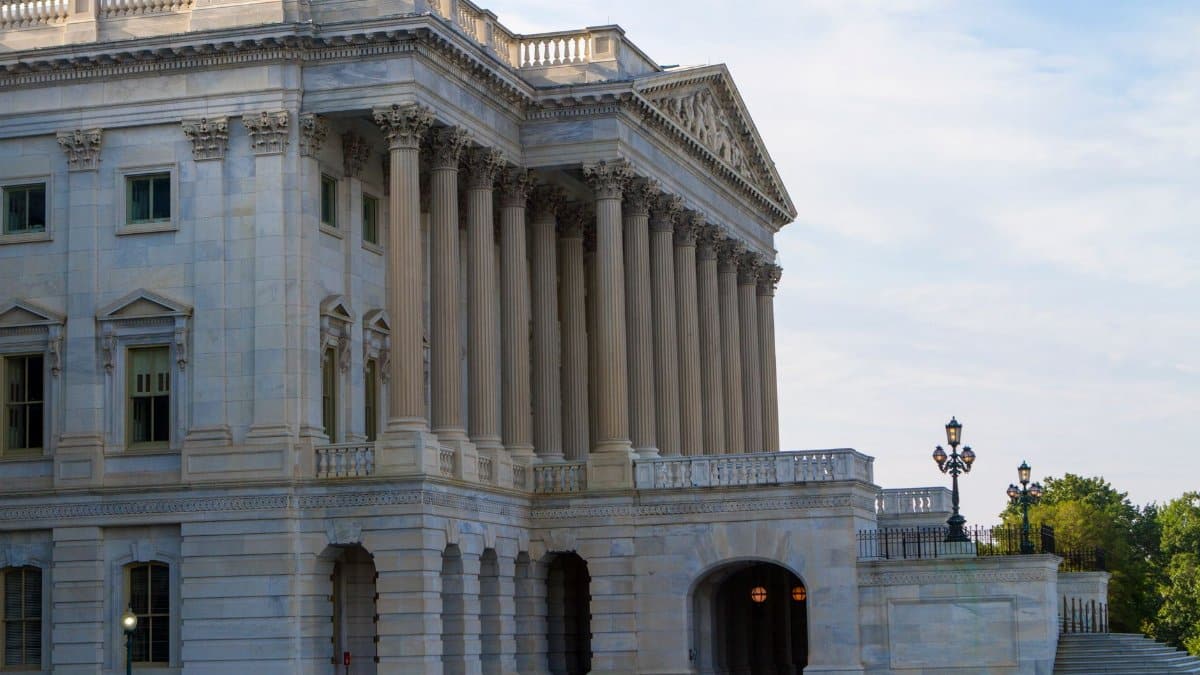
Legislative proposals that would codify or modify the executive actions are already circulating in both chambers. Lawmakers expect lengthy hearings and amendments before any bill reaches the presidents desk. Meanwhile advocacy groups on multiple sides have filed suits arguing that the orders either exceed executive authority or fail to go far enough in protecting national sovereignty.
Looking Ahead at Demographic and Cultural Shifts

Population researchers project that tighter rules on birthright citizenship could gradually alter the composition of future generations. Schools and social service agencies may need to adapt record keeping systems and support programs. Public discourse will likely continue as communities adjust to evolving definitions of membership in the national family.