
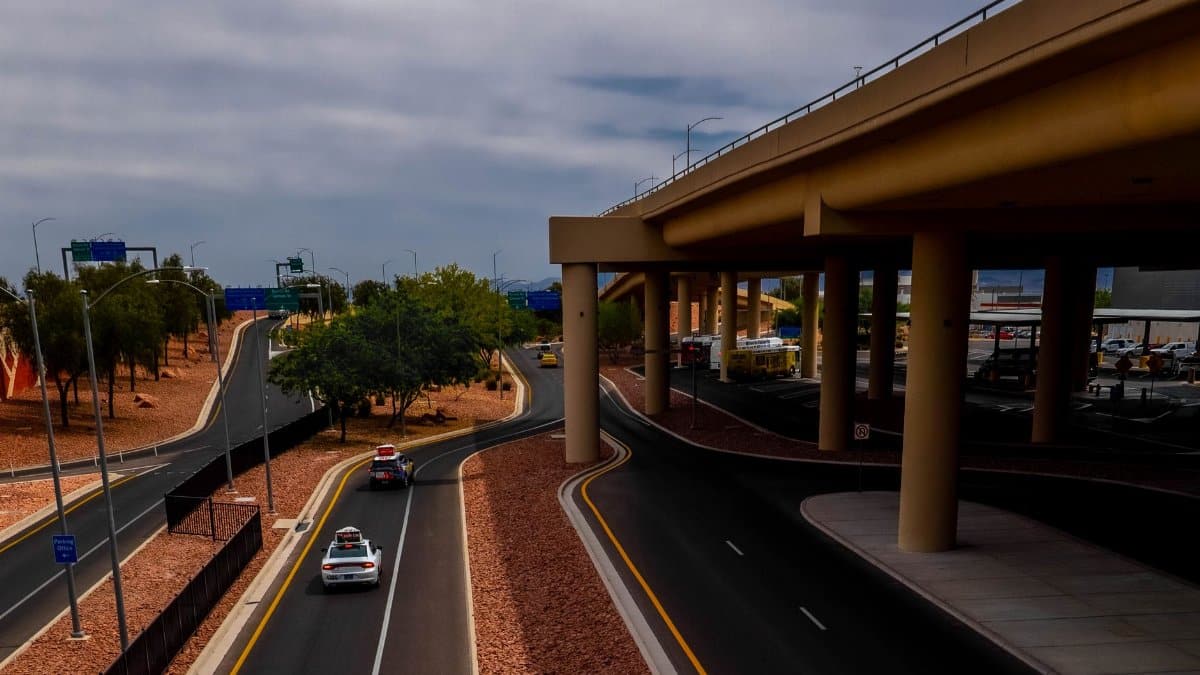
Drivers across the Phoenix metro region found themselves navigating unexpected obstacles last weekend when pavement repairs combined with monsoon activity to produce multiple Phoenix freeway closures. The disruptions arrived at a time when many residents were already adjusting to seasonal weather patterns that often bring sudden heavy rain and reduced visibility on major routes. Officials noted that several key corridors required temporary shutdowns for safety reasons while crews addressed both scheduled maintenance and storm related damage. This convergence of events left commuters searching for alternate paths and wondering how such situations might be better anticipated in the future. The experience highlighted ongoing challenges in balancing infrastructure needs with the demands of a growing urban population that relies heavily on efficient highway access.
Background on the Weekend Disruptions
State transportation departments had planned several pavement projects well in advance yet the arrival of strong storms forced adjustments to timelines. Crews worked through overnight hours in some locations to minimize daytime impacts though full closures still proved unavoidable on segments of major arteries. Motorists reported delays stretching into hours as traffic shifted onto surface streets already strained by additional volume.
Weather Patterns and Their Role

Monsoon activity brought brief but intense downpours that created standing water in construction zones and raised concerns about lane stability. Forecasters had issued warnings days earlier yet the precise locations of heaviest rainfall remained difficult to predict with complete accuracy. As a result some work sites required immediate evacuation of equipment to prevent loss or damage.
Effects on Local Businesses

Retail outlets and restaurants near affected corridors noticed drops in customer traffic as potential patrons avoided the area entirely. Delivery services experienced longer routes and higher fuel costs that were eventually passed along in certain cases. Owners described the weekend as a reminder of how interconnected transportation reliability remains with everyday commerce.
Public Transit as an Alternative
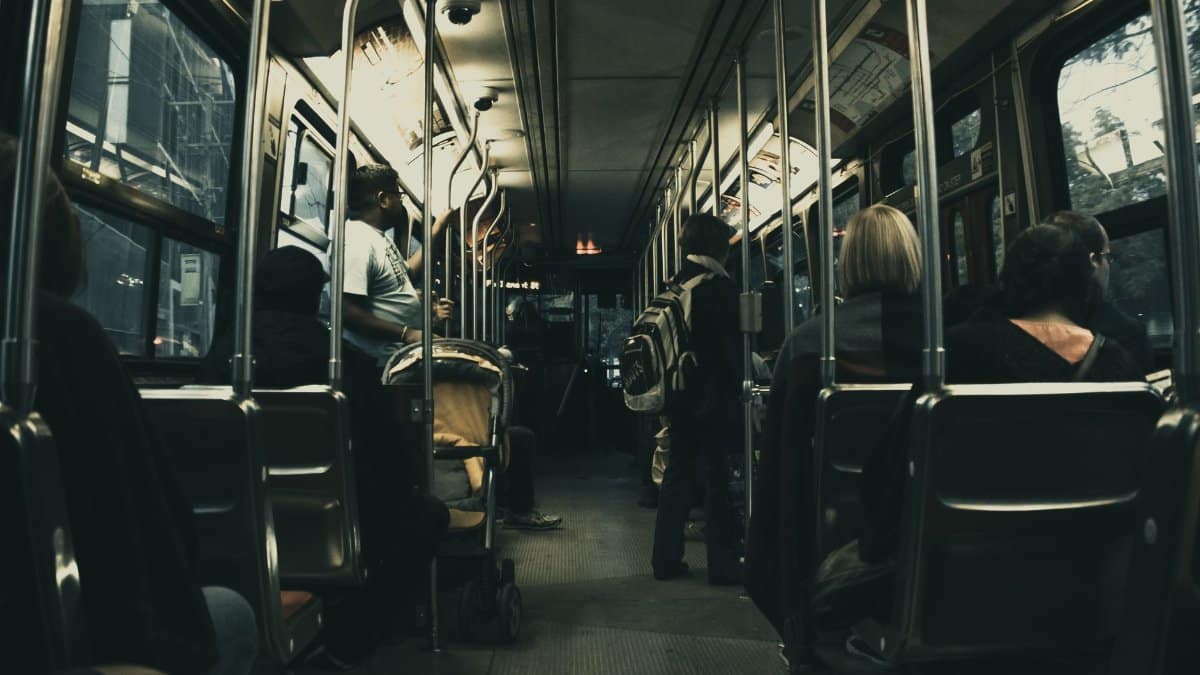
Bus and light rail systems saw modest increases in ridership during the affected period though capacity limits prevented a full shift away from personal vehicles. Agency representatives encouraged greater use of these options during future events yet acknowledged that many routes still depend on the same freeways facing restrictions. Expanded park and ride facilities received renewed attention as one possible improvement.
Resident Reactions and Stories

Longtime Phoenix area inhabitants recalled similar incidents from previous years and expressed frustration over recurring patterns. Some families altered weekend plans entirely while others turned the experience into an opportunity to explore lesser used neighborhood roads. Community forums filled with suggestions for better advance notice through mobile alerts and variable message signs.
Safety Measures During Closures
Law enforcement increased patrols around work zones to manage flow and respond quickly to any incidents. Temporary barriers and signage guided drivers toward open exits though confusion still arose in spots where storm debris obscured markings. Officials credited these steps with preventing more serious accidents despite the challenging conditions.
Longterm Infrastructure Considerations
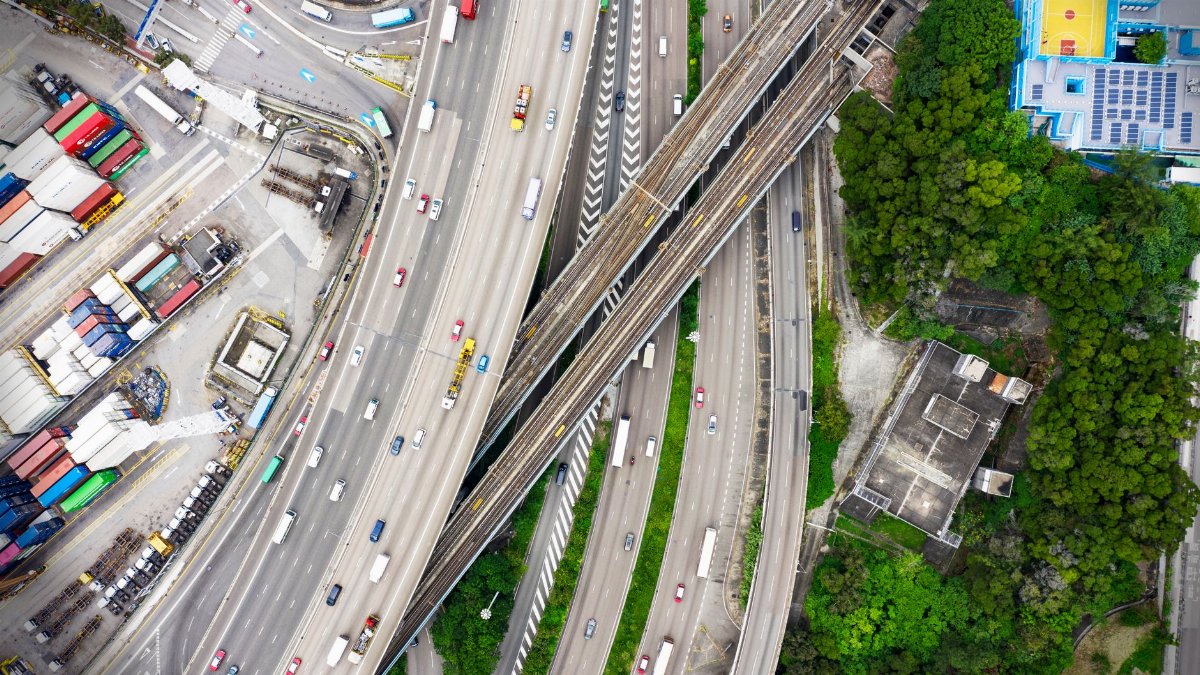
Planners continue to evaluate how accelerated repair schedules and climate resilient materials might reduce future conflicts between maintenance and weather events. Funding discussions at both state and federal levels often center on these very issues as population growth adds pressure to existing networks. Public input sessions have been scheduled to gather additional perspectives on priority projects.
Looking Ahead to Upcoming Seasons

With summer storms expected to continue authorities are reviewing communication protocols to provide clearer guidance before disruptions occur. Coordination between weather services and transportation teams aims to allow more flexible scheduling of nonemergency work. Residents are advised to monitor official channels regularly and consider flexible departure times during peak risk periods.