

As summer temperatures climb across Philadelphia, brick rowhouses absorb sunlight throughout the day and release that stored warmth long after sunset. This pattern creates conditions where overnight relief stays out of reach for many households. The result has drawn increasing attention from health experts who now track what they call Philly Dangerous Hot Nights with growing urgency. City data shows these evenings contribute to higher rates of heat exhaustion and other medical issues, especially among older adults and families without air conditioning. Local hospitals report more admissions during stretches when daytime highs fail to drop below eighty five degrees after dark.
Rowhouse Design Traps Warmth Overnight
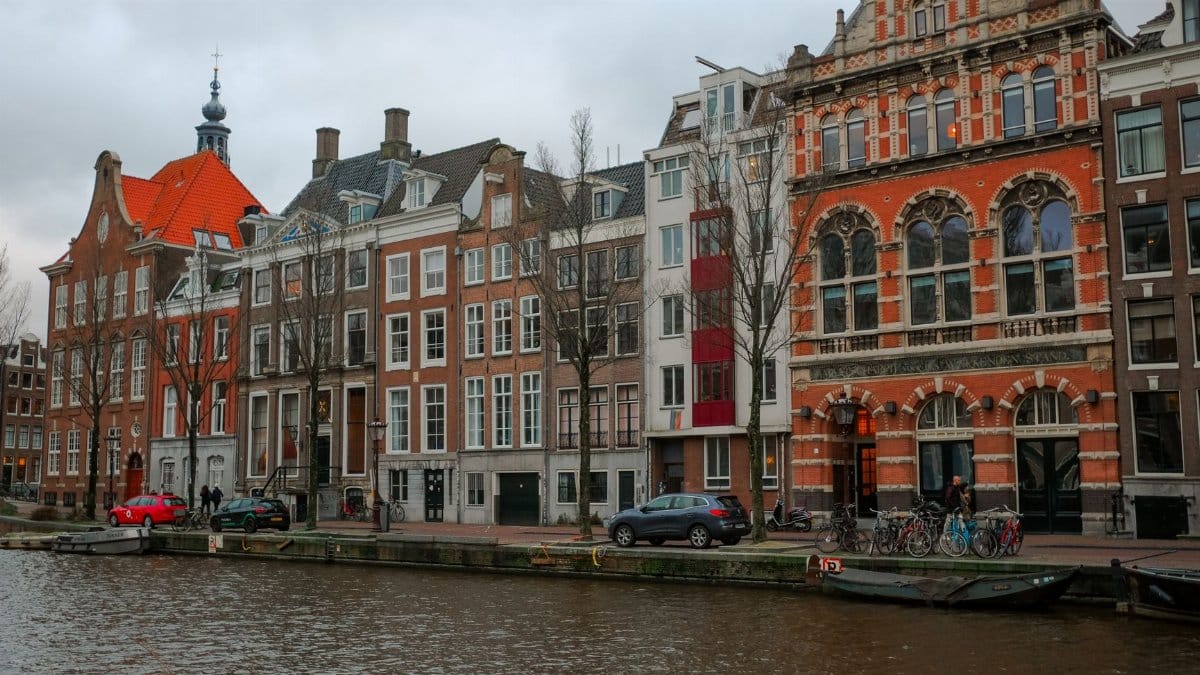
Philadelphia rowhouses feature thick brick walls and narrow layouts that hold heat well into the night. Without adequate ventilation many interiors stay above seventy eight degrees even at two in the morning. Residents describe opening windows only to pull in warmer air from nearby asphalt and concrete. Public health workers have begun mapping these buildings to identify blocks most vulnerable during extended warm spells.
Health Risks Rise When Sleep Suffers

Poor sleep from elevated overnight temperatures weakens the immune system and raises blood pressure over time. Studies from urban health departments link repeated exposure to such conditions with increased cardiovascular strain. Emergency room visits for related symptoms climb during July sequences when the city records multiple consecutive nights above the danger threshold. Families with young children or elderly members face added challenges in finding cooler spaces within crowded homes.
City Programs Target Vulnerable Neighborhoods

Philadelphia officials have expanded cooling center access and distributed free fans to qualifying households in high risk areas. Outreach teams visit senior centers and community groups to share tips on recognizing early signs of heat stress. Some districts now test reflective roof coatings that reduce heat absorption during peak daylight hours. These steps aim to lower the cumulative impact of Philly Dangerous Hot Nights across diverse populations.
Climate Trends Extend Warm Periods

Longer stretches of above average temperatures have become more common in recent decades according to regional weather records. What once counted as an unusual heat wave now occurs with greater frequency and duration. Meteorologists note that humidity levels compound the effect by limiting the bodys natural cooling through evaporation. Projections suggest further increases in the number of nights that fail to provide adequate recovery time.
Community Responses Build Local Resilience

Neighborhood associations organize evening checks on isolated residents and share battery powered lights for safer movement after dark. Libraries and recreation centers extend hours during forecast warm periods to offer air conditioned gathering spots. Volunteers deliver water and light snacks to those who cannot easily leave their homes. Such grassroots efforts complement official city measures and foster stronger social connections.
Personal Stories Highlight Daily Strain

One longtime South Philadelphia resident described moving a mattress to the basement floor each July in search of cooler air. Another family in West Philadelphia rotates shifts sleeping near a single window unit while others wait their turn. These accounts illustrate how routine household decisions shift under persistent overnight warmth. Stories like these reach local leaders through town hall meetings and shape priorities for future infrastructure upgrades.
Future Planning Addresses Infrastructure Gaps
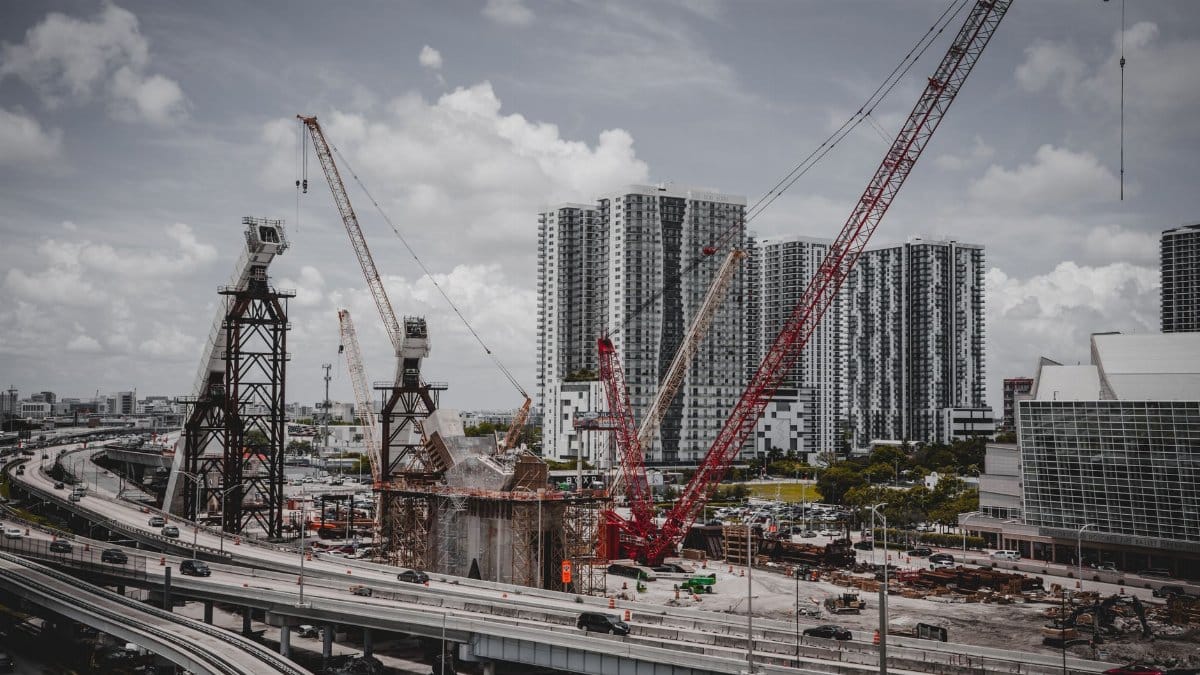
Urban planners examine ways to increase tree cover and create small pocket parks that promote airflow between buildings. Building code updates may require better insulation and passive cooling features in new construction or major renovations. Partnerships with utility companies explore incentives for energy efficient upgrades that reduce overall demand during peak summer months. Coordinated action across agencies seeks to lower the frequency and severity of Philly Dangerous Hot Nights in coming years.