
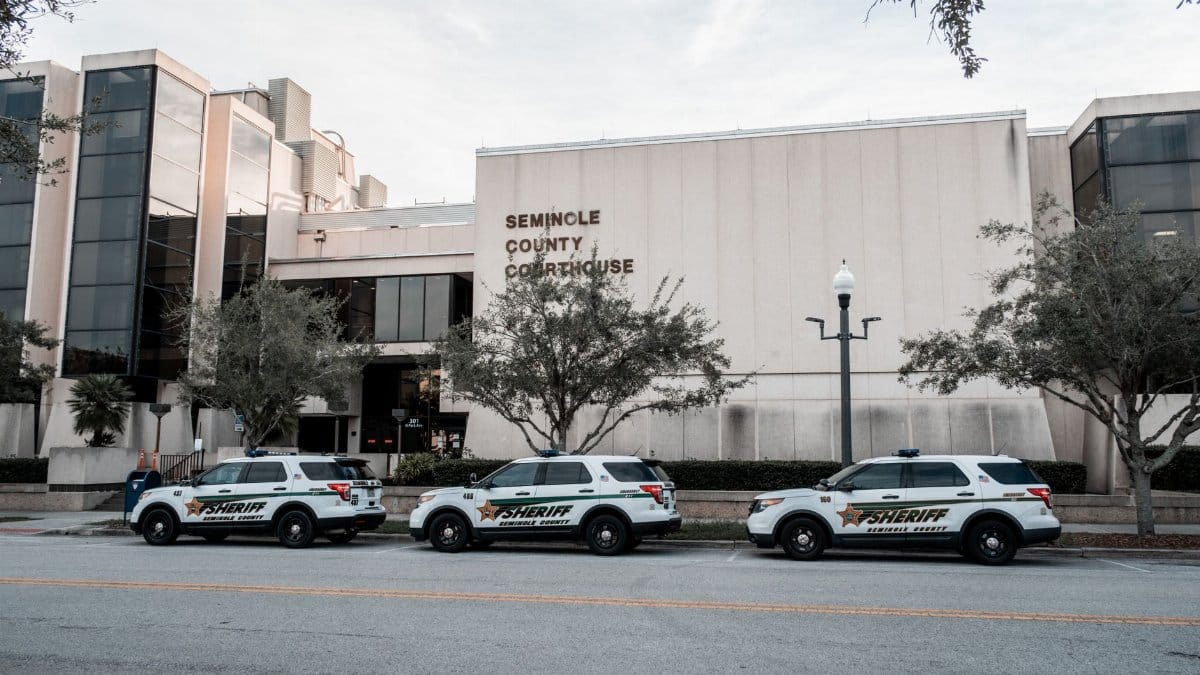
Philadelphia has seen shifts in its public safety apparatus that invite closer attention to how authority is exercised at the county level. The arrival of new officials in the sheriff office comes at a moment when questions of accountability and service delivery intersect with everyday concerns of residents across neighborhoods. In this setting Sheriff Leadership emerges as a central factor shaping both operational decisions and public trust. Observers note that the office carries responsibilities ranging from court security to inmate transport, all of which affect the daily rhythms of civic life.
Background on the Philadelphia Sheriff Office

The sheriff office in Philadelphia operates as an independently elected agency with a long record of managing courthouse functions and related duties. Recent leadership transitions have drawn interest because they coincide with broader administrative adjustments at City Hall. New appointees bring varied professional histories, some from within law enforcement circles and others from municipal administration. Their combined experience is expected to influence how resources are allocated and how staff interact with the public during routine proceedings.
Profiles of the Newly Appointed Officials

Among the individuals stepping into senior roles are career deputies who advanced through internal ranks as well as professionals recruited from outside agencies. One newcomer previously oversaw logistics for a neighboring county court system. Another spent time coordinating community outreach programs for a nonprofit legal aid group. These backgrounds suggest an intent to blend operational knowledge with fresh approaches to service. Colleagues describe the group as collaborative, though they acknowledge that integration will require time.
Core Elements of Sheriff Leadership

Sheriff Leadership involves balancing statutory obligations with the need to maintain legitimacy among residents who encounter the system. Effective practice in this area often centers on clear communication, consistent training standards, and measured responses to incidents inside court facilities. The new team has signaled interest in reviewing existing protocols for use of force and for handling individuals in mental health distress. Such reviews typically involve input from line staff as well as external advisors.
Community Relations and Public Confidence

Public perception of the sheriff office rests partly on visible efforts to explain its functions beyond the courthouse walls. Past administrations hosted informational sessions in libraries and recreation centers, a practice the incoming officials have indicated they intend to continue. These gatherings allow residents to ask about warrant procedures or civil process services without needing to visit downtown offices. Sustained outreach of this kind can reduce misunderstandings that sometimes escalate into larger disputes.
Operational Adjustments Under New Direction

Day to day management of inmate movement and court security requires precise coordination with city police and state agencies. The recent appointments have prompted internal audits of scheduling and vehicle maintenance routines. Early indications point to modest reallocations aimed at reducing overtime costs while preserving coverage during peak court hours. Staff members have been invited to submit suggestions through an anonymous portal, a step intended to surface practical improvements from those closest to the work.
Training and Professional Development Priorities

Leadership development within the office has historically relied on on the job experience supplemented by occasional external seminars. The current group plans to expand access to courses on de escalation and cultural awareness offered by regional training consortia. Participation will be tracked through a revised performance review process that emphasizes both technical skill and interpersonal conduct. Observers expect these changes to influence promotion patterns over the next several years.
Financial and Resource Considerations

Budget discussions at the municipal level directly affect staffing levels and equipment purchases for the sheriff office. The new officials have begun meeting with council members to outline capital needs, including upgrades to aging transport vehicles and improvements to holding areas. Funding requests are framed around risk reduction and compliance with evolving state standards rather than expansion of scope. Early conversations suggest a measured approach that acknowledges competing demands on city revenues.
Looking Forward for Local Governance

The period ahead will test how the refreshed leadership team translates stated intentions into measurable outcomes. Success will likely be judged by metrics such as incident rates inside facilities, timeliness of civil process service, and feedback collected through periodic resident surveys. External monitoring by civic organizations and the press will provide additional context. Ultimately the quality of Sheriff Leadership will be reflected in the steadiness with which the office fulfills its defined responsibilities amid ongoing urban change.