
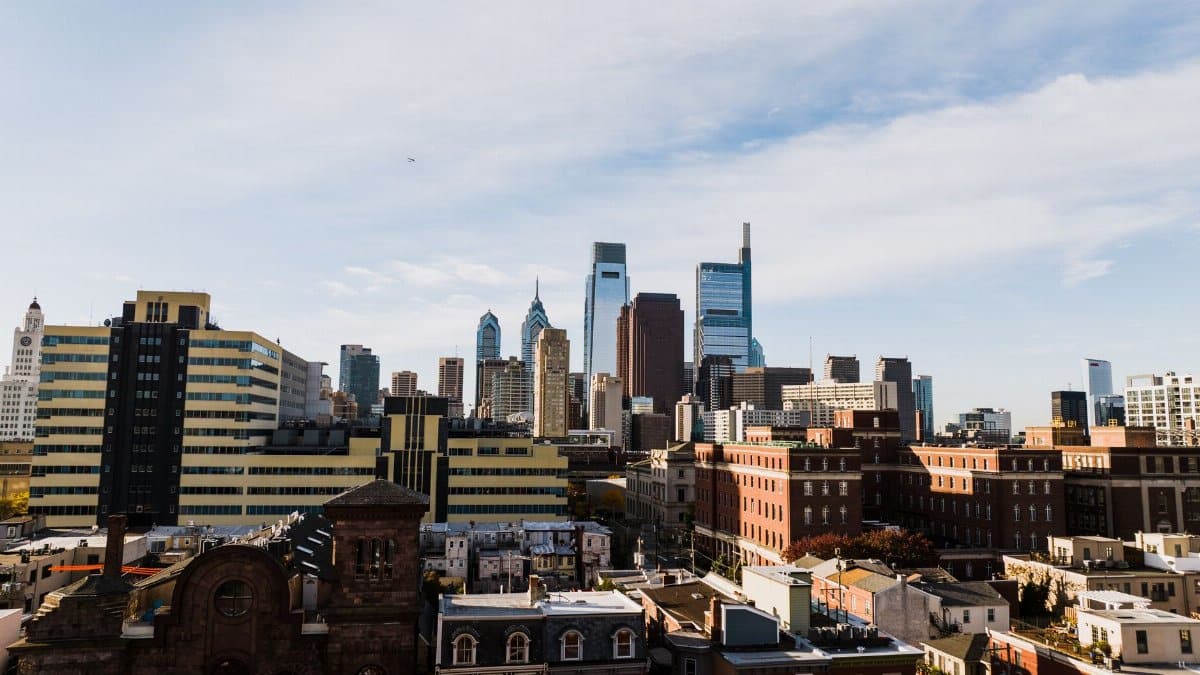
On a Saturday morning in South Philadelphia, the produce crates still arrive before dawn, but the line at the register does not. Shopkeepers talk about quieter aisles, shorter shifts, and customers who used to come weekly and now send a relative or stay home. A University of Pennsylvania analysis has put a number on that absence, describing an ICE tax Philadelphia businesses absorbed when immigration enforcement intensified and ordinary spending pulled back. The loss is not a levy printed on a receipt. It is a chill that moves through checkout lines, payrolls, and city tax collections.
What the Penn finding actually says
The Inquirer reported that a University of Pennsylvania professor found the city lost $811 million in sales tied to heightened Immigration and Customs Enforcement activity. The same account, drawing on the research, also cited a steep drop in store visits. Readers can review the news report at the Philadelphia Inquirer. The phrase researchers and local observers have used, an enforcement tax, is a metaphor for foregone commerce, not a line item in the municipal code.
That distinction matters. A formal tax is debated, voted, and collected in public. This cost arrives sideways. People change routes, skip errands, and delay purchases that are not urgent. The money does not move to a different register inside the city. Much of it simply does not get spent.
How fear rewrites a shopping list

Economists have long known that perceived risk changes behavior even when the risk is unevenly distributed. A household does not need a warrant at its own door to alter a Saturday. News of arrests near a transit hub, a workplace, or a neighborhood corridor can be enough. Groceries become a calculation. A parent may combine trips, avoid peak hours, or ask someone with clearer legal status to handle the errand.
Those choices are rational from the kitchen table and costly from the storefront. Fresh food spoils. Impulse buys disappear. Services that depend on an appointment, from haircuts to tax preparation to dental cleanings, lose the casual volume that keeps a small firm solvent. The ICE tax Philadelphia merchants describe is often this pattern repeated across thousands of households, not a single dramatic shutdown.
Store visits are the quiet half of the story

Sales figures grab headlines because dollars are easy to compare with budgets and bond ratings. Visits tell a different story. A lost visit is a lost conversation, a lost chance to notice a sale sign, a lost habit. Habits are how neighborhood retail survives thin margins. When visits fall, even customers who still spend may spend less often, and the shop loses the rhythm that lets an owner schedule staff.
The reported decline in visits associated with the Penn work is large enough to matter beyond immigrant owned firms. A corridor is an ecosystem. The bakery next to a remittance shop, the pharmacy beside a church, the lunch counter that feeds construction crews all share the same foot traffic. When one group stays home, the whole block feels thinner.
Who pays first on the commercial strip
The first payers are rarely the largest chains. National retailers can shift inventory and absorb a soft quarter. A family market with a narrow lease and a payroll of cousins and neighbors cannot. Owners in Philadelphia have described cutting hours, delaying repairs, and personally covering shortfalls that used to come from weekend cash sales. Those are private losses with public echoes. Empty storefronts lower assessed values. Vacancy invites other costs, from sanitation to safety.
Workers pay next. Fewer visits mean fewer shifts. For people paid by the hour in food service, retail, and personal care, a quiet month is not an abstract macroeconomic dip. It is rent. It is a missed utility bill. It is a decision to leave a job that no longer covers the commute.
City hall feels a slower leak
Philadelphia depends on wage taxes, sales related revenues, and the property taxes that follow commercial health. An $811 million sales gap does not translate one for one into the general fund. Some of that spending would have been taxed lightly or not at all. Some would have leaked to suburbs or online carts anyway. Still, a shock of that scale is not noise. It is a hole in the story city budget writers tell themselves about a normal year.
Local officials do not set federal enforcement priorities. They do inherit the aftermath. When commerce contracts in specific neighborhoods, the political argument about policing, schools, and services gets harder, because the tax base that funds those services is part of what contracted. The ICE tax Philadelphia absorbed, if the research holds, is therefore a fiscal issue as well as a human one.
Enforcement is a federal choice with a local price
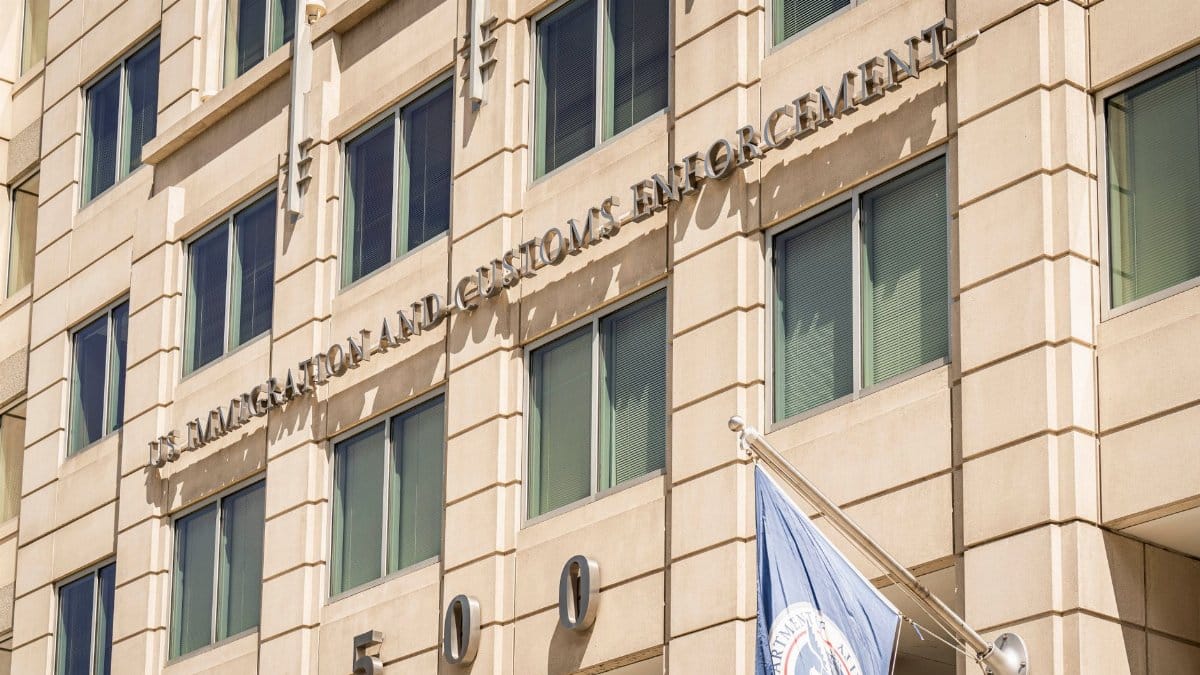
Immigration enforcement is a national power. Raids, detainers, and workplace checks are not designed in City Council. That legal fact does not erase economic geography. Enforcement lands on particular blocks, particular industries, and particular hours of the day. Restaurants, construction sites, cleaning crews, and food processing have long employed people whose status is mixed or uncertain. When those workplaces become sites of fear, output and consumption both move.
Supporters of stricter enforcement argue that the law should be applied evenly and that unauthorized presence carries its own costs, including pressure on wages and public programs. Critics argue that spectacle and unpredictability punish citizens and legal residents alongside the intended targets, and that the commerce lost is a self inflicted wound. A careful reading of the Penn finding does not settle that moral argument. It does insist that the price is measurable, and that pretending otherwise is a form of budget fiction.
What a professor can see that a receipt cannot

A single shopkeeper knows her own week. She cannot see the city. Academic work, whatever its later debates, tries to separate enforcement shocks from ordinary seasonal slumps, weather, and the long drift of retail toward delivery apps. That separation is the hard part. If researchers compare places or periods with different enforcement intensity, and if they track visits as well as dollars, they can say something a anecdote cannot: this dip is not only January, and not only one bad landlord.
Journalists should still hold the method up to the light. How were visits counted. Which businesses were in the sample. Did the model account for pandemic aftershocks and for inflation that changed what $811 million buys. Those questions are not hostility to the finding. They are how a city decides whether to treat a number as a warning or as a headline that will fade.
Neighborhoods do not experience the average
A citywide total hides the map. Center city tourists and office workers are not the same market as a residential corridor in the Lower Northeast or Southwest. If fear concentrates where immigration status is most salient, the average loss understates the local pain and overstates the effect on blocks that never depended on those customers. Policy that responds only to the citywide figure will miss the street where the tax is actually collected in empty chairs.
Community groups often see the pattern before spreadsheets do. Pastors notice thinner collections. Clinic staff notice missed appointments. Coaches notice parents who no longer linger after practice. None of those observations replace a study. Together they explain why a statistical result can feel, to people who live it, like a confirmation rather than a surprise.
Small firms have few hedges

Large employers can hire counsel, redesign schedules, and communicate policies in several languages. A corner owner has a group text and a handwritten sign. When customers vanish, the rational response is defensive: less inventory, less staff, less risk. Defensive business is stable only until the lease comes due. Philadelphia has spent years trying to keep independent retail alive against online competition. An enforcement driven pullback works in the same direction as those older pressures, and it does so faster.
There is no tidy municipal rebate that replaces lost Saturday traffic. Grants and façade programs help a storefront look alive. They do not put a fearful customer back on the bus. The practical tools are plainer: clear information about rights, predictable local policing that does not blur into federal sweeps, and an honest conversation about which industries will seize up if workers stay home.
The argument is about more than immigration policy
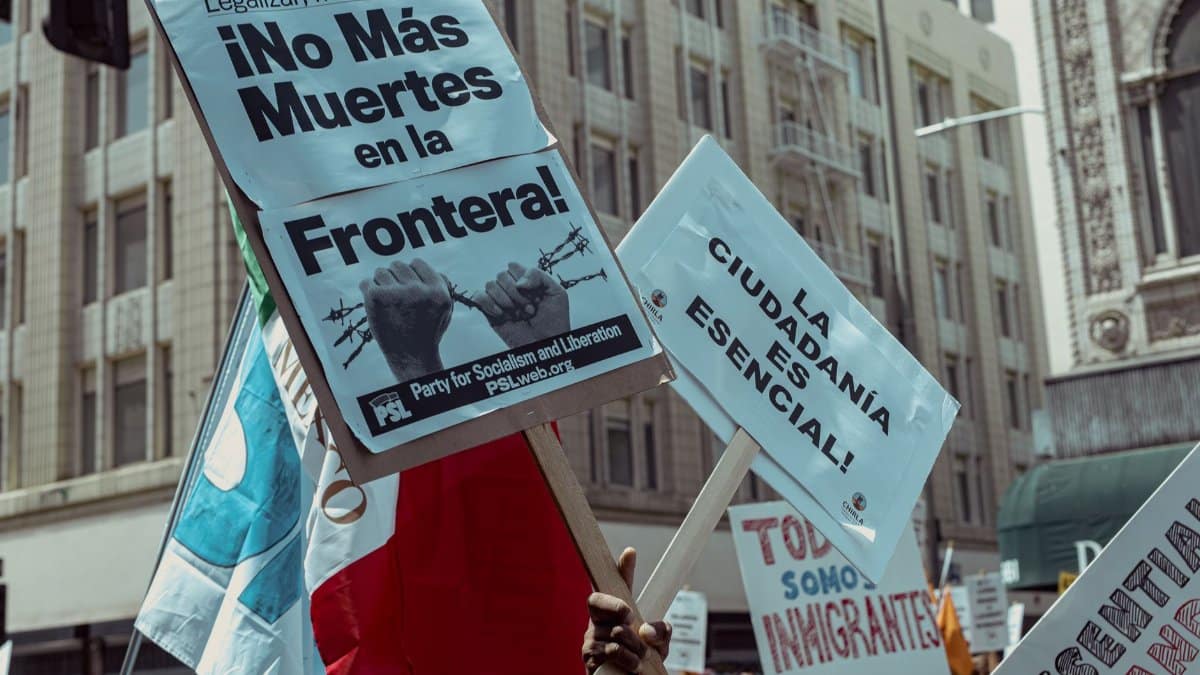
It is tempting to file this story only under immigration. The mechanism is broader. Any policy that makes a large group of residents feel unsafe in public space will show up in commerce. That includes crime waves, discriminatory policing, and transit failures that make a trip feel dangerous. The specific trigger here is enforcement. The economic lesson is about confidence. Cities sell safety and predictability as much as they sell goods.
Philadelphia has argued, sometimes persuasively, that it cannot thrive if whole neighborhoods opt out of public life. The Penn result, as reported, is evidence for that claim in a domain some officials prefer to treat as purely federal. Money spent elsewhere, or not spent at all, does not respect that jurisdictional line.
What remains unsettled

One study does not close a debate. Later work may revise the $811 million figure up or down. Critics will ask whether enforcement coincided with other shocks. Supporters of the research will note that waiting for perfect certainty is a way of never counting the cost. Both instincts are useful. The public needs the number, the method, and the humility to update either when better evidence arrives.
What should not wait is attention to the people already living inside the estimate. A sales loss is an average. A closed shop is a biography. Workers who lost hours do not experience their loss as a residual in a regression. They experience it as a thinner week.
A question the city can actually ask

Philadelphia cannot rewrite federal statute from Broad Street. It can ask, with some precision, what its own agencies do when enforcement rises. Do libraries, schools, and health clinics remain places people trust. Do business corridors get practical help when foot traffic collapses for reasons owners cannot advertise. Does the budget office treat these shocks as real, or as anecdotes that do not belong in a forecast.
The ICE tax Philadelphia is said to have paid is a warning about hidden prices. If the research is even roughly right, the city has already transferred hundreds of millions of dollars of commercial life into absence. Naming that transfer does not dictate a single policy. It does forbid the comfort of claiming the bill was never sent.