
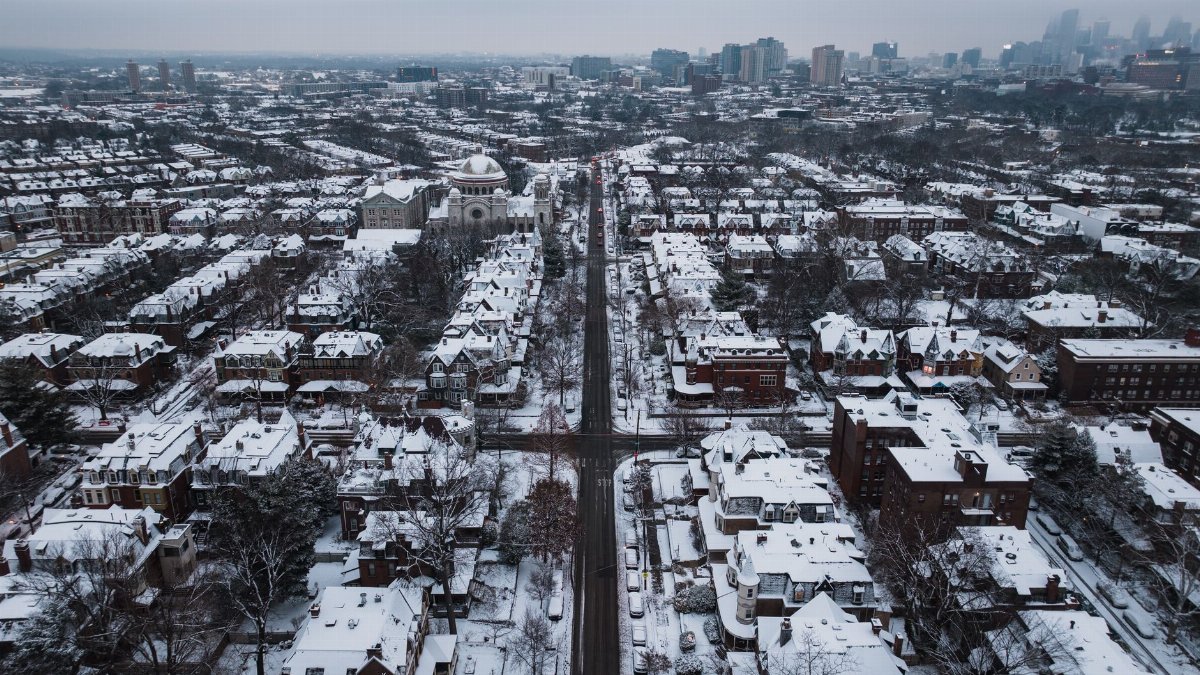
In recent months the Philadelphia Inquirer has turned its attention to the complex forces reshaping neighborhoods across the city. Reporters have examined everything from zoning disputes to community pushback against large scale projects, painting a picture of a metropolis caught between growth and preservation. One theme that surfaces repeatedly is Philadelphia Housing Development, a phrase that now carries weight for residents, investors and city officials alike. Coverage highlights how new construction can lift property values yet also displace longtime households when safeguards fall short.
Tracing Shifts in Neighborhood Character
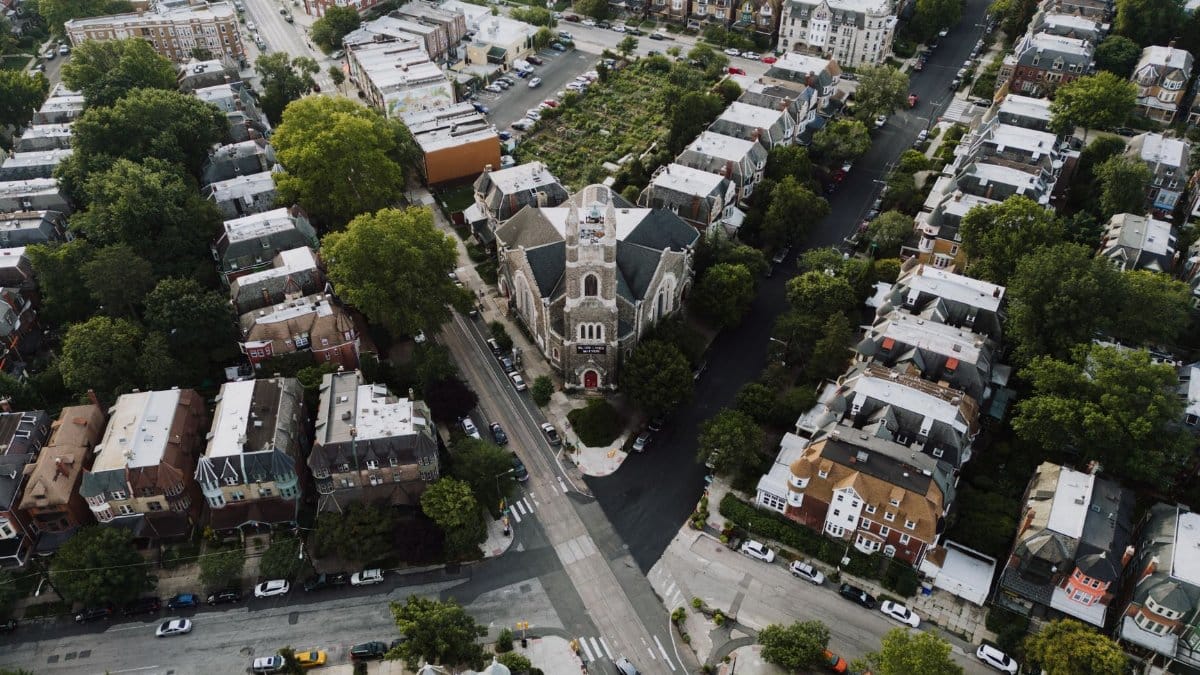
Older blocks once defined by modest row houses now host taller structures that alter skylines and daily rhythms. Longtime residents describe mornings interrupted by construction noise and evenings spent discussing rising rents at corner stores. The Inquirer profiles families who weigh the benefits of fresh amenities against the loss of familiar faces, showing how each block tells its own story of transition.
Policy Frameworks Under Scrutiny

City council meetings have become venues for heated debate over inclusionary zoning and tax abatements. Journalists detail how proposed rules aim to set aside units for lower income households, yet developers argue such mandates can stall projects before they begin. The resulting back and forth reveals the delicate balance between encouraging investment and protecting existing communities.
Voices From the Ground Level

Interviews collected by the newspaper capture a spectrum of perspectives. A retired teacher speaks of watching her property taxes climb beyond her pension, while a young architect defends designs that promise energy efficiency and green space. These accounts ground abstract policy discussions in lived experience and underscore why decisions made downtown matter on every street.
Economic Pressures Driving Change

Broader market forces play a central role. Low interest rates in prior years encouraged borrowing for large projects, and institutional investors now compete for parcels once overlooked. The Inquirer tracks how these capital flows intersect with local wages that have not kept pace, leaving many households priced out of areas they once called home.
Community Responses and Organizing Efforts
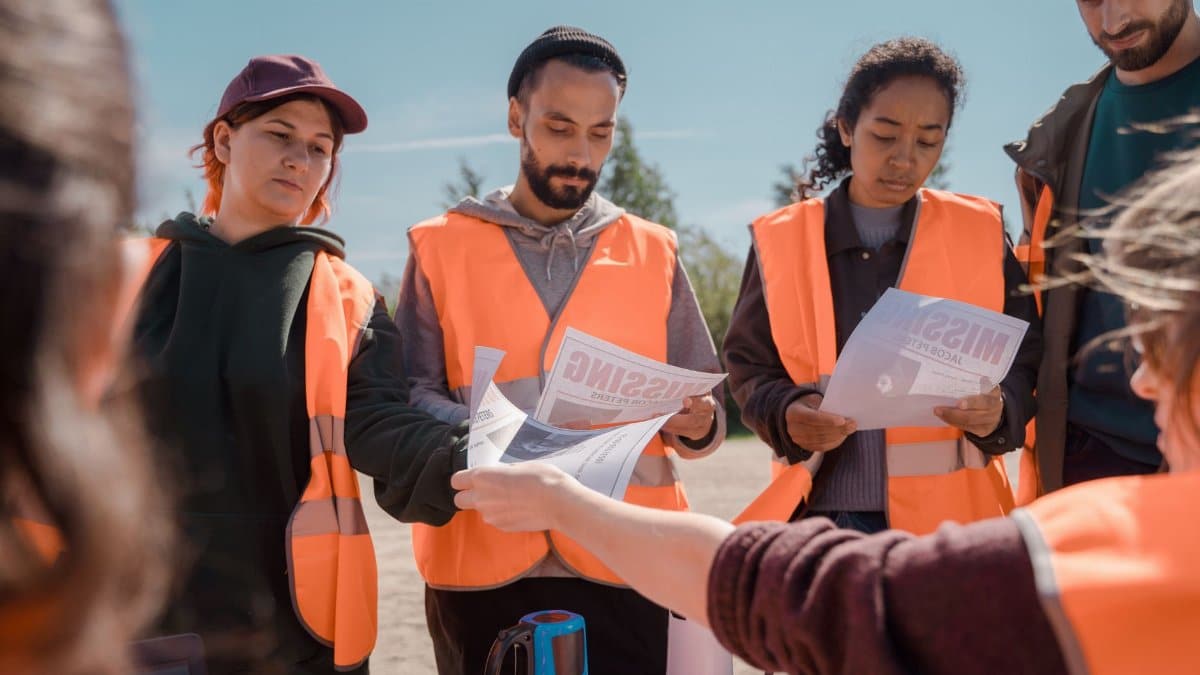
Grassroots groups have formed to monitor proposals and negotiate concessions. Tactics range from public testimony to partnerships that secure funding for affordable units within market rate buildings. Coverage shows both the promise and the limits of such activism when city agencies must weigh competing demands for revenue and equity.
Environmental Considerations in New Builds
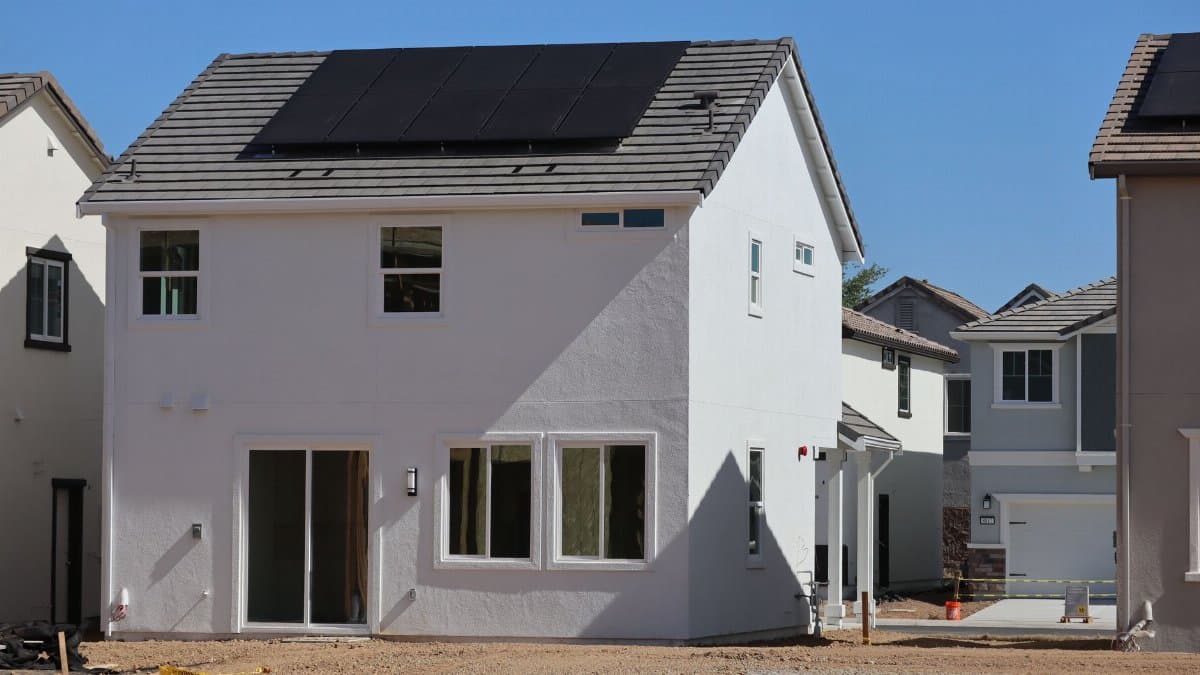
Modern Philadelphia Housing Development increasingly incorporates sustainability features such as solar panels and stormwater controls. Reporters examine whether these measures deliver meaningful benefits or serve mainly as marketing points. Residents living near new sites report mixed results, with some noting cooler summers thanks to added trees and others questioning whether construction itself disrupts local ecosystems.
Looking Ahead at Citywide Trends

Projections suggest demand for housing will remain strong as job centers expand. Planners weigh options that include adaptive reuse of vacant offices and incentives for mixed income communities. The Inquirer continues to follow these developments, offering readers context on choices that will shape Philadelphia for decades to come.