
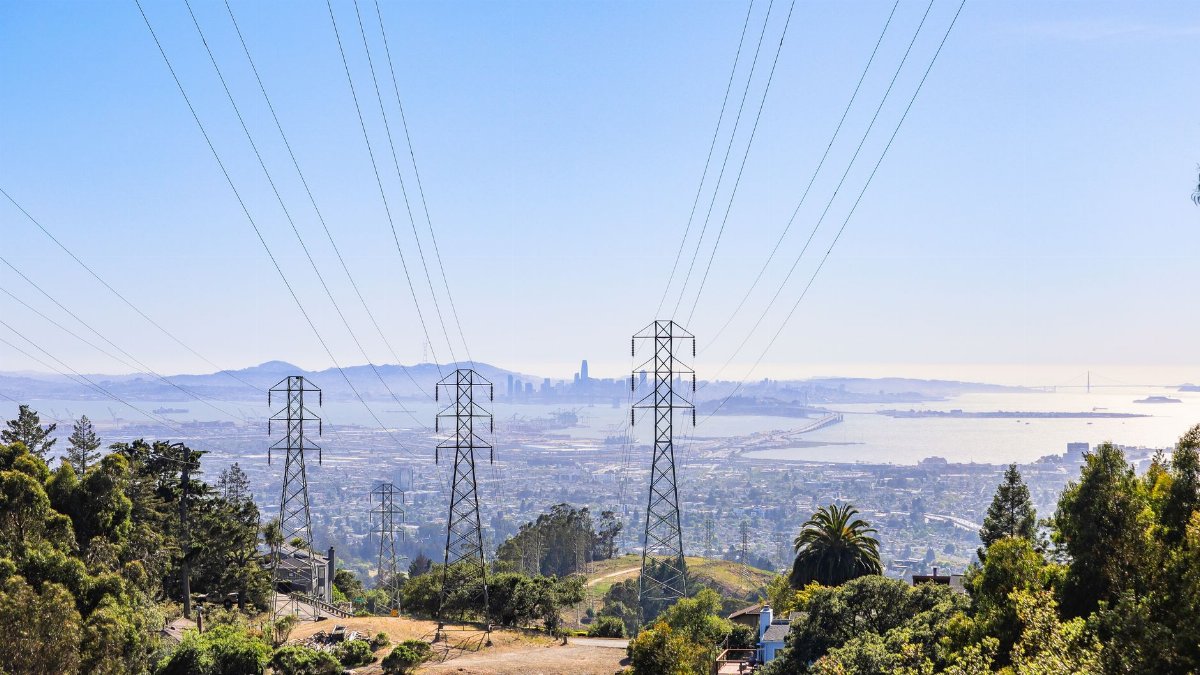
The first sign was not smoke. It was the particular quiet that follows a refrigerator motor when the current stops. On ridges above the Napa Valley and in pockets of the East Bay, phones buzzed with the same warning residents have learned to read before they look at the sky. PG&E PSPS Napa Alameda outages were underway, a planned cut in service while gusts and dry fuel raised the chance that a line could start a fire. Hundreds of customers in Napa, Alameda, and Contra Costa Counties were in the path, according to early reports carried by the San Francisco Chronicle. For people who remember recent fire seasons, the notice felt less like a surprise than a return.
A warning residents already know how to read
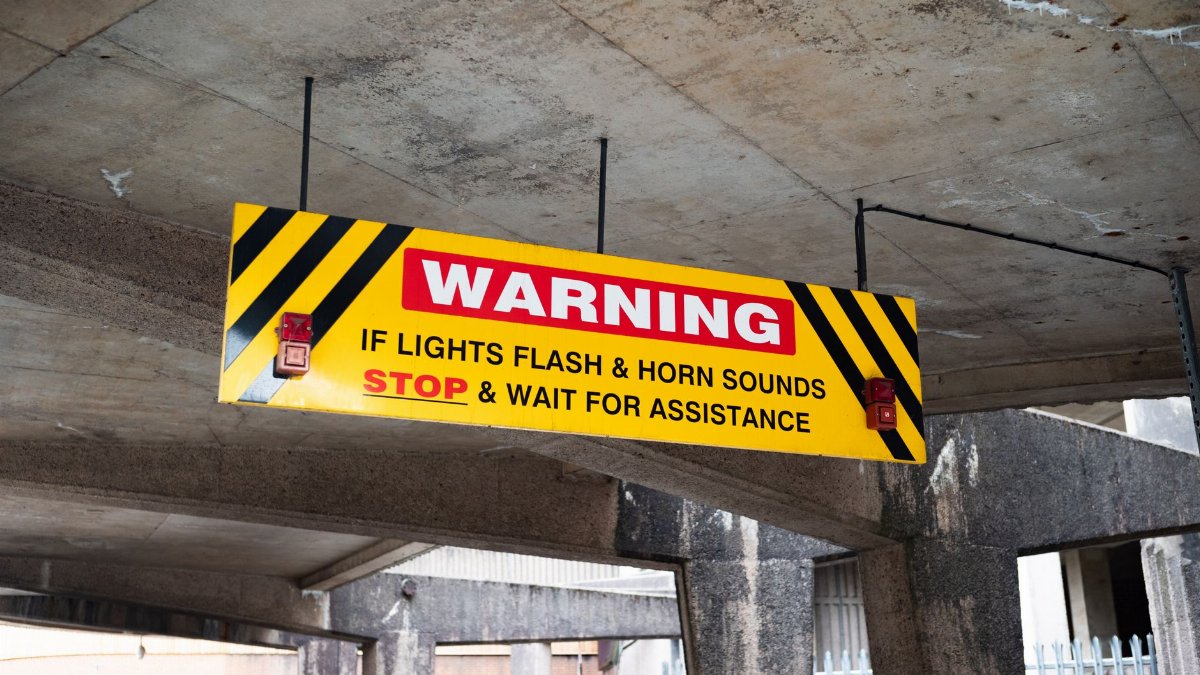
Public Safety Power Shutoff is the formal name. Most people shorten it to the letters on the alert, then start a mental list. Ice. Medications that need cold. Phones. A neighbor who uses a machine at night. The program exists because electricity and wildfire have collided too often in California. When forecast winds are strong enough to throw branches into lines, or to blow a spark into grass that has not seen real rain, the utility can de energize selected circuits rather than gamble on a fire no crew can outrun.
That choice is never abstract to the person standing in a dark kitchen. It is also not the same thing as an unplanned failure. Crews know which segments they intend to open. Customers are supposed to receive notice. Restoration waits on patrols that walk or fly the lines after the weather eases, looking for damage that the wind may have left behind. The wait can stretch longer than the shutoff itself.
Where the lights went out
The geography of this round followed the weather, not a county border drawn for politics. Napa, with its valleys, ridges, and long runs of rural line, sat inside the warning. Parts of Alameda County did too, including communities that sit closer to grassland and oak woodland than to the dense streets people picture when they say the East Bay. Contra Costa joined the map as the same wind field pushed across the hills.
Hundreds of customers is not a regional blackout. It is a scatter of circuits, some of them serving only a few dozen homes, some of them feeding a winery road or a canyon where a single span crosses dry grass. That scatter is easy to miss on a statewide map and impossible to miss if your block is the one that goes quiet. Early accounts framed the event as the start of shutoffs, not the end of a season. In California, a first round often means meteorologists are watching the next trough as well.
The logic of a deliberate blackout
Utilities do not cut power because darkness is useful. They cut it because an energized line in extreme wind is a match with a long fuse. A conductor can slap another conductor. Hardware can fail. A tree outside the official clearance can still reach a wire if the gust is violent enough. Once a fire starts in that wind, embers travel farther than any single engine company can reasonably chase.
The counterargument is just as plain. Power is not a convenience for everyone. It is refrigeration, oxygen equipment, well pumps, traffic signals, and the ability to hear an evacuation order. A shutoff that prevents one catastrophe can create a string of smaller emergencies. California has spent years trying to hold both truths at once: lines must not become ignition sources, and people must not be left to improvise safety in the dark without warning or help.
Wind, fuel, and a dry calendar
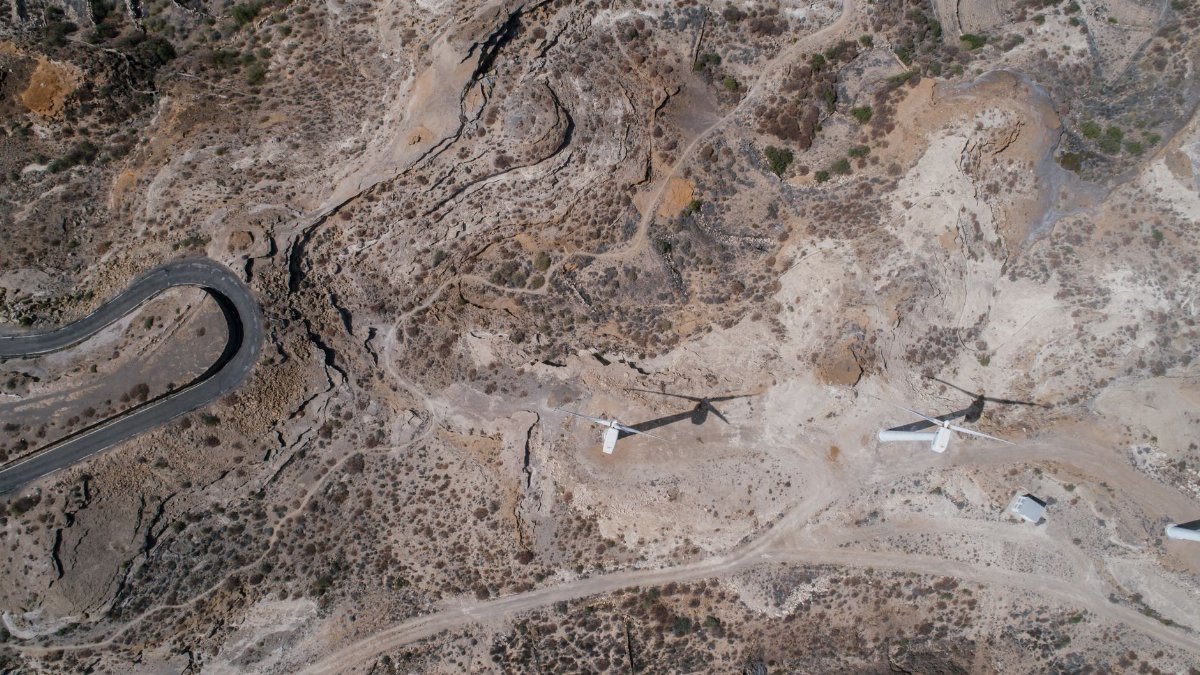
Fire agencies talk about alignment. Wind, low humidity, and fuel that will carry flame have to show up together. Autumn in the Bay Area often supplies that alignment even when the calendar still feels like late summer to someone from a wetter climate. Grasses cure. Live oaks hold just enough moisture to survive, not always enough to stop a run of flame underneath them. North and northeast winds dry the air as they descend.
Forecasters watch ridge tops more than downtown thermometers. A mild afternoon in a valley can sit under a night that will shove forty and fifty mile an hour gusts across exposed spans. That is why a shutoff map can look arbitrary to a customer whose street feels calm. The risk may be one canyon over, on a circuit that also serves the calm street. Electricity does not stop at the property line where the wind begins.
Napa learns the ritual again

In Napa, the ritual has a vintage of its own. Generators appear in driveways. Tasting rooms post handwritten notes. Ranch roads go dark in a way that city blocks rarely do, because a single lateral may feed miles of fence line and a handful of houses. People who work harvest schedules already live by weather. A power notice simply joins frost, heat, and smoke on the list of forces that do not care about a reservation book.
There is also memory. Residents who lost nights to earlier shutoffs know which flashlight actually works and which neighbor will need a ride if the outage lasts past a medical appointment. They know that a planned cut can still feel like abandonment if the restoration text arrives hours after the all clear on the wind. Trust, in this setting, is a practical object. It is measured in whether the map matched the streets, and whether the lights returned when the company said they would.
Alameda County on the same weather map

Alameda County contains both the dense cities people name first and the open hills those cities back into. A shutoff that touches the county is easy to misunderstand from a distance. Office towers in Oakland do not go dark because a circuit in the grassland does. The households that do lose power may be closer to regional parks, ridgelines, and older overhead construction than to a BART platform.
That split matters for how the story travels. A headline can make the entire East Bay sound powerless. On the ground, most lights stay on, which can breed impatience among people who are unaffected and real isolation among people who are not. Local officials spend these hours translating a utility map into something a family can use: which roads may lack signals, which cooling or warming centers exist if the outage overlaps a temperature extreme, which medical registries have already been flagged.
Contra Costa and the wider circuit
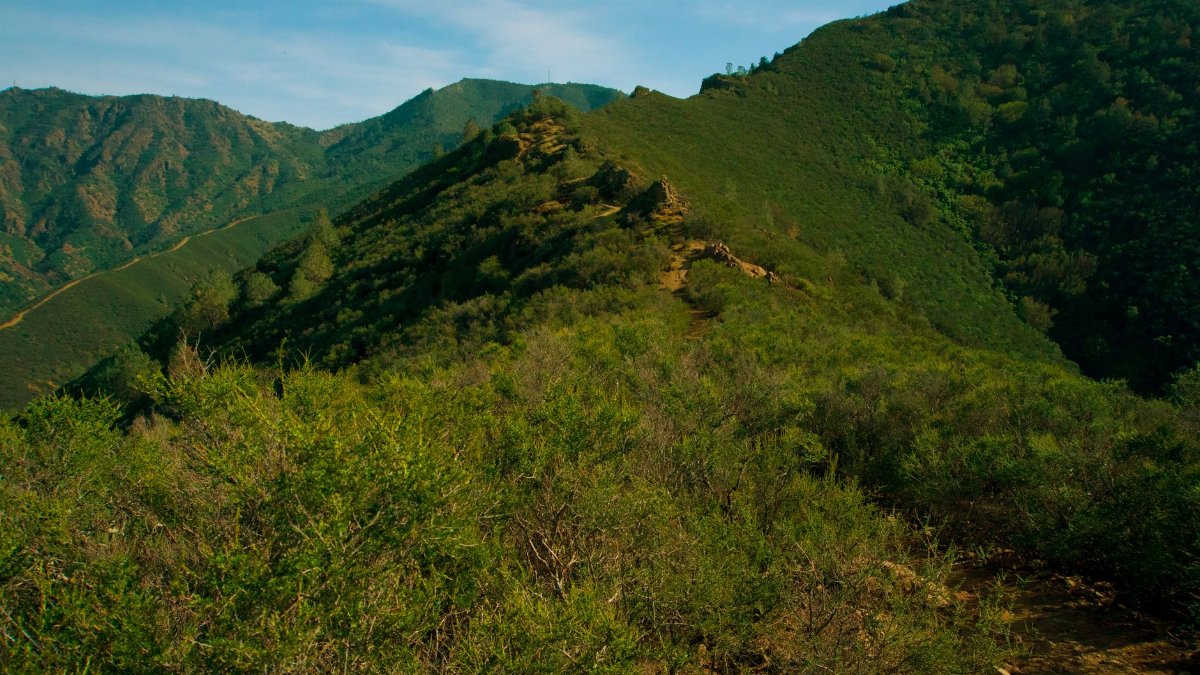
Contra Costa often shares the wind even when it does not share the headline. Hills east of the Berkeley ridge and communities farther inland sit under the same dry flow. When PG&E draws a boundary for de energization, the line can cross county names without ceremony. A customer in one jurisdiction may lose power because a span in another is the weak point.
Regional coordination is the unglamorous work of these events. Sheriff offices, fire districts, and city emergency managers compare lists. They ask who has already been notified, who uses electrically dependent equipment, and which critical sites have transfer switches that actually function. The public sees an outage. The people on duty see a checklist that fails if one assumption is wrong.
People who cannot treat darkness as an inconvenience

The hardest cases are not the ones that photograph well. They are the households where a shutoff collides with health. Backup batteries run down. A well pump stops and a tank does not refill. A person who needs a device at night starts calculating hours instead of sleeping. California rules push utilities to identify medical baseline customers and to offer extra notice, yet identification is only as good as the database and the willingness of people to enroll before the wind arrives.
Community groups fill gaps the database misses. Churches open halls. Neighbors share extension cords from a single generator, a kindness that also carries carbon monoxide risk if the machine sits too close to a window. Advice from fire agencies stays simple because simple advice is what people can follow at midnight: generators outside and far from doors, never indoors; flashlights instead of candles when the house is full of dry material; a plan for medications that does not depend on a pharmacy being open and powered at dawn.
What the company says it is trying to stop

PG&E and state regulators describe these cuts as a last resort inside a larger hardening program. Stronger poles, covered conductor, wider clearances, and better situational awareness are supposed to shrink the number of circuits that must go dark. Progress on that work is real in places and uneven in others. Customers experience the unevenness as a repeated season of alerts, not as a spreadsheet of miles upgraded.
The moral claim behind a shutoff is prevention. One avoided ignition can spare a town. The political claim is accountability. After catastrophic fires linked to utility equipment, Californians were told that the era of hoping a line would hold was over. Planned darkness became part of the bargain while the system was rebuilt. Whether that bargain still feels fair depends on how often the lights go out, how precisely the maps are drawn, and how quickly service returns once patrols are done.
After the wind, the harder questions

Restoration is a second event, not a footnote. Crews cannot simply close a switch because the forecast has improved. They look for fallen limbs, damaged hardware, and any sign that a line is no longer safe to energize. In rural stretches that inspection takes time. A family that packed a cooler for one night may be looking at a second morning of melted ice and a phone that will not charge in the car because the car is also the only way to get to work.
Those mornings produce the questions that outlast the weather alert. Was this circuit on the list because the risk was acute, or because the infrastructure is still too fragile for ordinary autumn wind? Did notice reach people who do not live on smartphones? Did small businesses lose a day of sales that no insurance form will quite cover? PG&E PSPS Napa Alameda outages will be logged as an operational event. Residents will log them as a test of whether the prevention story matches the street where they live.
Living with a season that now includes darkness
I have listened to enough of these nights to know the tone people use when the power returns. Relief first. Then a flat inventory of what spoiled, what was missed, and what they will buy before the next advisory. The inventory is not panic. It is adaptation, and adaptation has a cost that never shows up cleanly in a wildfire statistic.
Preparation still beats improvisation. A cooler, a way to charge a phone, a paper list of phone numbers, a plan for anyone who depends on electricity to stay well, and a clear sense of whether your address sits on a circuit that has gone dark before. Local emergency offices and the utility outage maps are the places to confirm status as conditions change, rather than a rumor in a group text. None of that makes a shutoff pleasant. It makes it survivable.
The Bay Area will keep having wind. The hills will keep curing as the rains delay or arrive. Utilities will keep facing the choice between an energized line and a dark house. The standard worth holding them to is narrow and serious: cut power only where the fire risk is concrete, tell people early, protect those who cannot self rescue, and turn the lights back on as soon as the lines are truly safe. Until that standard is ordinary, PG&E PSPS Napa Alameda outages will remain a season marker as familiar as the first dry north wind.