

Pete Buttigieg has stepped back into the public eye with a series of appearances across South Carolina. These events mark a deliberate effort to strengthen ties with key voter groups as he considers whether to seek the presidency once more. Observers note that his schedule includes town halls and community forums focused on economic opportunity and infrastructure. The visits come at a time when Democratic strategists are reassessing priorities ahead of future contests. Buttigieg South Carolina has drawn attention for its emphasis on personal outreach rather than large rallies. Local leaders describe the former mayor and transportation secretary as someone who listens carefully before offering policy ideas. His approach reflects lessons from earlier campaigns where building trust took precedence over broad national messaging. Supporters say these stops signal a patient strategy built on repeated engagement in states that reward steady presence.
Reconnecting With Core Voter Groups

Buttigieg has spent time in churches and civic centers listening to residents who felt overlooked in previous cycles. Conversations often turn to job training programs and reliable public transit that connect rural areas to urban centers. Participants report that he takes notes and follows up with staff members on specific concerns raised during each stop. This methodical style contrasts with flashier campaign tactics and aims to establish credibility over months rather than weeks.
Lessons From Earlier Primary Efforts
Previous attempts taught Buttigieg the value of sustained attention in states with diverse electorates. He now arrives with a narrower set of priorities that include supply chain resilience and workforce development. Staff members emphasize that every event serves as preparation for potential larger ambitions without rushing announcements. The focus remains on proving competence through detailed answers rather than broad promises.
Role of Infrastructure Policy in Local Discussions

Road and bridge projects funded during his time in federal service provide concrete examples for current conversations. Residents in smaller towns describe improved access to medical care and schools thanks to targeted investments. Buttigieg uses these stories to illustrate how national policy translates into daily improvements. Critics question the pace of some projects yet acknowledge visible progress in several counties.
Building Relationships With Community Leaders
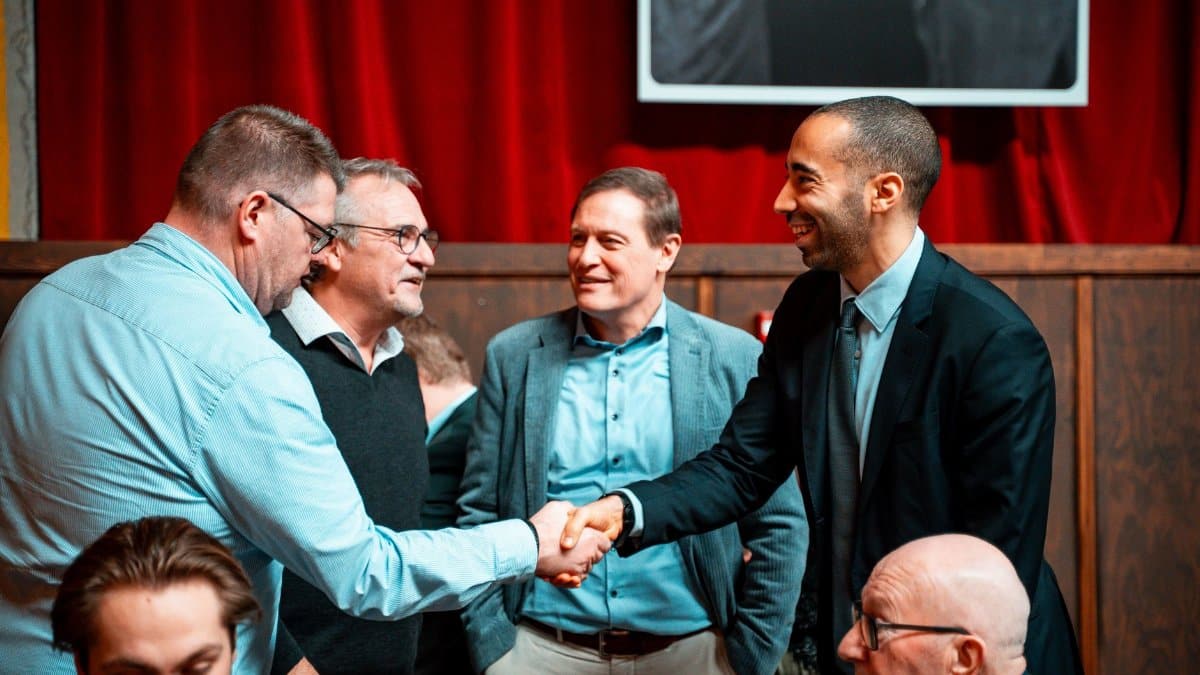
Local elected officials and pastors have hosted private meetings that allow for candid exchanges away from cameras. These gatherings help identify emerging concerns such as access to broadband and affordable housing. Buttigieg responds by sharing data from comparable communities while avoiding one size fits all solutions. The resulting dialogue creates a foundation for ongoing collaboration regardless of his personal political timeline.
Timing Considerations For Future Decisions

Speculation about another presidential bid continues even as Buttigieg insists the current focus stays on policy work and family. Advisors suggest any formal move would follow careful assessment of fundraising capacity and early state support. The South Carolina stops serve as one data point in that larger evaluation. Observers expect clearer signals only after midterm results clarify party direction.
Media Coverage And Public Perception

National outlets have noted the measured tone of these appearances compared with more theatrical political events. Coverage highlights small group interactions over large stage productions. Public reaction appears measured with approval ratings stable among those familiar with his record. The strategy seems designed to avoid overexposure while keeping the candidate visible to attentive audiences.
Challenges In A Crowded Field

Any future contest would feature multiple candidates with strong regional bases. Buttigieg must demonstrate broad appeal beyond the states where he already holds name recognition. Organizers point to expanded volunteer networks and updated messaging that addresses cost of living pressures directly. Success depends on translating personal rapport into organized support across demographic lines.
Looking Ahead To Broader Outreach

The current round of events in South Carolina sets the stage for similar efforts in other early voting states. Each visit reinforces a pattern of quiet persistence rather than dramatic gestures. Whether this leads to another White House campaign remains uncertain yet the groundwork appears deliberate and ongoing.