
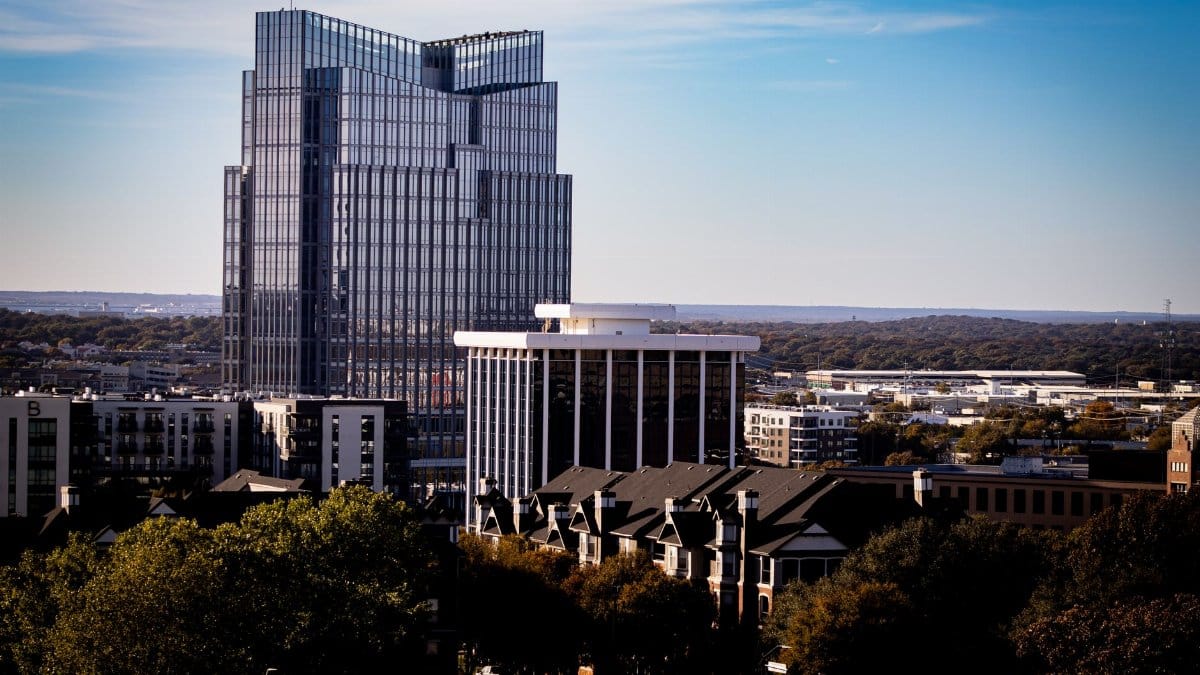
On a clear morning west of downtown, the low buildings along the rail lines still look like the Fort Worth that shipped cattle and packed meat. A few miles farther out, cranes, switchyards, and long windowless halls tell a different story. Ross Perot Jr., whose development work and role with the U.S. Chamber of Commerce keep him close to both local land and national policy, has been describing a Fort Worth manufacturing surge tied to artificial intelligence, data centers, and defense contracts. The claim is large. The evidence on the ground is real in places and still forming in others, and that gap is what residents ought to watch.
A city that still measures itself by what it makes

Fort Worth has never been only a suburb of its larger neighbor to the east. For more than a century it has treated production as a civic identity, from stockyards and rail shops to aircraft plants that rose with federal demand. That history matters now because new investment is being sold in the language of a boom, as if the city were discovering industry for the first time. It is not. What is changing is the mix of customers, the size of the buildings, and the kind of power those buildings consume.
Older plants still stamp, assemble, and ship. Newer sites look quieter from the road. Some hold servers instead of lathes. Some hold both, because a defense supplier and a computing hall can sit on the same industrial map even when their workers barely overlap. Calling all of it one boom flattens those differences. A careful reader should separate a factory that hires machinists from a hall that mostly hires electricians, security staff, and a smaller crew of technicians.
What Perot is pointing toward

Perot is not a neutral narrator. Through Hillwood and the Alliance corridor north of the city, his companies helped turn ranch land into an airport, rail, and logistics district that national firms now treat as a given. When he talks about growth fueled by artificial intelligence, data centers, and defense, he is describing a landscape his own projects helped prepare. That does not make the description false. It does mean the public should hear it as an argument from a builder, not as a census.
The U.S. Chamber of Commerce, where he has held senior leadership, tends to frame private investment as the main engine of local prosperity. In that frame, Fort Worth looks well placed: available land relative to coastal cities, a workforce already familiar with aviation and logistics, and a political culture that welcomes large employers. The frame leaves out costs that do not show up in a groundbreaking photo, including strained substations, housing pressure near new job centers, and training programs that lag the help wanted signs.
Defense work still sets the tempo

If there is a durable core to Fort Worth manufacturing, it is still defense and aerospace. Lockheed Martin and a wide ring of suppliers have anchored west side employment for generations. Bell and other aviation firms add to a cluster that federal budgets can expand or shrink with a single appropriations cycle. When national spending on combat aircraft, missiles, and related systems rises, the city feels it in overtime, in supplier backlogs, and in the lines at technical colleges.
That dependence is a strength and a risk at once. A city that can build complex machines for the Pentagon has skills that consumer factories envy. Those same skills are exposed when Congress delays a program or when a prime contractor shifts work to another state. Local leaders rarely say this plainly at a ribbon cutting. They should. A boom funded by multiyear contracts is not the same thing as a boom funded by households buying cars. One can pause when Washington pauses. Residents who remember earlier slowdowns already know the difference.
Data centers change the industrial map
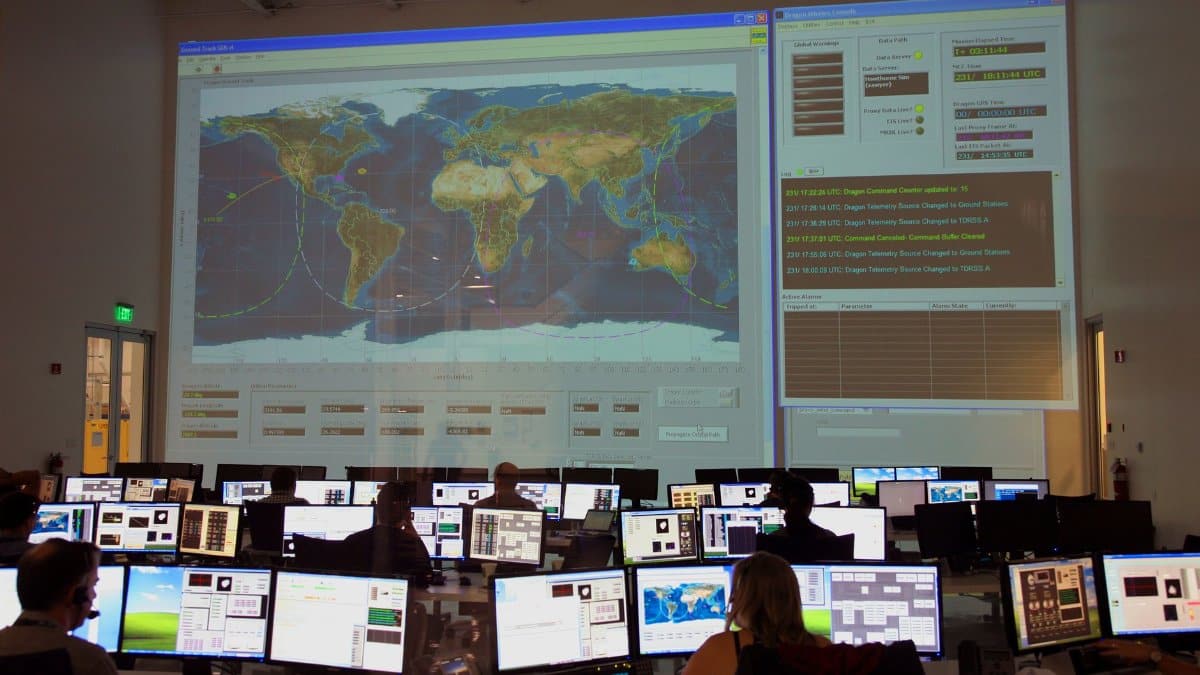
Data centers are the part of the story that looks least like a traditional plant and behaves most like one in the permitting office. They need land, roads, fiber, and above all electricity. North Texas has become a favored region for these halls because power deals, available acreage, and mild construction seasons compare well with crowded coastal markets. Fort Worth and the counties around it sit inside that regional pull, even when a given project is announced under a suburban name rather than a city one.
The economic question is what a data center actually leaves behind. Construction crews are busy for a season. After that, permanent employment is often modest next to the capital spent and the megawatts reserved. Tax abatements can make the public return thinner still. None of this means the projects are worthless. They can anchor fiber routes and signal to other firms that the grid and the zoning will accommodate large users. They should not be counted, one for one, as manufacturing jobs. A server hall is industrial infrastructure. It is not a shop floor.
Artificial intelligence arrives as a tool, not a slogan

Artificial intelligence enters this picture in two ways, and they are easy to blur. The first is demand. Training and running large models requires the computing halls just described, so the national race to build those models shows up locally as land deals and power requests. The second is use. Factories already in the region are testing software that flags defects, schedules maintenance, and trims scrap. That second use is quieter and, for workers, more immediate.
On a line that builds aircraft parts or industrial equipment, a camera and a model can catch a flaw a tired inspector misses. They can also be used to speed quotas in ways that raise injury risk if staffing does not keep up. The technology does not choose. Managers do. Cities that celebrate AI as fuel for Fort Worth manufacturing should ask which version they are cheering: more orders for buildings that house machines, or better tools inside buildings that already employ people. The first is a real estate story. The second is a productivity story. Both can be true. They are not the same headline.
Who gets hired when the signs go up

Talk of a boom is incomplete without a payroll. Defense suppliers need welders, composite technicians, quality inspectors, and engineers. Logistics yards need drivers and mechanics. Data centers need specialized electricians during construction and a leaner staff after opening. Artificial intelligence vendors need almost no one on site once software is installed. A city can post record investment and still hear from residents that the jobs they can reach have not multiplied in the same way.
Training is the hinge. Community colleges and apprenticeship programs in the region have expanded technical tracks, yet employers still complain of shortages while applicants complain of requirements that assume experience they cannot get. That standoff is familiar across American industry. It is sharper here because the advertised future mixes highly paid skilled trades with facilities that do not hire at that scale. If public money supports the boom, public agencies should publish plain counts: permanent jobs, wage ranges, and how many of those jobs went to people who already lived in the county.
Power, water, and the ground under the cranes
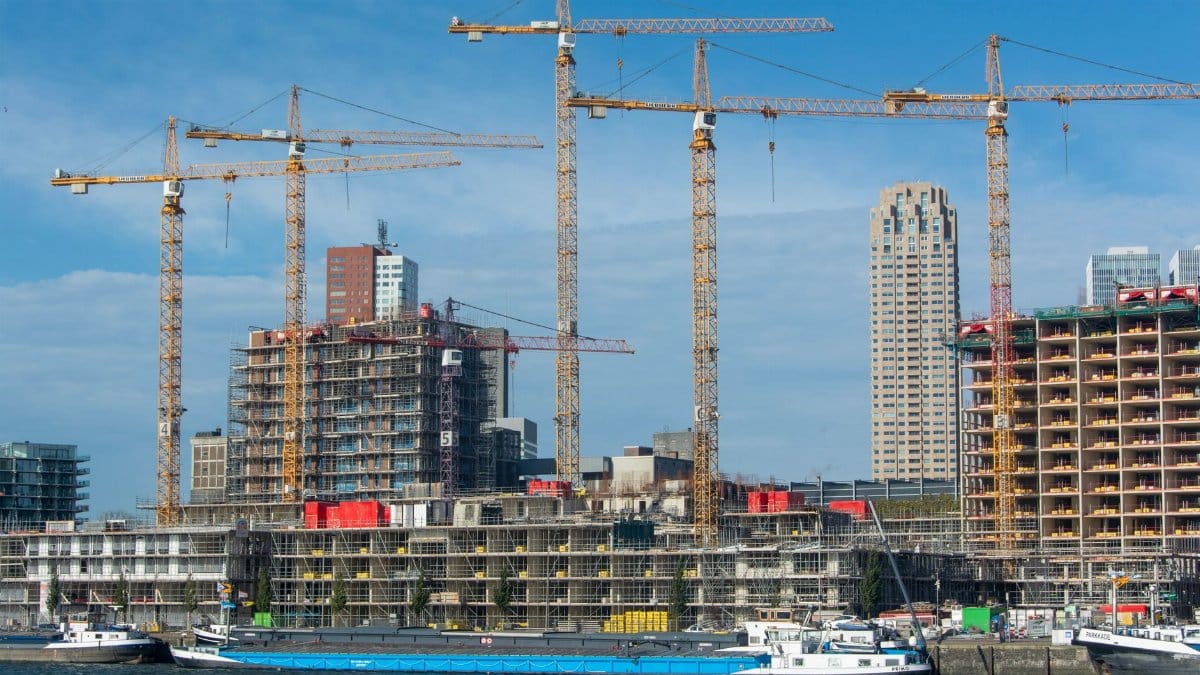
Every new hall competes for the same physical limits. Electricity is the binding one. Data centers and advanced plants ask utilities for loads that used to belong to entire towns. Utilities can build, but not overnight, and someone pays for the lines, whether through rates, special contracts, or delayed service for housing and smaller firms. Water is the quieter constraint. Cooling and some industrial processes draw on supplies that North Texas already debates in dry years.
Land looks abundant until it is not. Large parcels near highways and rail fill first. What remains may sit farther from workers who rely on buses or on long drives from older neighborhoods. A manufacturing revival that only works for people who can afford a reliable car is a narrower revival than the speeches suggest. Zoning boards and utility commissions will shape that outcome more than any single conference remark. They deserve the same attention now given to groundbreaking ceremonies.
A chamber argument meets a local ledger

Chamber leaders are paid to make the case for growth, and Perot has the standing to make it with specifics about sites he knows. The useful part of that case is the reminder that Fort Worth is competing with other inland metros for plants that could land almost anywhere with a runway, a highway, and a willing council. The less useful part is the suggestion that artificial intelligence, data centers, and defense add up to one smooth upward line.
They add up to a portfolio. Defense is cyclical and skilled. Data centers are capital heavy and job light. AI tools can raise output in existing plants or reduce the need for some inspection roles. A city can want all three and still insist on terms: clawbacks if job pledges fail, disclosure of power reservations, and training seats reserved before incentives are voted. That is not hostility to industry. It is the ordinary work of a public ledger. National business groups rarely lead with those conditions. Local voters can.
If the contracts and the computing rush both cool

Booms are named in hindsight, usually after someone has already called the turn too early. Defense spending can flatten. The computing buildout can pause if model builders slow their orders or if power cannot be delivered on the dates in the press releases. Fort Worth has lived through both kinds of pause before, under different labels. The plants that survived were the ones with more than one customer and a workforce that could shift tasks.
A prudent civic stance is to welcome the investment now arriving and to refuse the idea that momentum is a plan. Diversified suppliers, repair and maintenance work, and civilian aviation sit alongside the headline programs. They do not photograph as well. They keep paychecks moving when a flagship contract slips a year. Leaders who speak only about the crest of the wave are not preparing the city for the trough that industrial history almost always includes.
How to read the next year of announcements

The coming year will bring more groundbreakings, more renderings of windowless buildings, and more claims that Fort Worth manufacturing is entering a new age. Some of those claims will describe real hiring at suppliers tied to defense work. Some will describe real estate transactions whose employment impact is mostly temporary. Residents can sort them with a short list of questions. How many permanent jobs, at what pay, on what timeline? Who pays for the power upgrade? What training seats are funded in the same vote as the incentive? What happens to the abatement if the jobs do not arrive?
Perot and other business voices will keep making the optimistic case, and they will sometimes be right about sites and sectors. The city’s job is not to clap or to scoff. It is to match each announcement to a payroll and a utility plan. That habit will matter more than any single speech about artificial intelligence or any single contract from Washington. Fort Worth already knows how to build. The open question is whether this round of building leaves a broader base of skilled work, or a narrower set of impressive buildings whose benefits stop at the fence line.