

In legislative sessions across the country lawmakers have considered proposals to lock clocks in one position year round. Among these ideas permanent daylight saving stands out as a measure that could reshape daily patterns in states like California without the twice yearly adjustments that many find disruptive. Residents might wake to different light levels and plan evenings around extended brightness in ways that alter everything from commutes to leisure.
Effects on Daily Schedules in Urban Areas
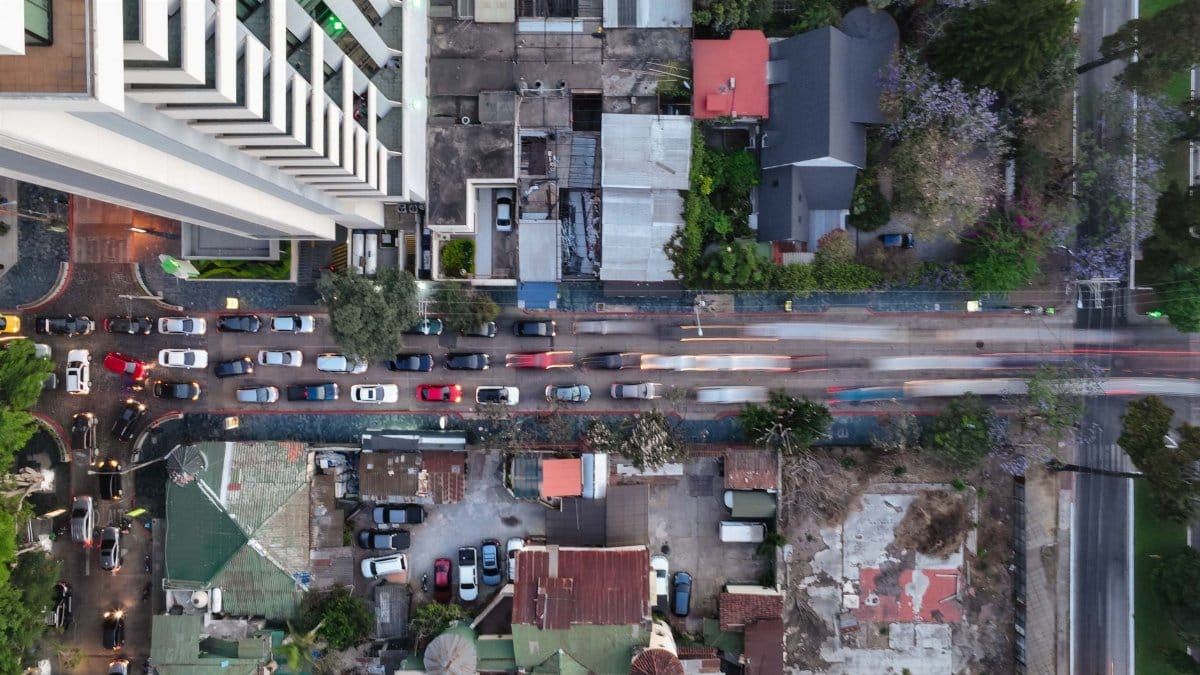
City dwellers in places like Los Angeles and San Francisco would notice shifts in when natural light appears during morning hours. Commutes might start in darker conditions for some while others enjoy brighter evenings after work. Public transit systems could adjust timetables to match new patterns of movement as people alter their routines around the fixed clock setting.
Implications for Health and Sleep Patterns

Medical experts note that consistent timekeeping might reduce the brief disruptions linked to clock adjustments. Studies from sleep research centers suggest steadier light exposure could support more regular rest cycles over time. Yet the later sunrises in winter months might leave some feeling less energized at the start of the day especially during shorter daylight periods.
Business Operations and Retail Trends
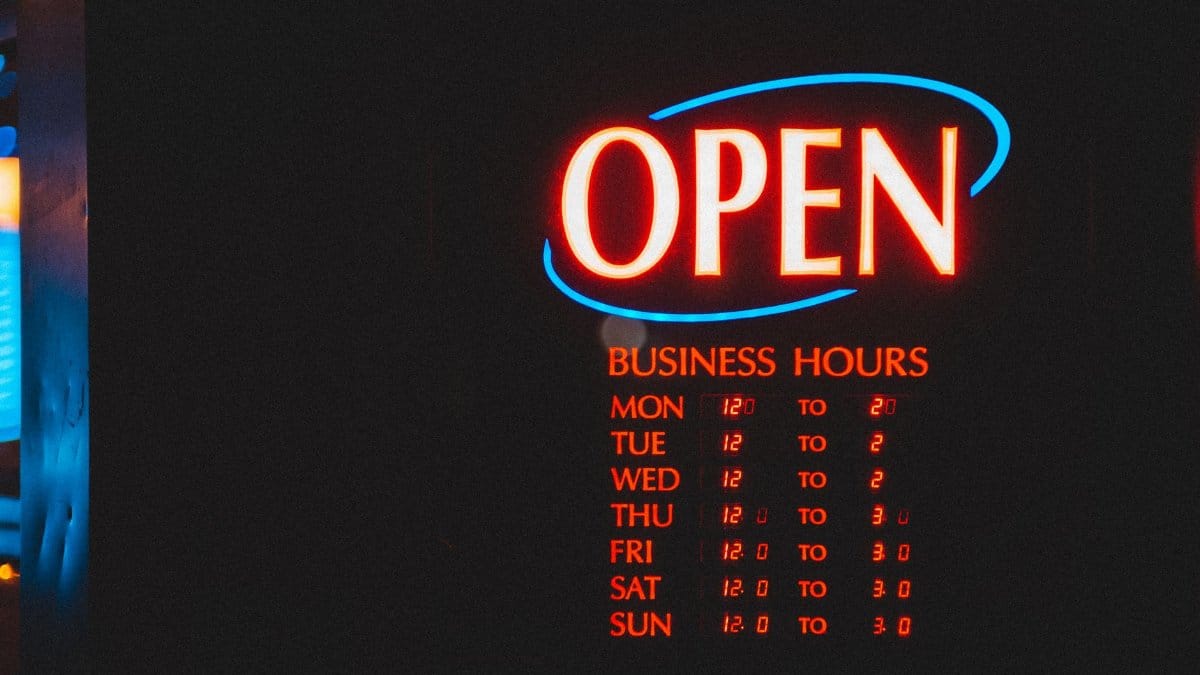
Retail outlets and restaurants often see changes in customer traffic based on available light after standard work hours. With permanent daylight saving some establishments might extend outdoor seating or adjust operating times to capture evening visitors. Supply chains could face minor recalibrations in delivery windows though overall the fixed schedule offers predictability for planning purposes.
School Timetables and Student Well Being
Educators and parents would weigh how later sunsets influence after school programs and extracurricular activities. Younger children might head to classes in reduced morning light during winter which raises questions about safety on routes to school. Districts could explore later start times or enhanced lighting measures to address these shifts while maintaining academic calendars.
Energy Consumption Patterns Across Regions
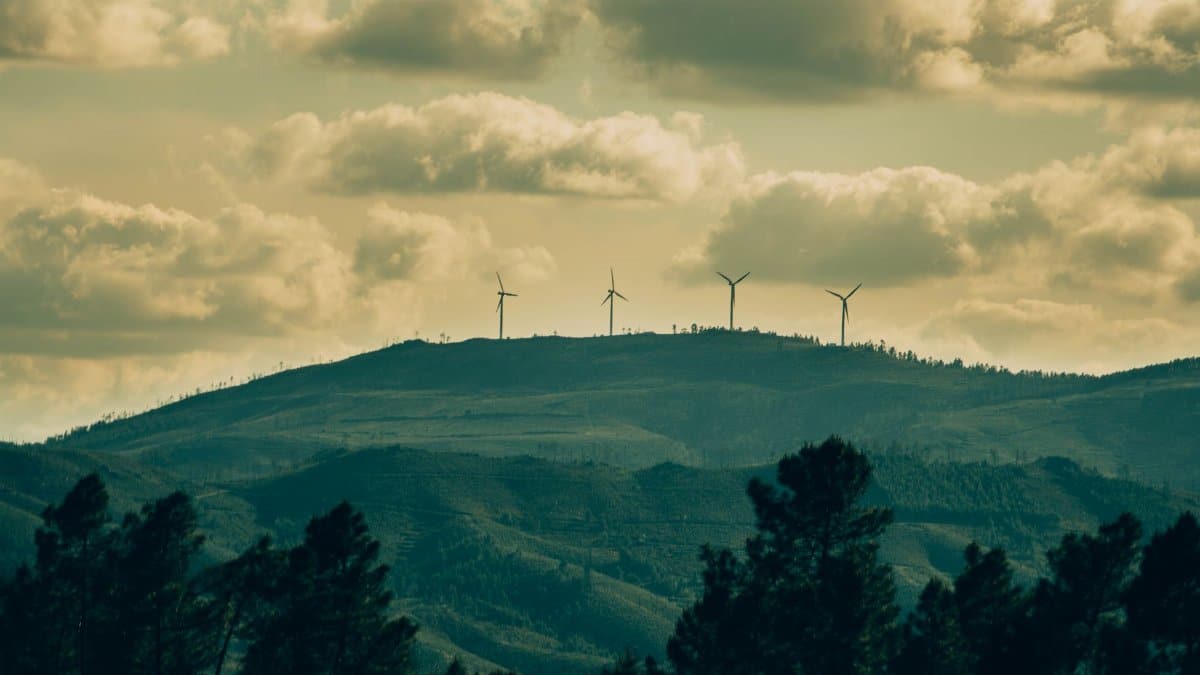
Utility providers track how lighting needs evolve when daylight extends further into evenings. Some analyses indicate potential savings in electricity for artificial lights though heating demands in cooler months might offset gains. California utilities would monitor data over several seasons to assess net impacts on grid loads and consumer bills.
Outdoor Recreation and Community Events

Parks and trails could attract more visitors during extended evening hours as people seek fresh air after work. Sports leagues might schedule additional games under natural light reducing reliance on field illumination. Community gatherings such as farmers markets or festivals could adapt timings to align with peak daylight availability throughout the year.
Travel and Tourism Adjustments

Airports and highways might see altered peak usage as travelers time trips around consistent light conditions. Tourism boards could promote destinations based on reliable evening visibility for sightseeing. Visitors from states without the change would encounter a uniform clock that simplifies coordination during peak seasons.
Reflections on Time and Personal Routines
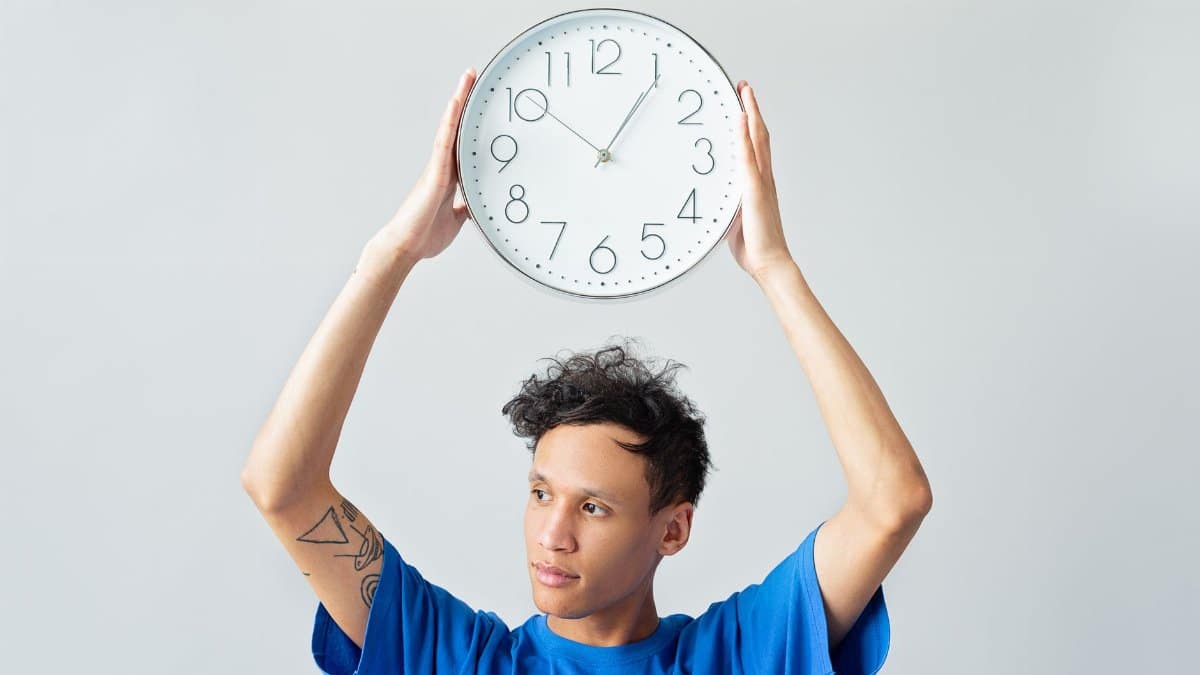
Many individuals find that a stable clock encourages more mindful approaches to how hours are allocated between obligations and rest. Without the jolt of springing forward or falling back personal planning gains a layer of steadiness that some describe as grounding. This consistency might invite deeper consideration of how light influences mood and productivity across different life stages.
Broader Legislative Context and Next Steps
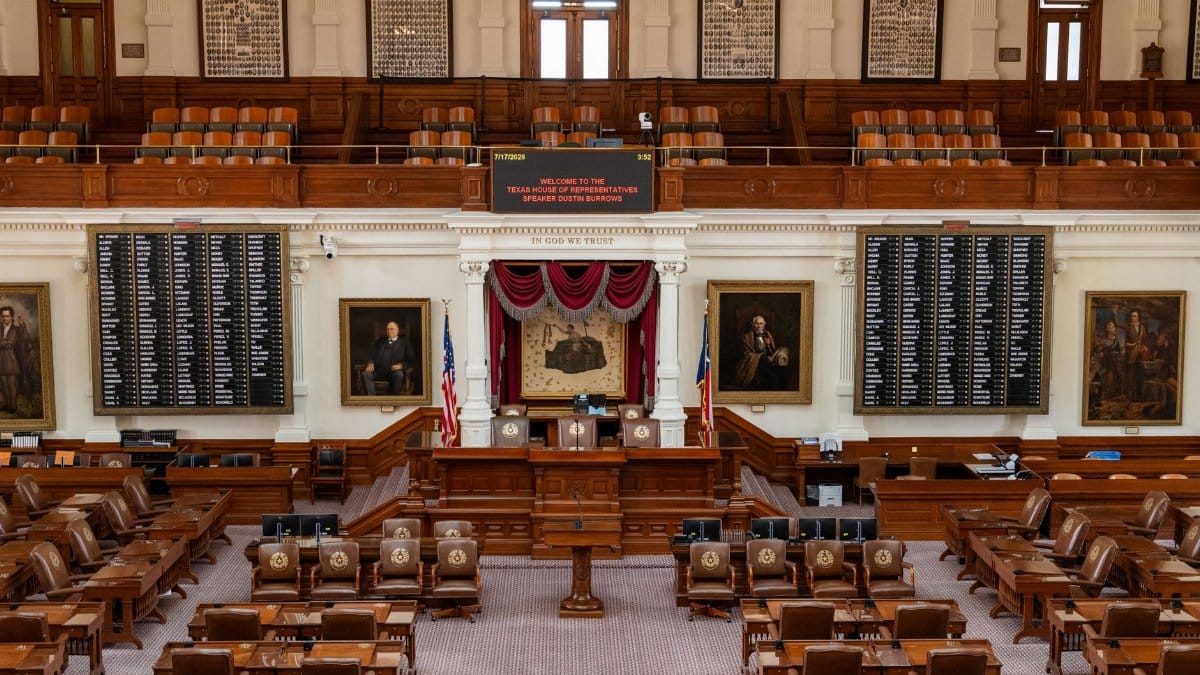
Federal discussions continue alongside state level reviews in California where lawmakers examine compatibility with existing regulations. Public input sessions allow residents to share perspectives on preferred light alignments. Observers expect further debates before any final implementation that would affect millions across multiple time zones.