

On a January morning in Tacoma, the streetlights are still doing most of the work when the first school bus rounds the corner. Parents stand at the curb in heavy coats, watching small figures in reflective strips step into a street that has not yet found the sun. For families following a long debate in Olympia, that dim commute is the practical core of the argument over Washington daylight saving kids and whether a later sunset is worth a darker start to the school day.
A popular idea with a hard morning cost

Permanent daylight saving time has an easy appeal. Summer evenings feel generous. Outdoor sports last longer. Shops and restaurants like the extra light after work. Polls in recent years have often found that many Americans would rather stop changing the clocks than keep the twice yearly ritual. Lawmakers in Washington have heard that message and, at various points, have advanced measures that would keep the state on daylight saving time year round if federal law allowed it.
The trouble is that the same shift which brightens November afternoons also delays sunrise. In the depths of winter, western Washington already wakes late. Move the clock forward and stay there, and many students would leave home, wait for a bus, or walk to school in full dark for weeks at a time. That is not a minor inconvenience. It is a safety question, a sleep question, and a question about who bears the cost of a change sold as convenience.
Why the school bell makes the clock political
Adults can sometimes rearrange a morning. A remote worker can start email after the sky lightens. A commuter can choose a later train. Children, by contrast, move on a schedule set by districts, bus routes, and state rules about instructional time. When the bell rings at the same hour on the clock, a later sunrise does not negotiate. It simply arrives after the students have already left.
That is why educators and parent groups tend to look past the slogan and toward the calendar. December and January are the months that matter. A policy that feels pleasant in June can look very different when a second grader is crossing an arterial before dawn. The phrase Washington daylight saving kids keeps surfacing in hearings and letters because the people most exposed are not the ones voting on the bill.
What the winter sun actually does here
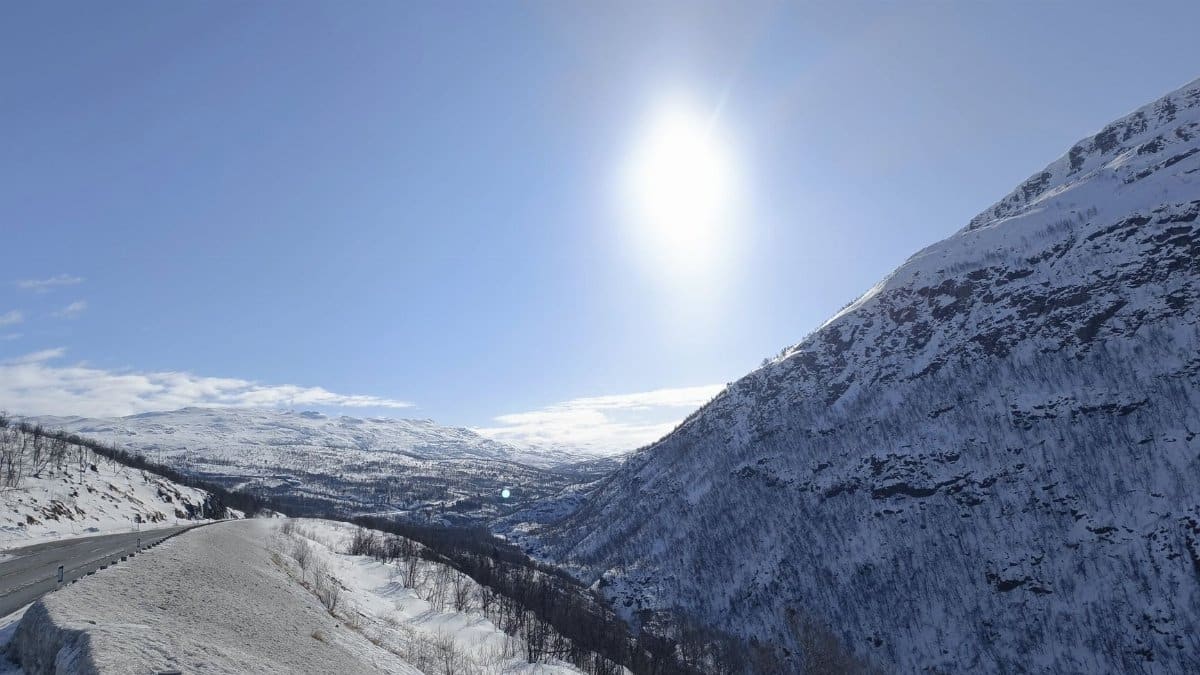
Latitude is not a metaphor in this state. Seattle sits far enough north that winter days are short and gray, and the marine layer can erase what little sun there is. Under standard time, sunrise in the city in late December falls a little before eight in the morning. Under permanent daylight saving time, that same sunrise would land closer to nine. In Spokane the morning is somewhat earlier, but the pattern holds: the sun is late, and school is not.
Eastern Washington districts often start early because buses cover long rural routes. A child who boards at 6:40 would do so in darkness either way during the shortest weeks. Permanent daylight saving time would extend that darkness deeper into the morning for more students, including those in towns where street lighting is sparse and shoulders are narrow. Geography does not split neatly into a single statewide sunrise.
Sleep researchers prefer the earlier clock

Sleep scientists have been unusually blunt about this debate. The American Academy of Sleep Medicine has urged the country to adopt year round standard time rather than year round daylight saving time, arguing that standard time aligns better with human circadian rhythms. The academy’s position is public and plain: later sunsets may feel pleasant, but delayed morning light can worsen sleep, mood, and alertness, especially in winter. Its statement is available at aasm.org.
The mechanism is not mysterious. Morning light is a strong signal to the body clock. When that signal arrives late, adolescents, who already tend toward later sleep, can drift further. Chronic short sleep is linked to poorer attention, more mood trouble, and higher risk on the road for teen drivers. None of that requires a dramatic claim about a single Monday in March. It is the accumulated effect of dark mornings, week after week, that worries clinicians.
The walk, the bus, and the crossing guard
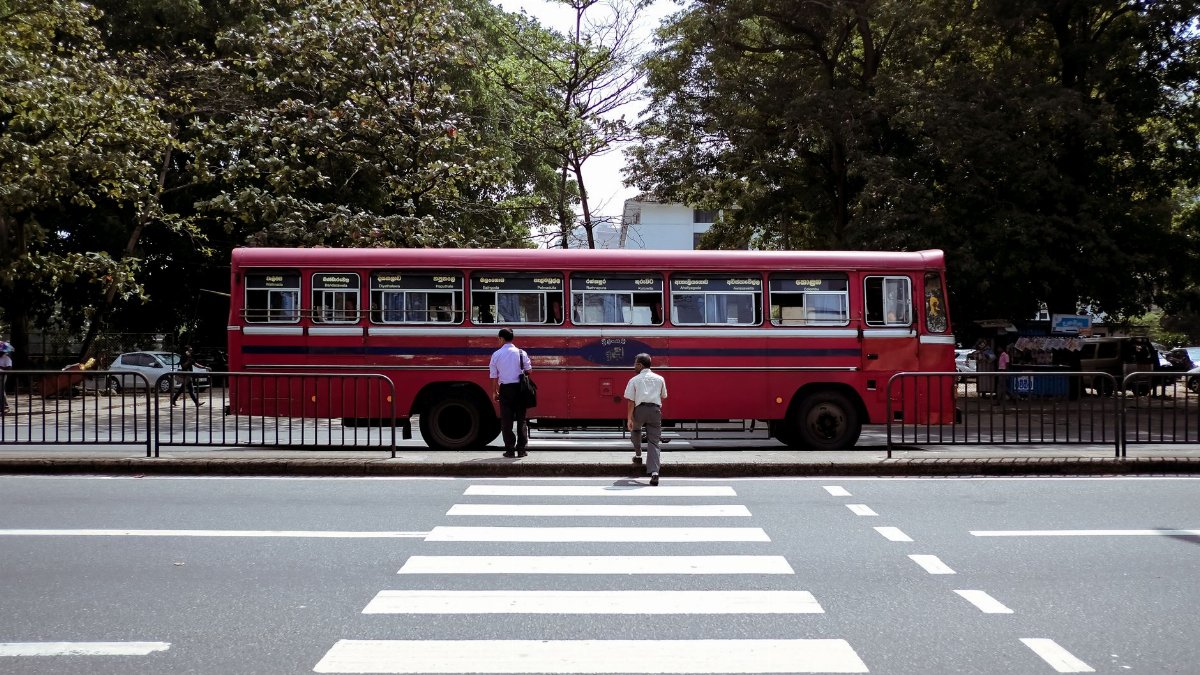
Safety advocates talk less about circadian charts and more about sight lines. A child in a dark coat on a dark road is harder for a driver to see, even with a vest. Rain on a windshield, a glare from oncoming headlights, and a hurried left turn at a school zone are ordinary ingredients of a winter commute. Add an hour of stolen morning light and the margin shrinks.
District transportation directors already juggle driver shortages, long routes, and tight budgets. They cannot invent daylight. Some schools have shifted start times later to help teens sleep, a change many researchers support. Permanent daylight saving time would work against that effort in winter, handing back in darkness what a later bell tried to give in rest. For Washington daylight saving kids, the bus schedule is not a footnote. It is the policy.
Federal law still holds the veto

States are not free to invent their own version of summer time and keep it forever. Under the Uniform Time Act, a state may opt out of daylight saving time and stay on standard time, as Hawaii and most of Arizona do. A state may not, on its own, lock in daylight saving time year round. That step requires Congress. The Department of Transportation explains the framework at transportation.gov.
Washington legislators have therefore often written bills as conditional promises: if Congress acts, the state is ready. That structure lets lawmakers signal support without immediately changing anyone’s morning. It also means families can spend years hearing that a change is imminent when the real decision sits in a different capitol. Meanwhile, the twice yearly switch continues, with its own groggy Mondays and missed appointments.
The case people make for staying on summer time
Supporters are not inventing their benefits. Later daylight after school gives children more time outdoors before dinner. Youth sports, walking home, and neighborhood play all gain from a brighter afternoon. Some business groups argue that evening light supports retail and reduces certain kinds of crime that cluster after dark. Energy savings, once a central justification, are now treated more skeptically by analysts, but the lifestyle argument remains strong for many voters.
There is also a fairness point aimed at the clock change itself. Springing forward is associated, in several studies, with short term spikes in heart problems, workplace injuries, and traffic crashes. Ending the switch would remove that jolt. The disagreement is not about whether the jolt is annoying. It is about which stable clock should replace it. Choosing the later one buys evening light by borrowing it from the morning, and children repay that loan first.
Parents are not a single constituency

Talk to families and the split appears quickly. A parent whose teenager has sports until dusk may welcome a clock that keeps the field lit. A parent whose kindergartner walks two blocks along a busy road may not. Shift workers, farm families, and people who open shops before seven live on yet another timetable. A statewide clock cannot honor all of them.
What it can do is name the tradeoff honestly. If lawmakers want permanent daylight saving time, they should say, in daylight, that winter school mornings will be darker and that districts may need money for lighting, crossing guards, and later starts. If they want to stop the clock changes without that cost, year round standard time is the option already available under federal law. Pretending both goods can be had at once is how this debate stays pleasantly abstract.
What schools could do while the law stands still

Districts do not have to wait for Congress to treat morning risk as real. Later secondary start times, better lighting at stops, reflective gear that students will actually wear, and slower speed zones that are enforced rather than posted are all within local reach. None of them requires a new time zone. They do require budgets and the political will to inconvenience drivers for twenty minutes twice a day.
Families can also keep the science in view when they hear campaign lines about endless summer evenings. A later sunset does not create daylight. It relocates it. For Washington daylight saving kids, relocation is not neutral. It moves light away from the hour when they are smallest, least visible, and least able to choose when they travel.
A clearer standard for the next bill

The next time a permanent daylight saving bill surfaces, the useful question is not whether people dislike changing their clocks. Most do. The useful question is which hour the state is willing to darken, and for whom. If the answer is the school morning, the bill should arrive with a plan for buses, crossings, and start times, not only with a promise of golden evenings.
I have stood at enough dark curbs, notebook in a cold hand, to know that parents already do a private calculation every winter. They count cars. They count minutes until the sky grays. They decide whether today is a walking day. Public policy should be at least as concrete as that calculation. Until it is, the safest reading of the evidence is the unfashionable one: keep the option to stop the switch, but do not purchase evening light with the morning safety of children.
Standard time will not make December feel like June. Nothing on a clock can. It can, however, put sunrise closer to the hour when Washington daylight saving kids are already required to be outside. That is a modest good. In a short northern day, modest goods are the ones worth keeping.