
On a gray morning in West Philadelphia, the kind of light that flattens the brick and makes the hospital doors look heavier than they are, a number arrived with the force of a promise. The University of Pennsylvania said it would commit $35 million to a Penn brain cancer center built to develop treatments for cancers that still take lives with cruel speed. For anyone who has kept a vigil in a neurology waiting room, the sum is not a press release flourish. It is a wager that surgeons, laboratory teams, and trial nurses can gain ground on a disease that has long refused the usual rules of medicine.
A number that has to mean something

Thirty five million dollars will not rewrite biology by itself. In academic medicine, though, a sum of that size can change what a campus is willing to attempt. It can underwrite shared equipment, recruit scientists who might otherwise stay in industry, and keep a clinical trial open long enough for an honest answer. Penn framed the gift as a center, not a single laboratory, which matters. Brain cancer does not yield to one specialty. It asks neurologists, neurosurgeons, radiation oncologists, pathologists, and data scientists to sit at the same table and argue productively.
Readers should treat the announcement as a beginning rather than a cure. Centers rise and fall on whether the money stays focused, whether patients can actually reach the trials, and whether failure is reported with the same clarity as hope. The public record so far is the commitment itself: a new home, inside a university already known for cancer science, aimed at tumors of the brain that remain among the deadliest diagnoses in adult medicine.
Why these tumors humble ordinary plans
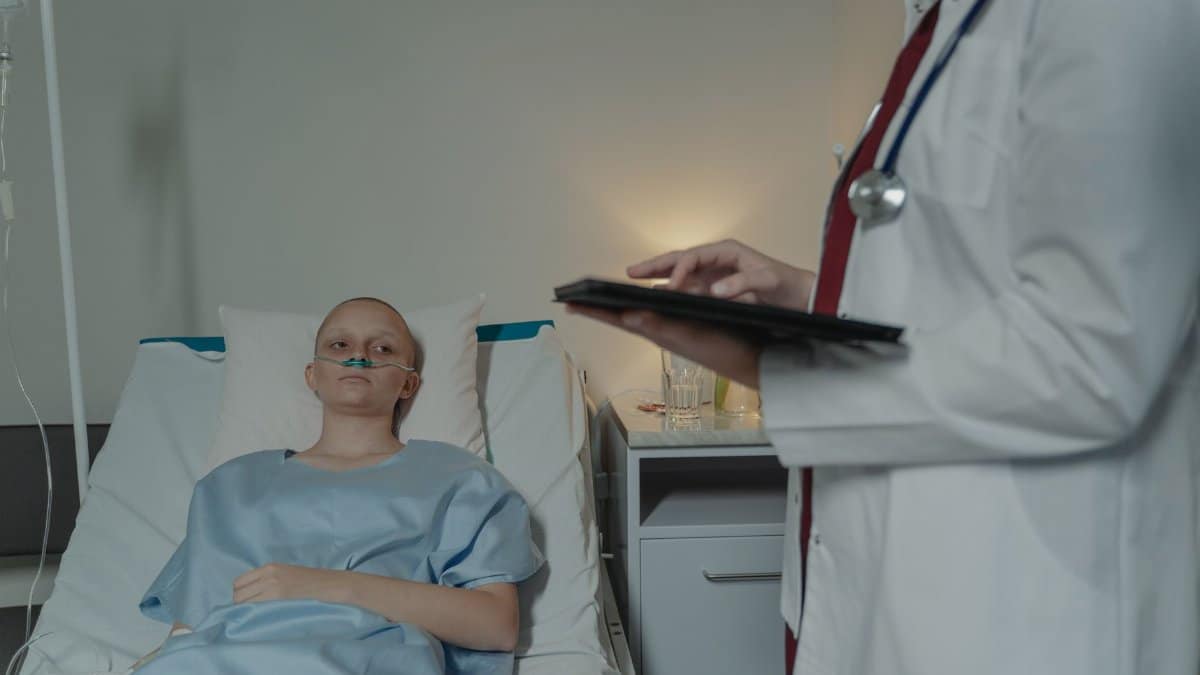
Brain cancers are not one illness. Some grow slowly and can be watched. Others, especially aggressive glial tumors, expand through tissue that cannot simply be cut away without cost to speech, movement, or memory. The skull is a closed room. Swelling has nowhere to go. Drugs that work elsewhere in the body often fail to cross into the brain in useful amounts. Radiation can help and can also injure the very functions a person is fighting to keep.
That biology explains the tone around this investment. Families hear statistics that feel like verdicts. Clinicians learn to speak in ranges, not guarantees. A center devoted to treatment development is, in part, an admission that the standard sequence of surgery, radiation, and chemotherapy has not been enough for too many patients. The work ahead is less a sprint than a long correction of old assumptions.
What development actually looks like
Treatment development is a chain, and every link can break. A scientist notices a weakness in tumor cells. A chemist or engineer tries to exploit it. Animal studies, imperfect as they are, test whether the idea harms more than it helps. Only then does a protocol reach people, under rules meant to limit harm and to record what happened. Most ideas die in that passage. The ones that survive still need years of follow up, a phrase clinicians use when they mean watching, measuring, and refusing to declare victory early.
A well run center tries to shorten the dead time between those stages without skipping the caution. It puts tumor samples, imaging, and clinical notes in conversation. It asks whether a patient who cannot travel across the country can still join a study closer to home. It treats nursing schedules and pharmacy logistics as part of science, because a brilliant molecule that cannot be delivered on time is not a treatment.
The patients who carry the calendar

I have stood near enough to these illnesses, as a reporter and as a son of a city full of teaching hospitals, to know that the first week after diagnosis rearranges a household. Someone becomes the note taker. Someone else learns the names of drugs they never wanted to pronounce. Children ask questions adults cannot answer cleanly. Work email goes quiet, then returns with a cruelty all its own.
Any account of the Penn brain cancer center that stays only in the laboratory misses that room. The moral claim of the money is not prestige. It is whether a person diagnosed next year has a wider set of options than a person diagnosed last year, and whether those options are explained without salesmanship. Hope is not a slogan. It is a schedule: the next scan, the next consent form, the next night of ordinary dinner if the day allows it.
How a campus earns the right to try
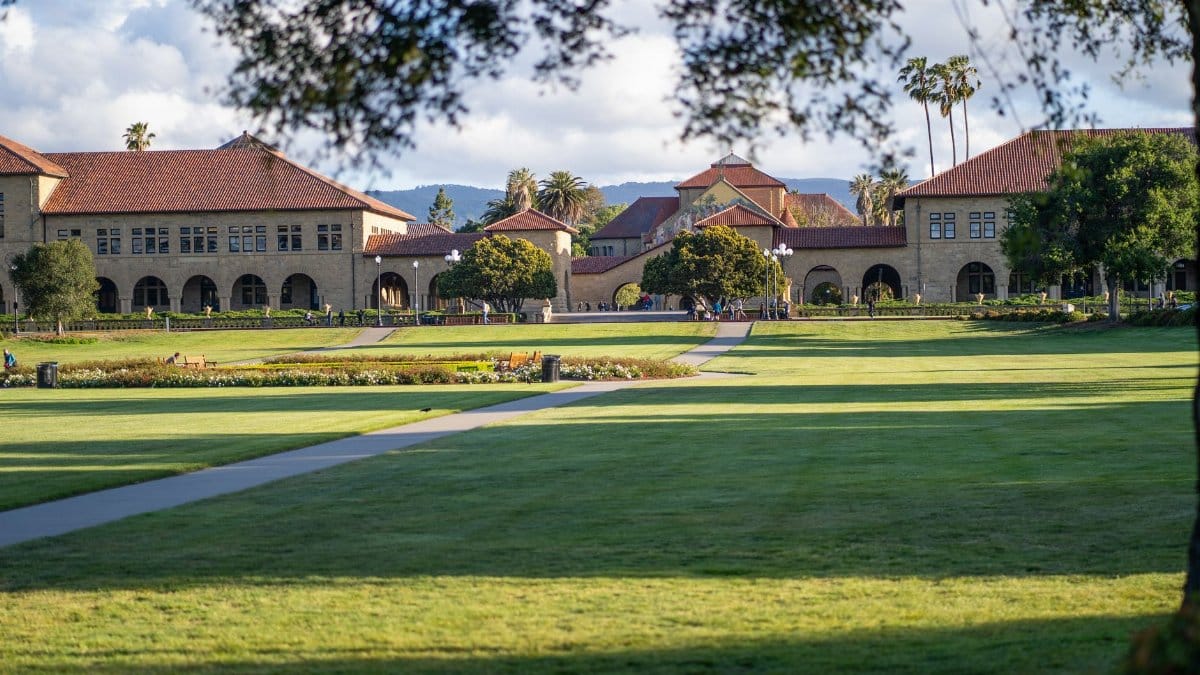
Penn already holds a deep bench in cancer research, cell therapy, and neurosurgery. That history is why a new center can be more than a sign on a door. Talent accumulates. So do habits: tumor boards that start on time, pathologists who save tissue properly, trial coordinators who return phone calls. Those habits are unglamorous and decisive.
The risk with a famous university is that announcement and achievement get confused. A gift can attract attention before a single new protocol enrolls. The healthier reading is institutional. Philadelphia has long sent its hardest cases to academic hospitals and has long asked those hospitals to justify the trust. A brain cancer center lives or dies by whether community oncologists trust it enough to refer, and whether referred patients are treated as partners rather than as data.
Money, governance, and the unpretty questions

Large gifts raise plain questions that polite coverage sometimes skips. Who decides which projects are funded inside the center? How much of the sum is endowment, and how much must be spent in the near term? Will industry partnerships accelerate drugs or tilt the questions toward what a company can sell? Are trial slots distributed with attention to patients who lack insurance navigation, paid leave, or a car?
None of those questions indicts the gift. They are the adult terms of medical philanthropy. Brain cancer research has sometimes clustered in wealthy academic zip codes while the burden of disease does not. A center that publishes only in journals its neighbors cannot read has done half a job. Transparency about governance, conflicts, and who gets enrolled would be a fitting companion to the dollar figure.
Trials as a form of honesty

Clinical trials are often described as doors to tomorrow. They are also instruments of discipline. A protocol says in advance what will count as benefit and what will count as harm. It limits the human tendency to remember the patient who improved and forget the patient who did not. For brain tumors, endpoints are especially fraught. A scan can look better while a person speaks less clearly. Survival can lengthen by weeks that feel both precious and insufficient.
The center will be judged, over time, by the quality of those designs more than by the ribbon cutting. Readers should look for studies that compare new approaches with real alternatives, not with straw versions of older care. They should look for results that include people older than the typical trial volunteer, and for side effects described in language a family can use at the kitchen table.
Faith, presence, and the limits of expertise

This news lands in a culture that still reaches for prayer when medicine runs thin. That is not a failure of science. It is a description of being human in front of a diagnosis that threatens identity itself. Memory, humor, the ability to recognize a spouse: these are not side issues. They are the person. Chaplains, congregations, and quiet friends often do work that no grant can invoice.
A research center need not preach to honor that fact. It can make room for spiritual care beside protocol nurses. It can avoid the false choice between belief and evidence. Many families hold both, awkwardly and faithfully, and they deserve clinicians who do not sneer at either. The spiritual question hiding inside the budget is simple. Will this place help people remain themselves for as long as medicine allows, and will it tell the truth when it cannot?
What families should ask in the meantime

While the center organizes itself, patients still need care this month. A useful conversation with a doctor includes the exact tumor type, the molecular features if they are known, and whether a trial is appropriate now or later. Second opinions at academic centers are common in this field and should not be treated as disloyalty to a local physician. Rehabilitation, seizure control, and support for caregivers are treatment, not extras.
It also helps to ask how information will travel. Who calls with scan results? What symptoms should prompt an emergency visit? Which costs are covered, and which are not? These questions do not require a new building. They require time, and time is the currency brain cancer spends fastest. A center that trains clinicians to protect that time will have done something measurable even before a novel drug arrives.
The city around the hospital
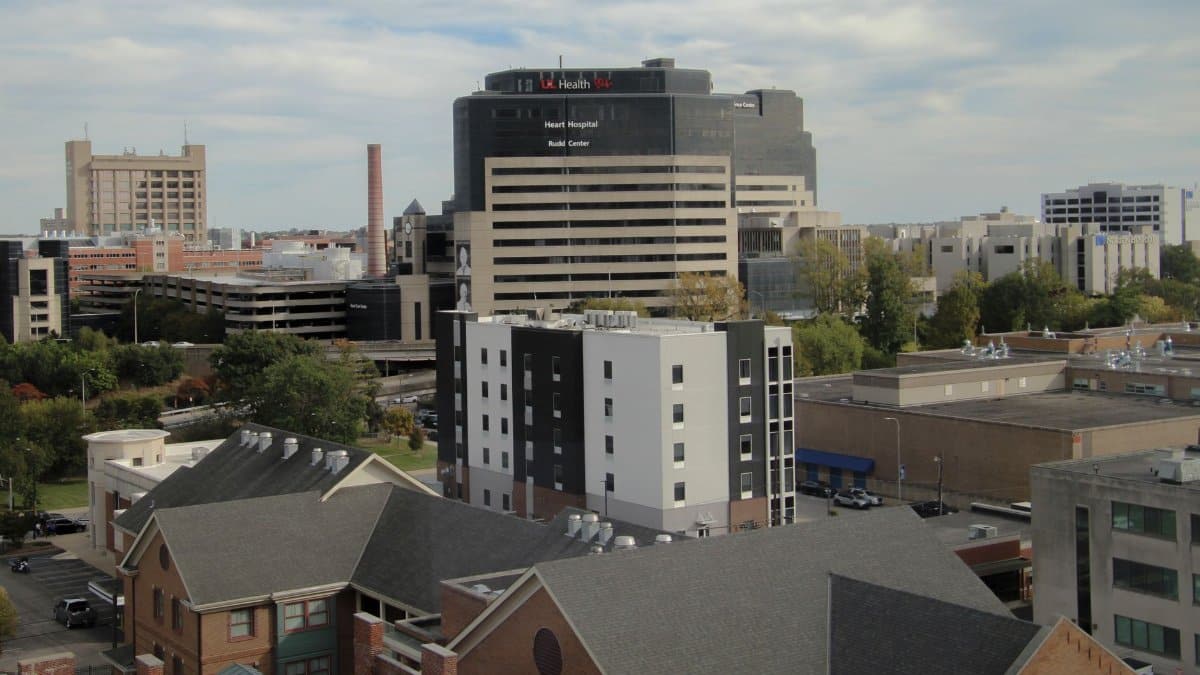
Philadelphia is not a backdrop. It is a dense map of row houses, bus lines, and parish halls whose residents will decide, by showing up or not, whether the center is a regional resource or a campus project. Parking, language access, and evening hours sound administrative until you are the person trying to reach an infusion chair after a shift. Trust, once spent by a health system, is slow to return.
The announcement invites a civic response as well as a scientific one. Employers can treat trial days as legitimate medical leave. Insurers can stop making families into full time appeals writers. Neighbors can bring food without demanding a performance of optimism. None of that replaces a laboratory. All of it determines whether the laboratory’s gains reach the people whose suffering justified the gift.
Measures worth watching

Over the next several years, a few public signs would tell a careful reader whether the investment is working. Are new trials opening, and are they enrolling beyond a narrow demographic? Are negative results published, not buried? Do trainees stay in brain cancer rather than drifting to easier fields? Is there a visible path from a discovery in a Penn lab to a protocol a patient in the region can join?
Skepticism here is a form of respect. Brain cancer has absorbed decades of confident predictions. Families have heard about breakthroughs that later shrank into footnotes. The honest standard is incremental and documented: longer survival where it can be shown, better function where survival cannot yet move, and fewer people left to assemble a plan from internet fragments at midnight.
A longer view than the headline

The Penn brain cancer center will be remembered, if it is remembered well, not for the day the number was released but for the ordinary Tuesdays that follow. A technician labels a sample correctly. A coordinator finds a ride. A scientist kills a beloved hypothesis because the data demand it. A physician says, plainly, what is known and what is not. Those acts do not photograph well. They are the substance of the promise.
Thirty five million dollars can buy focus. It cannot buy certainty. Readers who love someone with this disease already understand that distinction better than any institution. What they are owed is a center that spends the money as if their time were the scarce resource, because it is. If Penn keeps that order of value, the announcement will have been worthy of the morning it interrupted.