
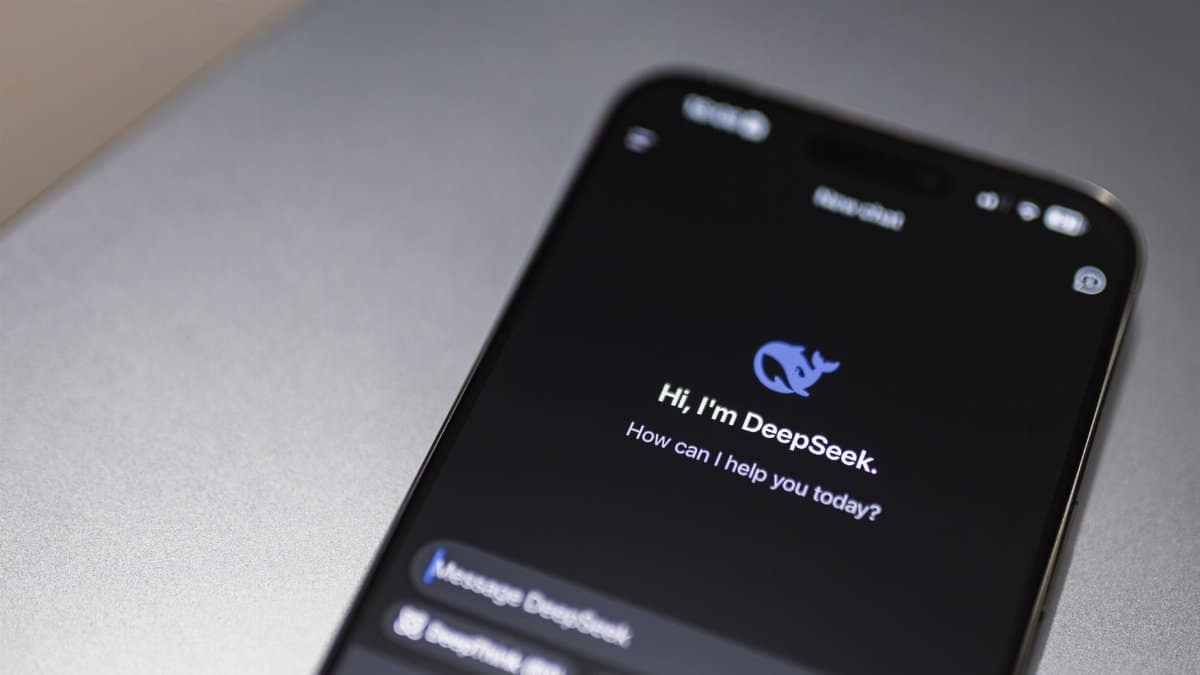
In the charged atmosphere of San Francisco local elections a fresh controversy has surfaced involving advanced technology and political rivalry. Nancy Pelosi has leveled charges against the team supporting Scott Wiener suggesting they turned to digital means to undermine a competitor named Connie Chan. The situation draws attention to the Pelosi Wiener AI chatbot and its role in what critics describe as satirical attacks that blur lines between humor and harassment during campaigns.
Roots of the Political Tension

The dispute traces back to recent primary contests where candidates vied for influence in key districts. Observers note longstanding divides within the Democratic Party over issues such as housing policy and public safety. These differences created fertile ground for sharp exchanges that now incorporate novel instruments like automated response systems.
Role of Digital Tools in Elections
Campaigns increasingly rely on software to engage voters and shape messages. Automated systems can generate content at high speed allowing rapid replies to events or opponents. Yet this speed also invites misuse when the output mocks or distorts the positions of rivals without clear accountability.
Details Behind the Accusation

Pelosi stated that materials circulated online appeared to stem from a programmed entity designed to imitate and belittle Chan. Supporters of Wiener rejected the claim insisting any such activity was independent and not directed by the official effort. The exchange escalated through public statements and social media posts.
Reactions from Party Figures

Other elected officials weighed in with some calling for clearer rules on artificial intelligence in public discourse. They argued that voters deserve transparency about the origins of campaign related material. Silence from certain quarters suggested discomfort with the rapid evolution of these methods.
Broader Effects on Public Trust
Incidents of this kind can erode confidence in the electoral process as citizens wonder which voices are genuine. When satire crosses into coordinated mockery the line between free expression and manipulation becomes harder to discern. Analysts suggest greater scrutiny may follow in future races.
Ethical Questions Raised by Automation

The deployment of such chatbots prompts reflection on responsibility in political communication. Developers and candidates alike face choices about limits on what algorithms may produce. Without guidelines the potential for unintended harm grows with each cycle of innovation.
Historical Parallels in Campaign Tactics

Past elections featured similar efforts to lampoon opponents through cartoons or anonymous pamphlets. Modern versions simply accelerate the process and widen the reach. The core dynamic of seeking advantage remains familiar even as the instruments change.
Impact on the Candidates Involved
Chan described the episode as distracting from substantive policy debates. Wiener maintained focus on his platform while distancing his operation from the disputed content. Both sides now navigate a landscape where digital accusations travel quickly and linger.
Future of AI in Political Arenas

Experts anticipate more widespread adoption of automated assistants for everything from voter outreach to message testing. Regulatory responses could range from disclosure requirements to outright restrictions on certain uses. The current episode may serve as an early test case for those discussions.
Public Response and Media Coverage

Residents expressed mixed views with some amused by the creativity and others concerned about civility. News outlets amplified the story prompting wider awareness beyond the immediate district. This amplification in turn fueled additional commentary across platforms.