

Patients across California have voiced growing frustration with the private dispute resolution methods employed by large health care systems. One prominent example involves the way certain medical groups handle complaints from members who feel wronged by treatment decisions or coverage denials. Advocates argue that the system lacks transparency and fairness, prompting calls for legislative changes known as Kaiser arbitration reform. Families describe prolonged delays and limited opportunities to present evidence when pursuing claims against their insurer. The process often leaves individuals feeling isolated as they confront teams of corporate lawyers behind closed doors. Lawmakers are now examining proposals that could introduce greater public accountability into these proceedings.
The Historical Context of Private Arbitration Agreements

Arbitration clauses in health plan contracts emerged decades ago as a way to reduce court backlogs and control legal expenses. Over time these provisions became standard in many large provider networks including those affiliated with Kaiser. Patients signed on without always grasping how the rules might limit their options for appeals or jury trials. Courts generally upheld such agreements citing freedom of contract principles. Yet critics contend that the balance of power tilts heavily toward the insurer from the outset.
Patient Experiences with the Current Process

Individuals who have gone through arbitration describe a setting where the selection of neutral decision makers raises concerns about impartiality. Some report that arbitrators hear dozens of cases involving the same health plan each year creating potential familiarity that works against claimants. Documentation requirements can also prove burdensome especially when medical records span years of treatment. One mother recounted waiting months only to receive a brief written ruling with little explanation of the reasoning.
Advocacy Efforts Driving Legislative Attention

Consumer groups and trial lawyers have joined forces to draft bills that would add oversight mechanisms. Their proposals include requirements for public reporting of arbitration outcomes and limits on repeat arbitrators. Hearings in Sacramento have featured testimony from former Kaiser members who felt the system failed to deliver meaningful remedies. These advocates emphasize that reform would not eliminate arbitration but would make it more balanced for all parties involved.
Legal Precedents Shaping the Debate

State and federal courts have issued mixed rulings on the enforceability of arbitration terms in medical settings. Some decisions stress consumer protection statutes while others prioritize contractual language. Lawmakers studying Kaiser arbitration reform are reviewing these cases to craft language that survives judicial scrutiny. Attorneys note that any new statute must avoid running afoul of federal arbitration policy that favors private resolution.
Comparison with Other States Approaches

Several states have experimented with modifications to health care arbitration rules. Some require disclosure of arbitrator backgrounds or cap administrative fees charged to patients. California officials are monitoring these experiments as they consider their own measures. Differences in population size and court capacity mean direct copies may not fit local conditions yet the underlying goal of perceived fairness remains consistent.
Potential Economic Impacts on Health Plans

Insurers warn that expanded regulation could raise operational costs ultimately affecting premiums paid by millions of members. They argue that current arbitration keeps disputes from clogging public courts and allows faster resolution than traditional lawsuits. Supporters of change counter that hidden expenses borne by patients in the form of uncompensated harm represent a larger societal burden that reform could address.
Next Steps for Proposed Legislation
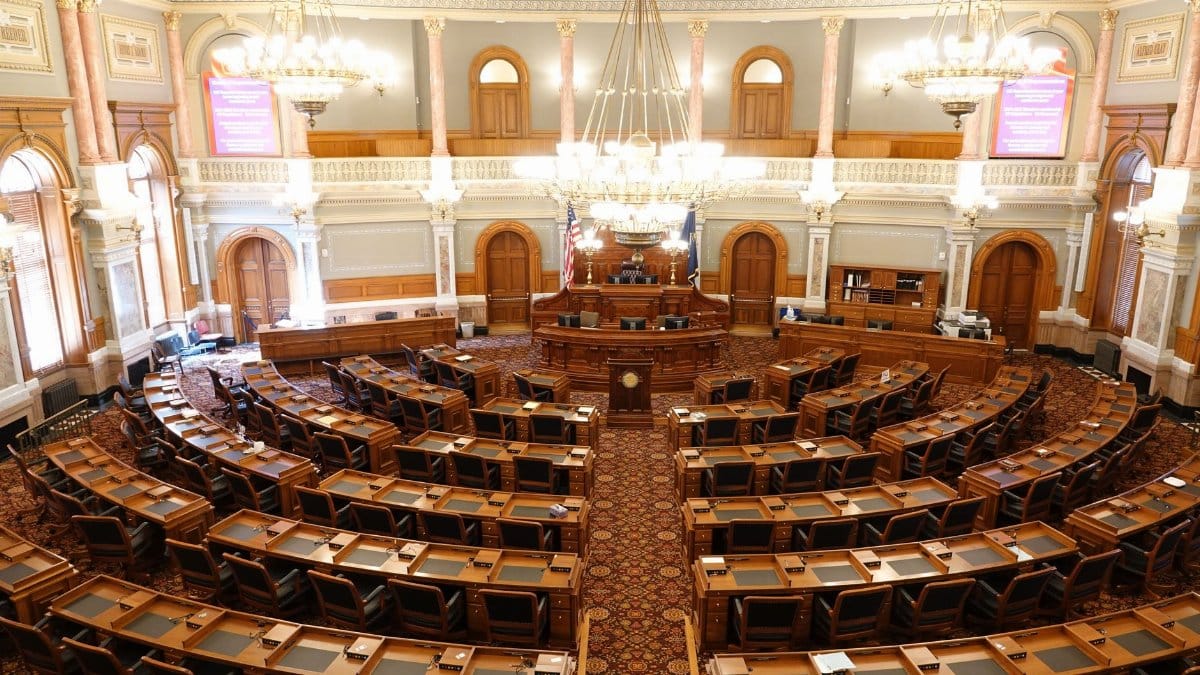
Committees are expected to refine bill language through the coming months with possible amendments based on stakeholder input. Public comment periods will allow additional patient stories to enter the record. Observers predict that any final measure will seek middle ground between preserving efficient dispute handling and restoring confidence in the fairness of outcomes. The trajectory of Kaiser arbitration reform will likely influence similar discussions in other large provider systems nationwide.