
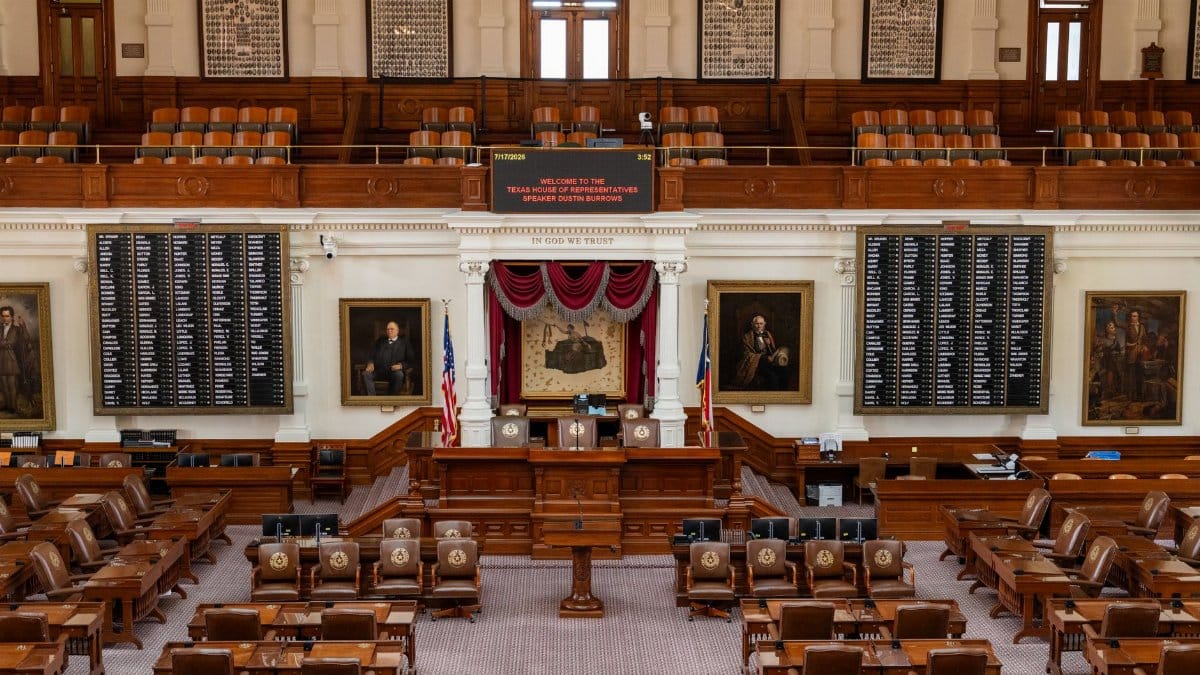
In recent disclosures from campaign accounts former members of the Texas delegation to the national legislature allocated significant resources to upscale restaurants and lodging during their concluding period in service. Such allocations bring attention to Texas Congress spending as a window into resource management by those exiting public roles. Observers note that these choices may reflect both personal comforts and strategic networking in the lead up to new endeavors. The data paints a picture of how funds raised for political purposes found their way into high profile venues across the state and beyond.
Examination of Specific Dining Choices
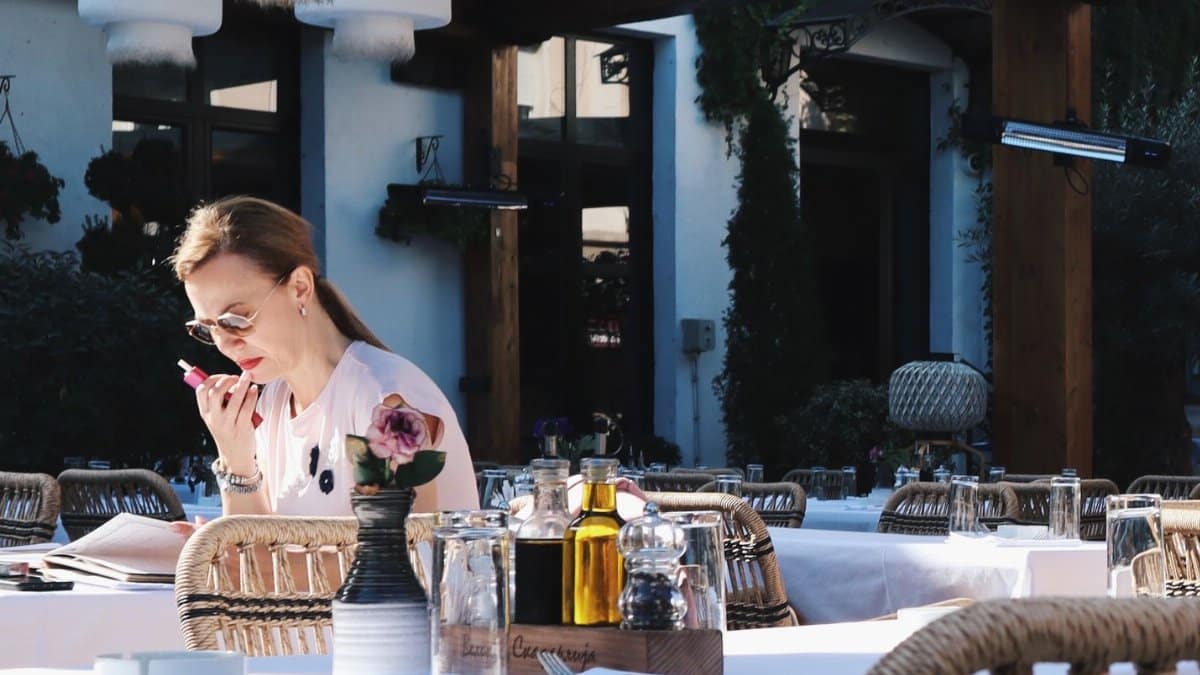
Records indicate repeated visits to well regarded steakhouses in major cities where lawmakers gathered with supporters and staff. These meals often exceeded typical per person costs seen in routine business settings. The pattern suggests an emphasis on creating memorable experiences rather than simple sustenance during busy schedules. Over time such expenses accumulated into notable totals that stand out when compared to other categories like office supplies or basic travel.
Hotel Accommodations and Overnight Stays

Alongside food outlays the filings show frequent bookings at premium properties for short and extended periods. These stays coincided with events and meetings that may have served both official and personal interests. The choice of locations near airports and downtown areas points to convenience as a factor yet the price points invite scrutiny about necessity. In several cases the duration extended beyond what might be expected for standard work trips.
Travel Related Outlays in the Final Period

Airfare and ground transportation added to the overall picture with multiple trips logged in the months before departure. Some journeys appeared tied to farewell gatherings while others connected to ongoing legislative matters. The combination of these costs with lodging created clusters of activity that drew attention during routine audits. Analysts suggest such spending can signal a winding down phase where personal priorities blend with remaining duties.
Insights from Finance Disclosure Reviews

Public filings provide the primary source for understanding these trends yet they leave room for interpretation about intent. Cross referencing with calendars and event announcements helps clarify contexts but full pictures remain elusive without direct input from those involved. Texas Congress spending in this instance aligns with similar reports from other states where departing officials settle accounts in distinctive ways.
Perspectives from Political Observers

Commentators familiar with campaign norms describe the activity as within bounds though notable for its concentration. They point out that donor expectations often include certain levels of hospitality which can justify higher end selections. At the same time the visibility of these choices in the final stretch can influence public perceptions about accountability in elected service.
Effects on Subsequent Political Efforts

The documented approaches may shape how future candidates approach their own resource allocation especially near term limits or retirement. Lessons drawn could encourage greater emphasis on restraint or more detailed justifications in reports. Over successive cycles such examples contribute to evolving standards within the broader system of political finance.
Connections to Larger Institutional Patterns

This episode fits into ongoing discussions about how campaign resources support the daily realities of congressional life. While individual decisions vary the aggregate view from Texas Congress spending data offers one lens on national trends. Continued attention to these details supports informed views among citizens who follow public service developments.