
In the remote stretches of West Texas where rugged mountains meet the Rio Grande the conversation about security measures often ignores how little activity actually occurs. Vast protected lands draw visitors seeking solitude yet proposals for new construction threaten to alter that peace. The Big Bend border opinion shows that limited crossings do not warrant expensive projects capable of damaging ecosystems and tourism alike.
Numbers of Crossings Remain Low in This Area

Government records indicate that attempts to enter without authorization stay far below levels seen elsewhere along the southern line. Rangers and local officers report only scattered incidents each year often involving individuals seeking work rather than organized efforts. This reality makes broad building plans seem mismatched to the situation on the ground.
Proposed Roads Would Cut Through Protected Lands
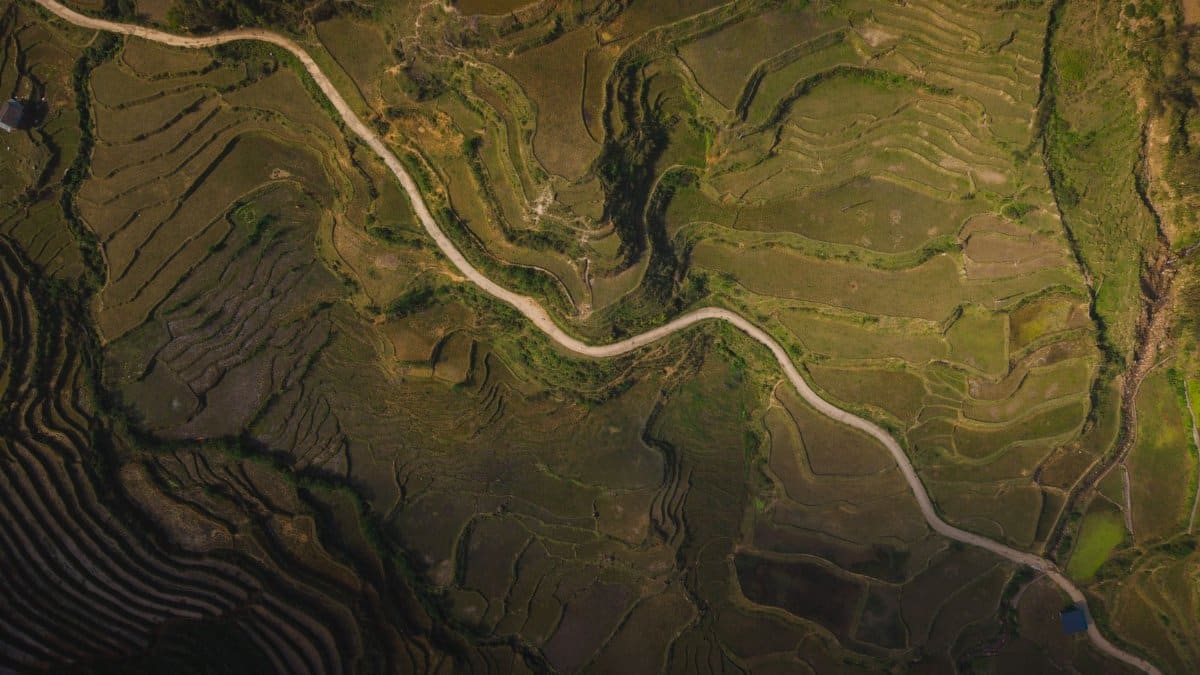
New paths for vehicles could fragment habitats that support rare plants and animals found nowhere else. Construction dust and noise might drive away species already under pressure from climate shifts. Visitors who come for pristine views could face scarred landscapes instead.
Barriers Bring High Costs With Limited Returns
Estimates for such work run into many millions of dollars per mile when maintenance and access routes receive full accounting. Funds spent here could support technology like sensors or increased patrols that adapt to actual patterns. Taxpayers deserve scrutiny of whether results justify the outlay.
Local Residents Express Concerns Over Changes
Ranchers and business owners near the parks worry that heavy equipment and permanent structures will disrupt daily life and reduce appeal for guests. Many depend on park tourism for income and fear fewer travelers if the area loses its wild character. Their voices add practical weight to calls for restraint.
Conservation Efforts Face New Pressures

Groups dedicated to preserving the region note that added infrastructure could reverse decades of habitat recovery. Water sources already strained might suffer further from runoff during building phases. Long term monitoring would become harder amid ongoing disturbance.
Comparisons to Busier Border Zones Miss Key Differences
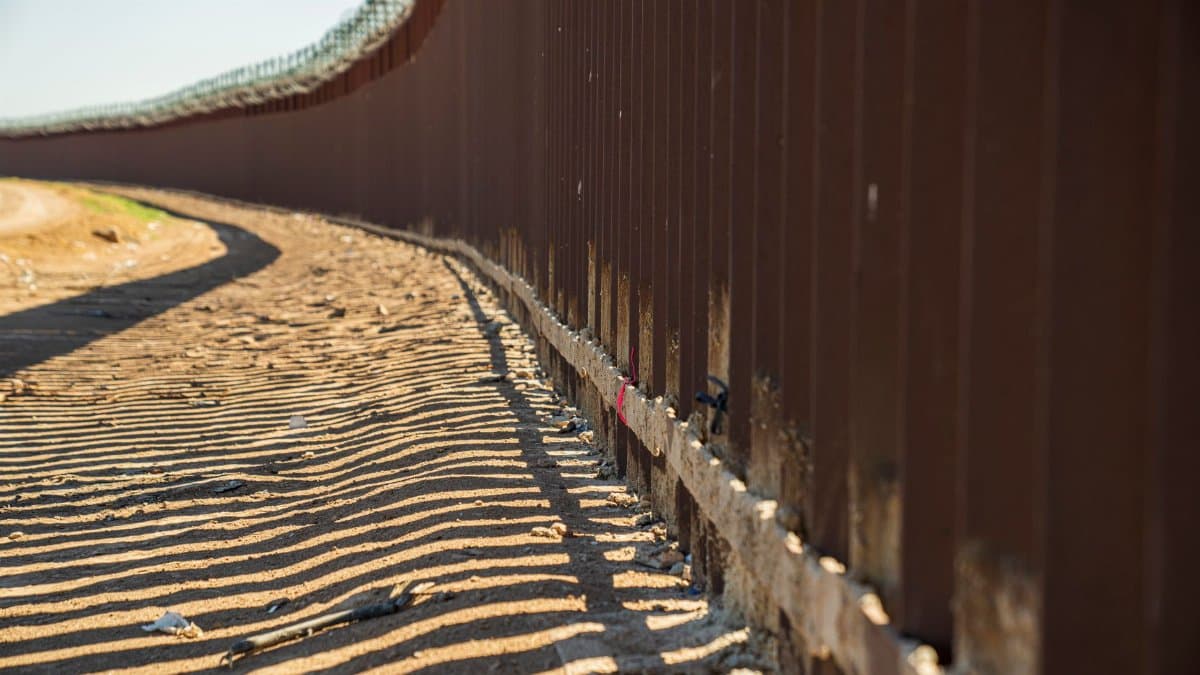
Urban sectors with dense populations require different approaches than open desert terrain. What works near cities does not translate directly to places where natural features already limit movement. Tailored responses fit better than one size fits all tactics.
Alternative Security Measures Offer Flexibility

Mobile units and aerial surveillance allow quick shifts when patterns change without permanent marks on the land. Cooperation with Mexican counterparts can address root causes through economic programs on both sides. Such steps respect the low volume while maintaining vigilance.
Public Input Shapes Better Policy Outcomes
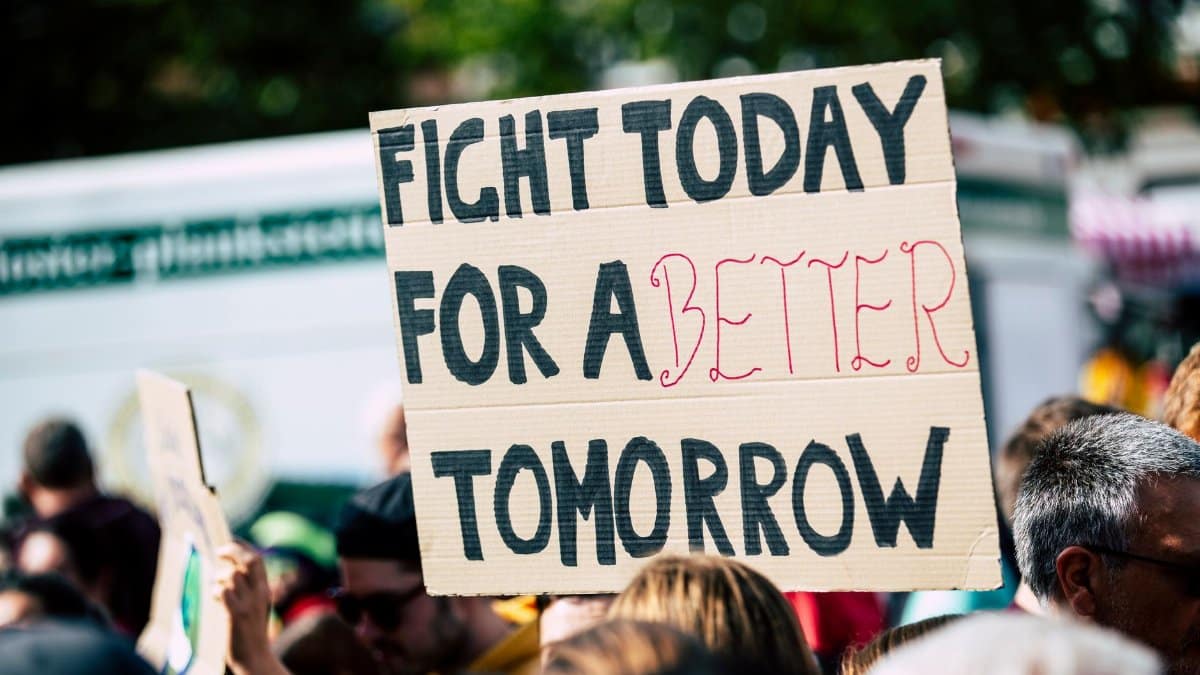
Hearings and comment periods give communities chances to review details before commitments lock in. Past projects show that early feedback prevents costly revisions later. Transparent processes build trust and produce solutions aligned with real needs.