
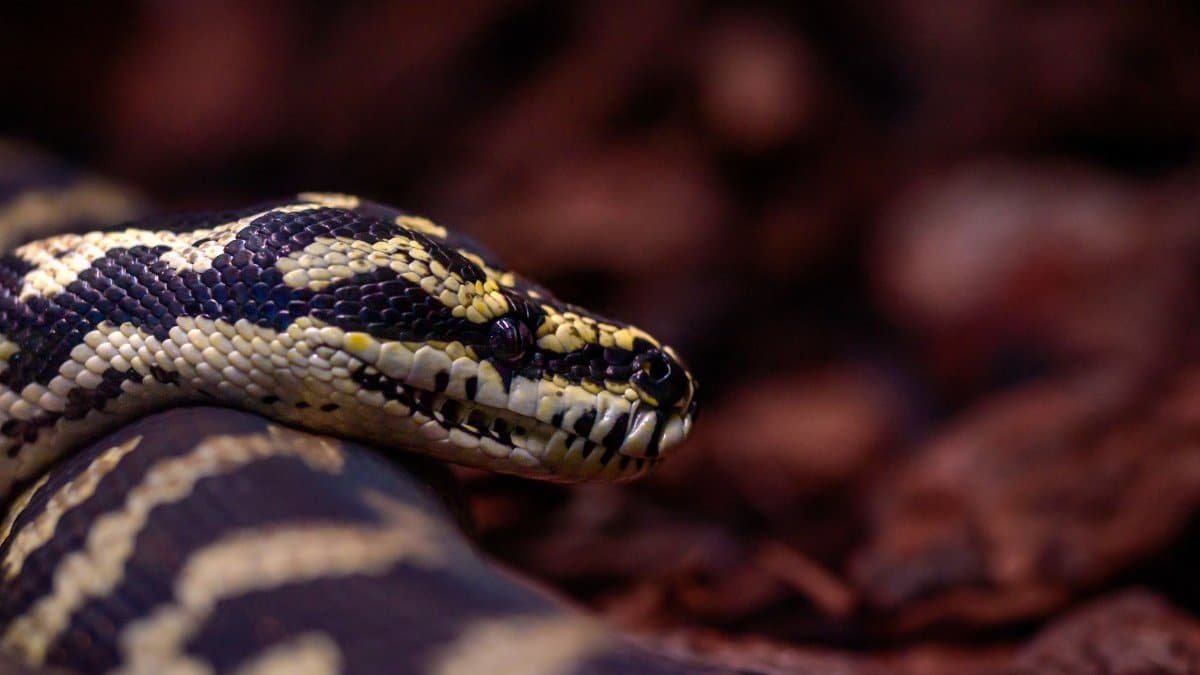
In the vast wetlands of south Florida a dedicated group of biologists and skilled hunters moves quietly through tall sawgrass and shallow water in search of an elusive intruder. Their work forms part of a coordinated push known as Florida Python Removal Everglades that targets Burmese pythons during the months when the snakes are most active and visible. The animals arrived decades ago through the pet trade and have since multiplied beyond easy control leaving lasting marks on the balance of local wildlife.
The extent of the python population
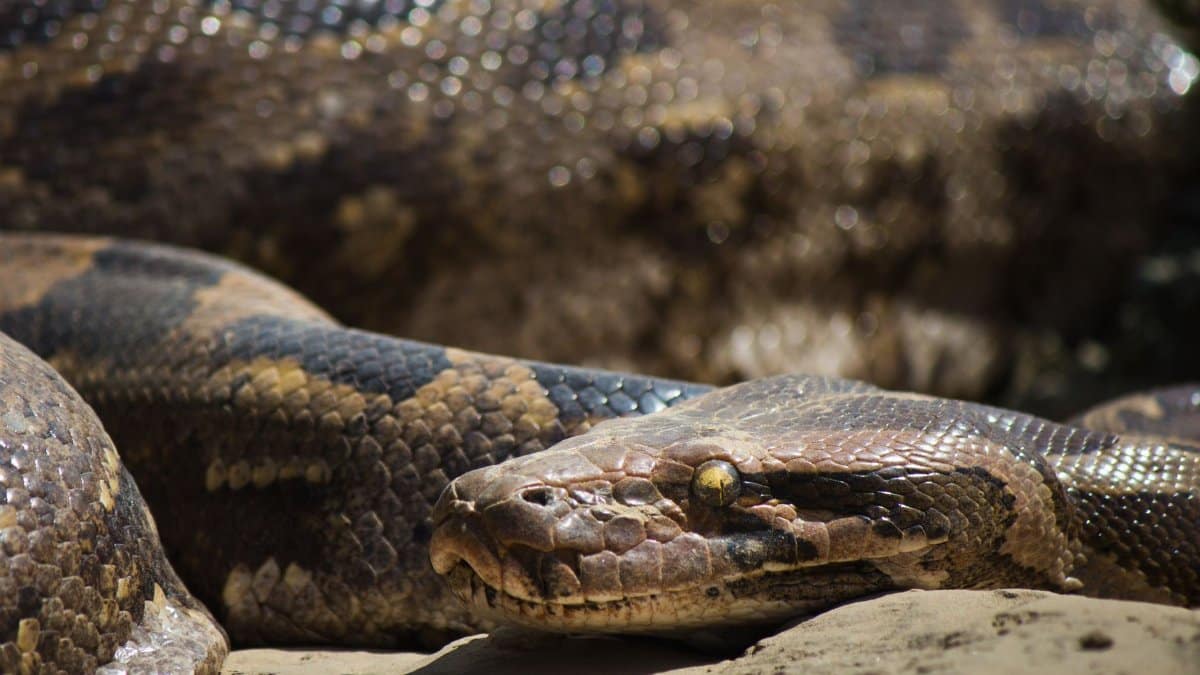
Surveys conducted across protected wetlands show thousands of pythons now occupy territory once dominated by smaller native reptiles and mammals. Sightings have spread from remote interior zones outward toward developed edges creating a widening footprint that challenges traditional management approaches. Officials track movements through a combination of radio tags and public reports that help map new concentrations each season.
Teams involved in capture operations
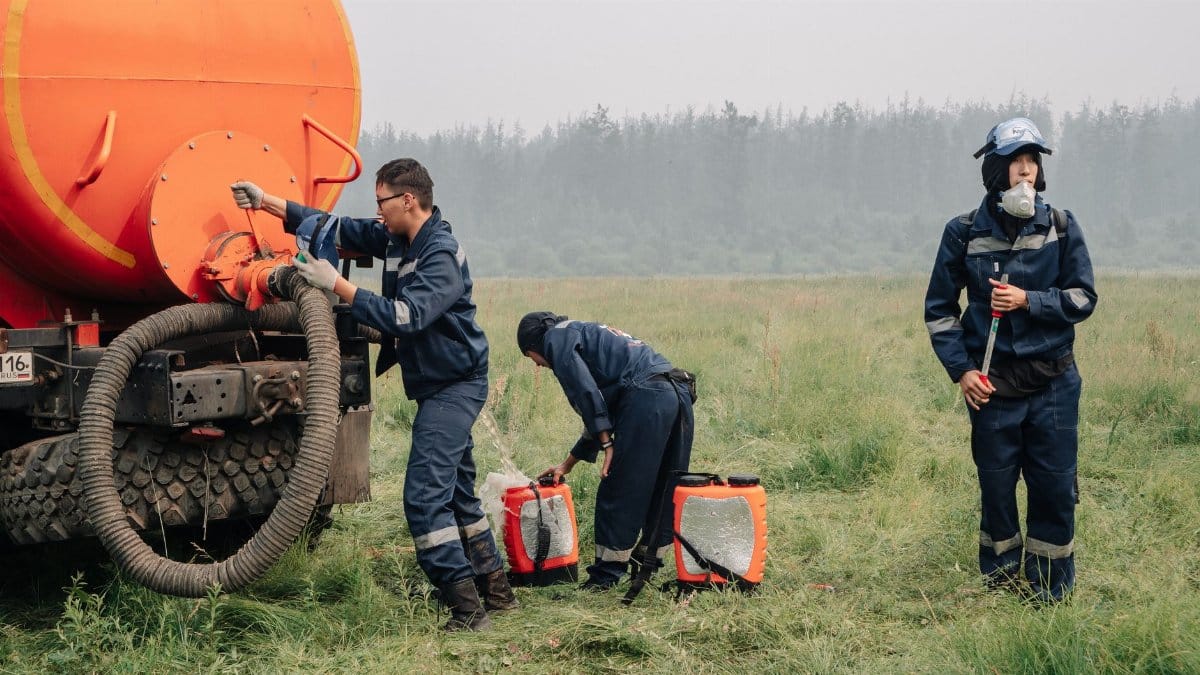
State agencies partner with experienced private contractors who spend long days wading and boating in remote sections. These groups receive specialized permits and follow strict protocols that emphasize humane handling and rapid removal. Coordination with research institutions allows data from each capture to feed into broader population models used for planning future sweeps.
Focus during breeding periods

Spring and early summer bring heightened activity as females seek mates and suitable nesting sites. Removal efforts intensify during this window because encounters rise and the chance of intercepting multiple animals improves. Teams adjust patrol routes to cover known travel corridors where scent trails and tracks become more evident in the soft mud.
Effects on native animals and birds
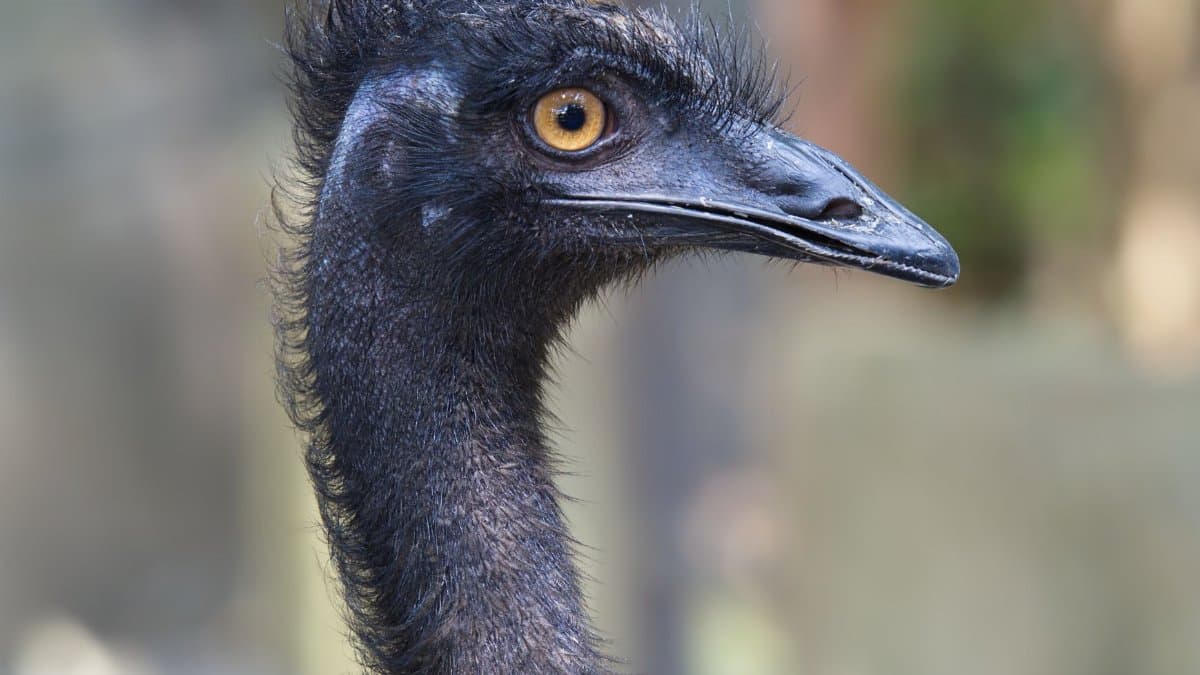
Stomach contents recovered from captured pythons reveal a wide range of prey including rabbits foxes raccoons and various wading birds. Declines in some mammal populations have been documented in zones of highest python density prompting concern among ecologists who study food web connections. Restoration projects aimed at other species now factor in the added pressure from this nonnative predator.
Difficulties of the swamp environment
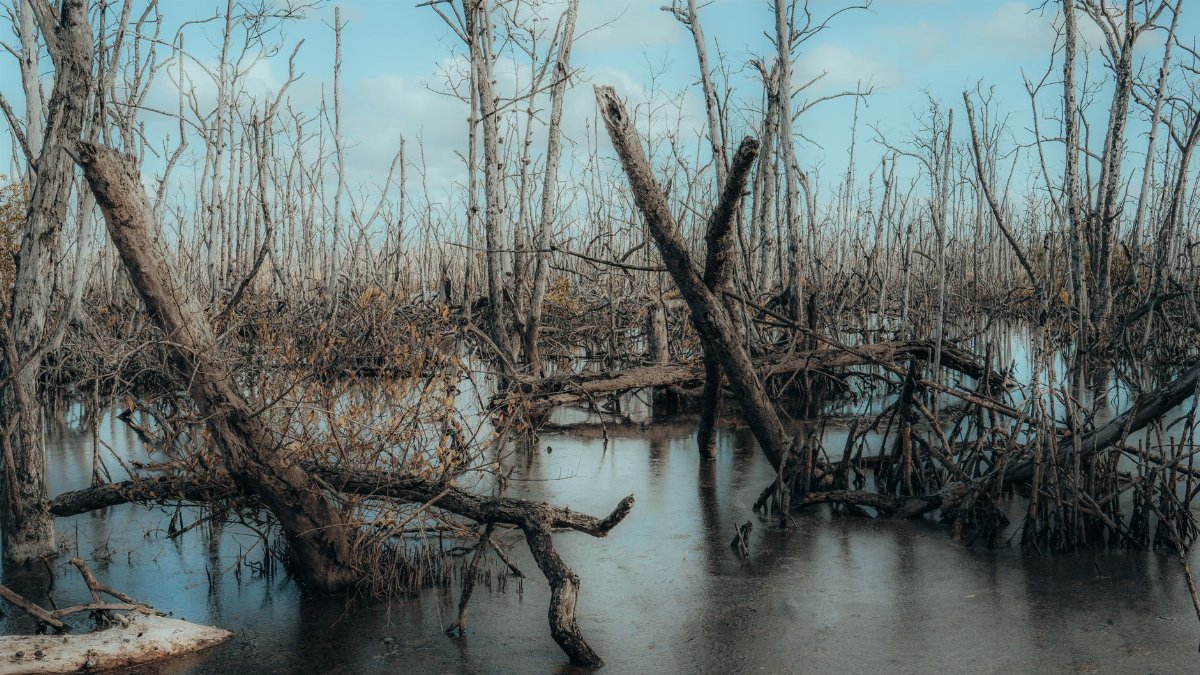
Thick vegetation limited visibility and sudden weather shifts complicate every outing. Searchers must navigate waist deep water while watching for sinkholes and hidden roots that can slow progress or cause injury. Night operations add another layer of complexity requiring thermal imaging tools that help detect heat signatures against cooler surroundings.
Training and equipment used

Participants undergo courses covering snake behavior safe capture methods and navigation in trackless terrain. Standard gear includes sturdy boots snake hooks and GPS units that record precise locations for later analysis. Some crews experiment with detector dogs trained to locate hidden animals by scent which has shown promise in dense cover where visual searches fall short.
Recorded successes and captures

Annual tallies indicate steady increases in the number of pythons removed each year though officials caution that total population estimates remain uncertain. Public awareness campaigns encourage reporting of sightings which has led to several large scale finds in areas previously thought clear. These incremental gains provide a measure of progress even as the overall task continues.
Long term outlook for the ecosystem
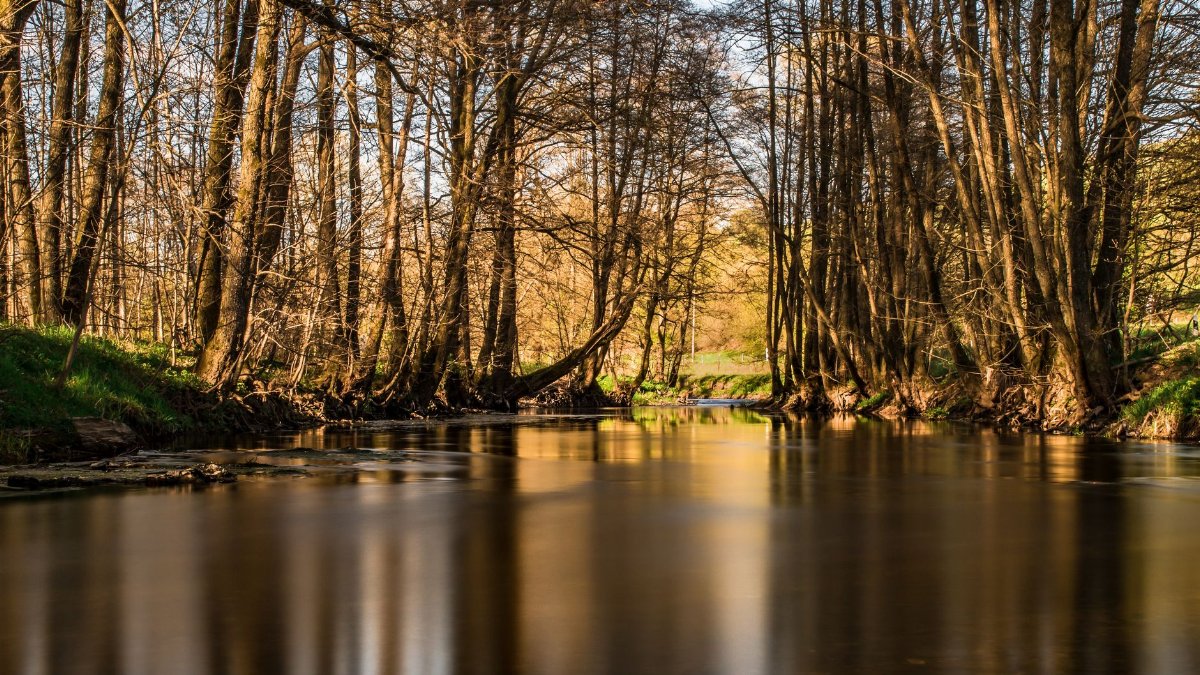
Researchers emphasize that sustained funding and expanded partnerships will determine whether control measures can keep pace with reproduction rates. Integration of new detection technologies alongside traditional fieldwork offers hope for more efficient coverage. Continued public support remains essential because the wetlands serve both as habitat for unique species and as a natural buffer for surrounding communities.