
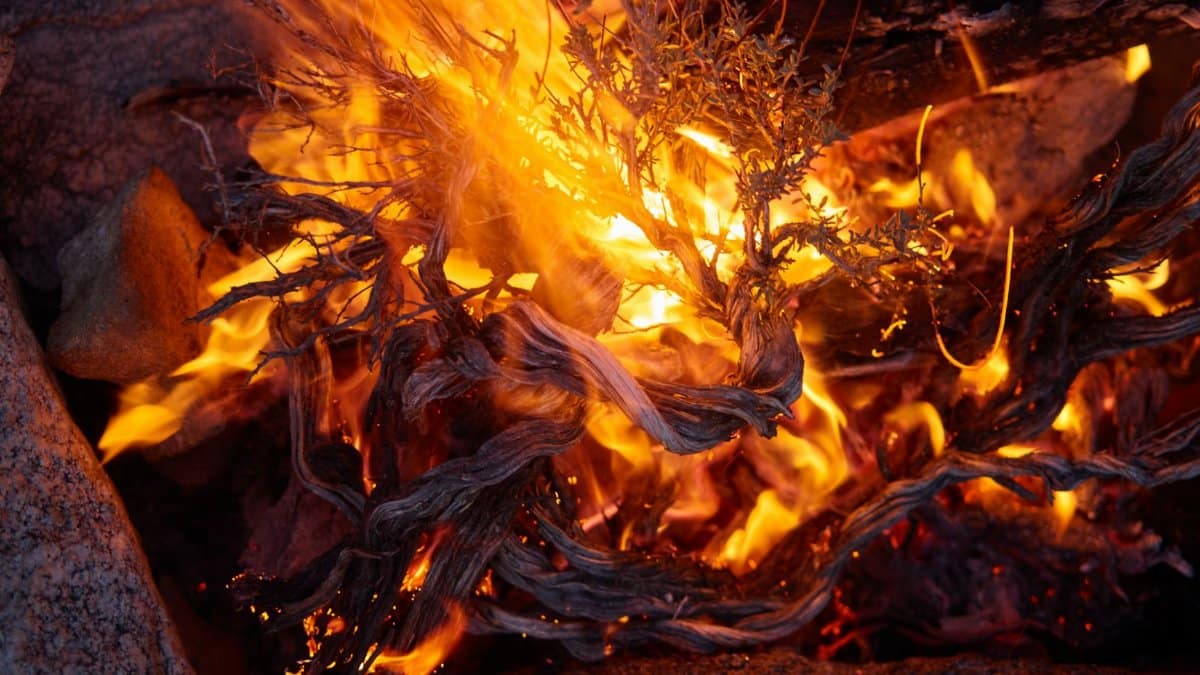
On a clear morning in the high country, the granite walls of Yosemite can look as fixed as scripture, until a thin column of smoke bends in the wind and the illusion breaks. Rangers, fire crews, and later a formal review traced that column not to lightning and not to a failing power line, but to a fire a camper had started and failed to keep. The Yosemite Dome fire cause, officials now say, was that human decision in a wilderness that does not forgive a stray ember.
What officials now say started the blaze
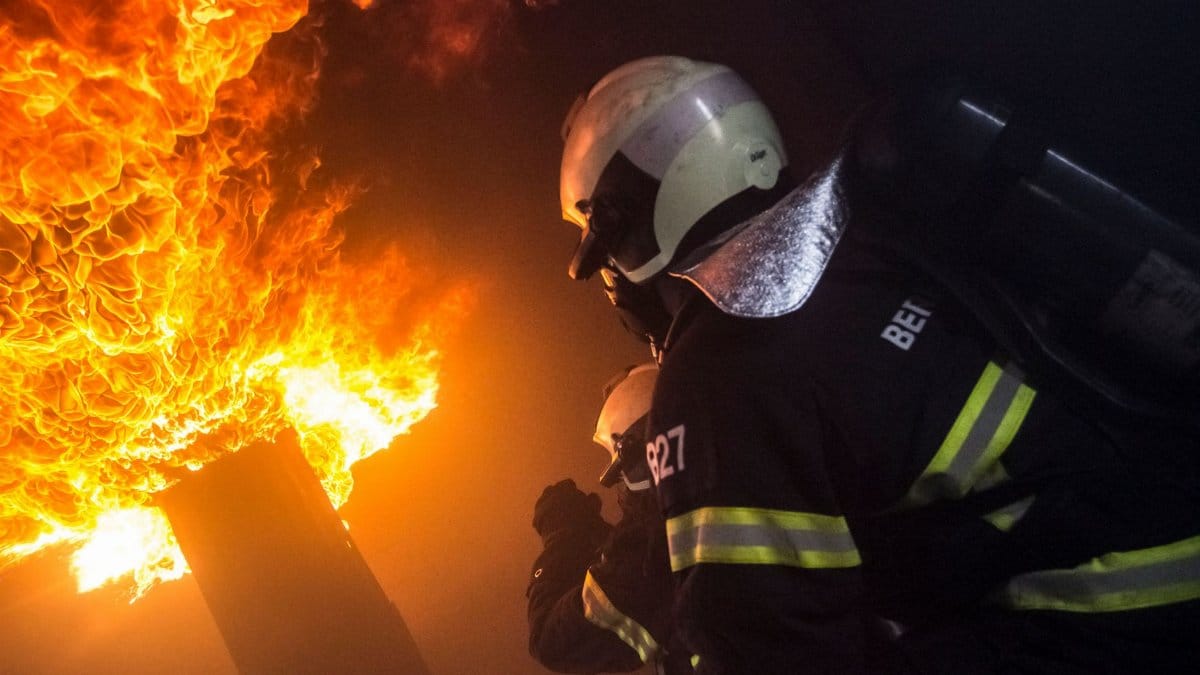
The determination is blunt. Park and fire officials have concluded that a camper is responsible for the Dome blaze inside Yosemite National Park, according to reporting by the Los Angeles Times. The fire burned 5,585 acres of wilderness and, in a separate tragedy bound to the suppression effort, killed two pilots who were flying water drops.
Cause findings of this kind are not press releases dressed up as certainty. They are the end of a chain: interviews, maps of the burn, weather records, and the physical evidence left where the first flames took hold. When that chain points to a campsite rather than a storm, the public story changes. A natural event becomes a preventable one. Families of the dead, and visitors who watched the smoke from valley overlooks, are left with a harder fact than weather.
How a legal flame becomes a wilderness fire
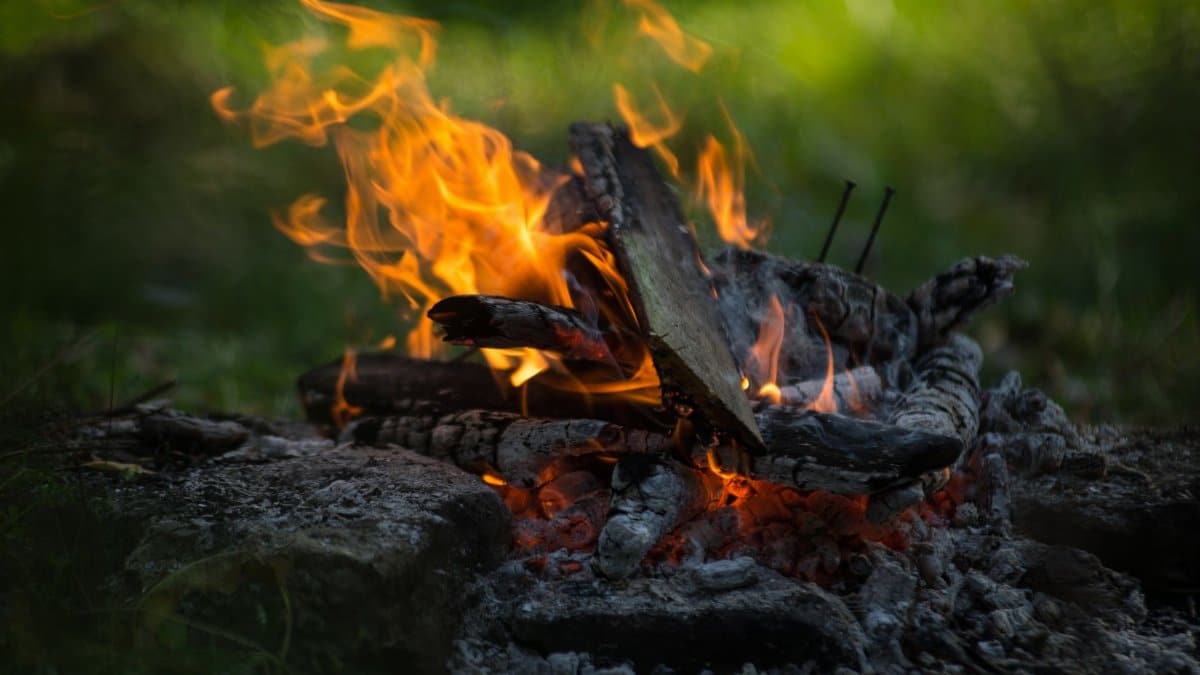
A campfire is a small, familiar thing. In the Sierra it is also a loaded one. Duff, pine needles, and downed branches can carry heat farther than a person standing over a ring expects. Wind that feels gentle at dusk can push a coal into fuel that has been drying for weeks. Once the line of flame leaves the cleared ground around a site, the fire is no longer a camp craft. It is a wildfire with a head, flanks, and a life of its own.
Wilderness adds distance. There is no hydrant, no engine parked on a turnout, and often no cell signal. A camper who thinks a fire is out may be miles down the trail before a sleeper ember wakes. By the time a lookout or a hiker reports smoke, the acreage is already growing. That sequence is ordinary in the records of Western parks. It is also, in this case, deadly.
The pilots who did not come back
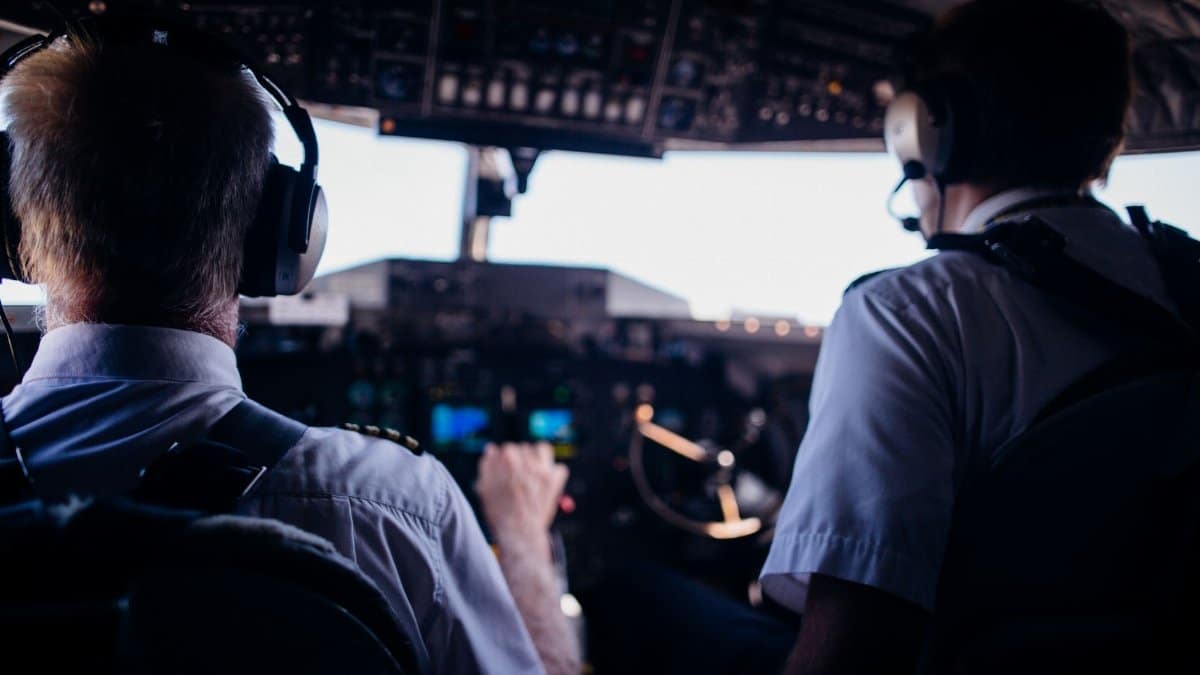
Two pilots died while dropping water on the Dome fire. Aerial firefighting is the part of a wildfire that looks, from the ground, like rescue. From the cockpit it is low, slow, and heavy work over ridges, smoke, and shifting wind. Tanker and helicopter crews fly repeated passes into canyons where the air itself is unreliable. A mechanical failure, a downdraft, or a turn made a second too late can end a career and a life in the same moment.
Their deaths sit beside the acreage figure and refuse to be folded into it. Acres can be rehabilitated. A crew that loses two aviators carries that loss into the next season. Officials have not, in the public account available so far, tied the crashes to any single mechanical finding in a way that belongs in this retelling. What is known is enough: they died in the effort to stop a fire that investigators now attribute to a camper.
What 5,585 acres means on this map
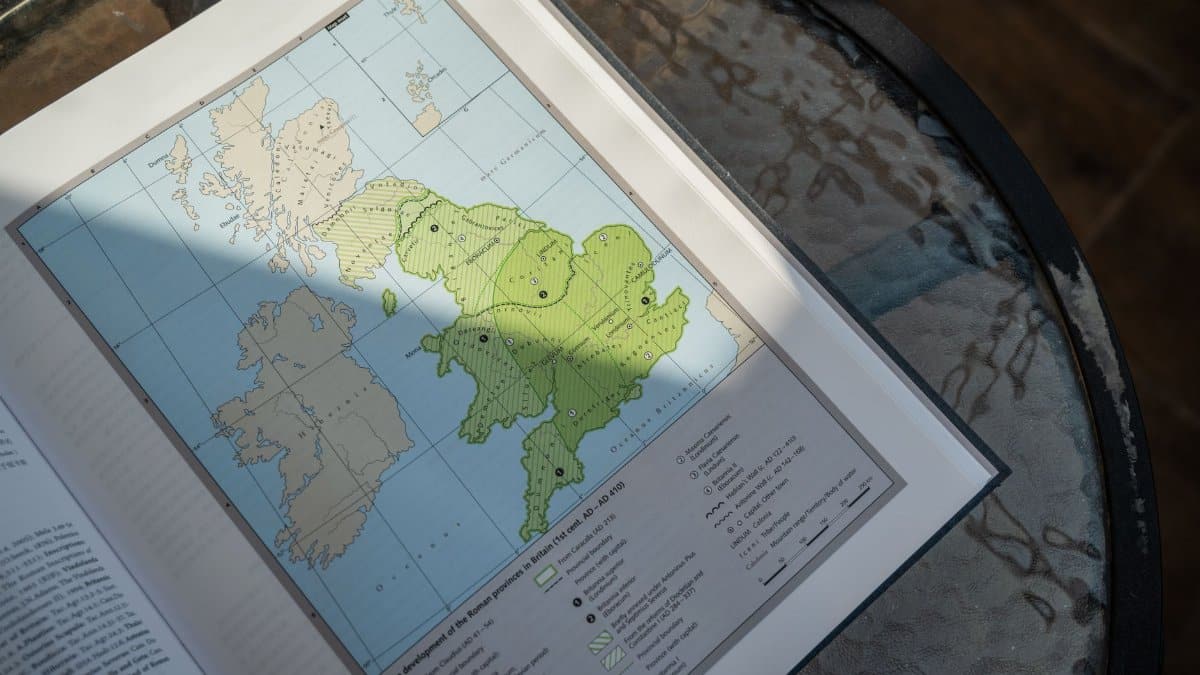
Five thousand five hundred eighty five acres is not the largest fire Yosemite has watched, and it is not a small one. In wilderness, that number describes a mosaic more than a clean scar. Some stands torch. Some burn lightly through grass and litter. Streams, rock, and old fire lines interrupt the spread. Wildlife moves or dies according to where the heat sat longest. Trails close. Permits are canceled. The park, which sells the idea of an unchanging cathedral, spends weeks managing a landscape in motion.
Numbers also mislead if they are asked to carry moral weight alone. A smaller fire in a crowded campground can threaten more people. A larger fire in remote timber can threaten more habitat. The Dome fire’s public meaning comes from the combination officials have now stated: a human start, a wilderness burn of that size, and two fatalities in the air. The Yosemite Dome fire cause matters because it links those facts to a choice, not to chance weather alone.
The rules campers are expected to know
Yosemite does not treat fire as a casual amenity in the backcountry. Depending on elevation, season, and fire danger, open flames may be banned outright. Where a fire is allowed, it is allowed inside established rings or portable stoves under conditions that rangers repeat at permit desks: clear the ground, keep water at hand, drown the coals, stir them, drown them again, and stay until the ash is cold to the touch. A fire that is warm is not out. A fire that looks dark can still hold a live coal under the crust.
Those instructions sound parental because they are written against a century of repeats. Visitors arrive tired, proud of their competence, and eager for the ritual of a flame under stars. The ritual is the hazard. A park can post the rule. It cannot stand at every site after dark. Enforcement arrives later, in the form of a citation, a lawsuit, or, as here, a cause finding that names a camper after the damage is done.
How a cause finding is built

Investigators work backward from the black. They look for the point where the burn pattern narrows, where needles are scorched in a direction that shows the first push of wind, and where camp gear, ring stones, or a stove sit inside that origin. Lightning leaves its own marks, often on a snag or a ridge, and it leaves a weather story that can be checked against strike data. A camper fire leaves a human geography: a legal or illegal site, a ring, trash, and sometimes a person who already told a ranger what happened.
The public rarely sees that file. What the public gets is a sentence. In this case the sentence is that a camper’s fire started the Dome blaze. That sentence will be argued in comment threads and possibly in court. It will also be taught, quietly, at the next wilderness permit window. Naming the Yosemite Dome fire cause is how an agency turns a disaster into a rule people can remember.
The risk that travels with every water drop

Water drops are the visible bargain of modern firefighting. A helicopter or a tanker lifts thousands of pounds of water or retardant and puts it, if the drop is true, on the flank that crews on the ground cannot reach in time. The bargain has a price that is paid in maintenance, training, and, in bad years, funerals. Smoke hides ridges. Heat makes its own wind. Pilots fly a profile that leaves little room for a second guess.
When the fire they are fighting began with a campfire, that bargain feels especially stark. The public asks aviation crews to accept risk so that a forest, a watershed, or a cluster of cabins might be saved. It does not ask campers to accept a cold night without a flame. The asymmetry is not a slogan. It is the structure of the incident: a small prohibited or poorly tended fire on the ground, and lethal work in the air to contain it.
A landscape people treat as sanctuary
Yosemite occupies a peculiar place in American feeling. People come for geology and leave talking about awe, as if the valley were a chapel that happens to require a reservation. That language is easy to mock and hard to dismiss. The park is where many visitors rehearse a relationship to something older than their schedules. A fire in that setting is not only an emergency management problem. It is a breach in a story people tell about refuge.
Grief does not require a doctrine. The families of the two pilots, the backpackers turned around at a trailhead, and the firefighters who watched a column build over granite are all negotiating the same interruption. A cause finding does not heal that. It does narrow the argument. If lightning had started the Dome fire, the sanctuary story could absorb it as weather. Because officials attribute the start to a camper, the story has a human author. Responsibility is less poetic than fate, and more useful.
What the next visitor is being asked to carry
The practical lesson is older than this fire and sharper because of it. If a stove will do the work of cooking, a flame on the ground is a luxury the forest is not required to indulge. If a fire is permitted, cold ash is the only acceptable ending, checked with a hand, not with a glance. If the wind is up or the fuel is crisp, the correct fire is no fire. Those are not aesthetic preferences. They are the difference between a night in a sleeping bag and a complex that kills the people sent to stop it.
Parks will keep issuing permits. Sierra summers will keep drying. Aircraft will keep launching when the next smoke report comes in. None of that cancels the sentence officials have now attached to this incident. The Yosemite Dome fire cause, as they describe it, was a camper’s fire. Five thousand five hundred eighty five acres burned. Two pilots died making water drops. The rest is a question each person answers at the edge of a ring, before the match is struck, while the granite still looks as if nothing on it can change.