
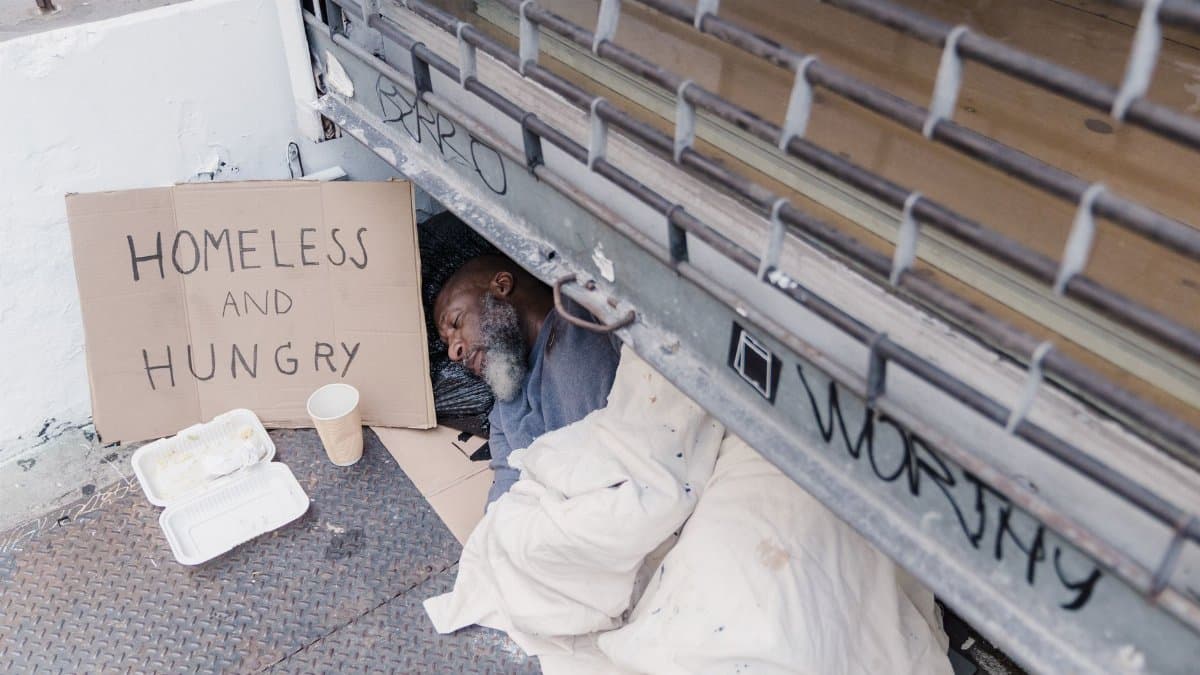
On a clear September morning in West Oakland, city crews arrived with the tools of a routine encampment cleanup and left behind a question that will not fit in a dumpster. Two small houses, built by students and given to homeless mothers, were torn down with the rest of the site. Residents and advocates are calling the episode the Oakland tiny home sweep, a phrase that now carries more weight than a scheduling notice. What looked, on a work order, like refuse removal looked, to the women who had slept inside those walls, like the sudden loss of the only private room they had.
A handmade shelter meets a municipal calendar
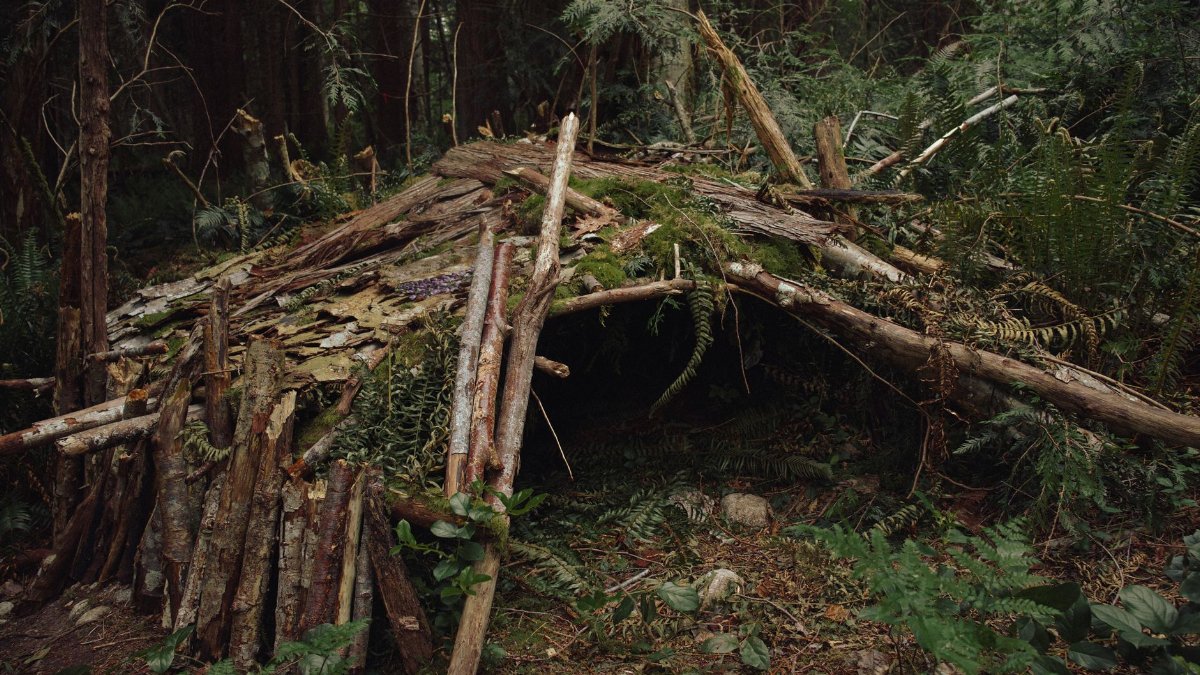
The homes were not city property and they were not commercial units. Students had framed them, insulated them, and offered them as gifts. The recipients were mothers trying to keep children close while they waited on housing lists that move slowly even in good months. On September 23, during a West Oakland encampment cleanup, those structures came down with tents, tarps, and accumulated belongings. The San Francisco Chronicle reported the demolition, and the details have circulated since among housing groups, campus builders, and neighborhood residents who had watched the little houses go up.
A tiny home is easy to romanticize and easy to dismiss. These were neither cabins in a catalog nor illegal subdivisions. They were small, imperfect, and occupied. Their value was not square footage. It was a door that closed, a roof that held, and a place where a mother could say, for a night or a season, that this corner was hers.
What the city says it was doing
Oakland, like other Bay Area cities, has spent years trying to manage street encampments under pressure from residents, businesses, courts, and its own public works staff. Cleanups are justified in the language of health, fire risk, blocked sidewalks, and trash that attracts rats. Those concerns are not invented. West Oakland has carried a disproportionate share of industrial legacy and visible poverty, and neighbors are tired of being told that every objection is cruelty.
City officials have generally argued that structures built without permits on public land cannot be exempted simply because the intention behind them was kind. From that view, a donated house is still an unpermitted structure in a zone the city has scheduled for clearance. The broom does not pause for backstory. Crews are told to clear. They clear.
Mothers who had been handed a key

The moral problem begins with who was inside. These were not vacant experiments. They had been given to homeless mothers, women already navigating school forms, clinic appointments, and the daily arithmetic of food and bus fare. A sweep that removes a tent is harsh. A sweep that removes a gifted house, after someone has begun to arrange a life inside it, carries a different sting.
People who work with families on the street often say that stability is cumulative. A locked door lets a child finish homework. A dry mattress lets a parent sleep long enough to make a morning appointment. None of that solves poverty. All of it makes the next step more possible. When that thin layer is scraped away in a morning, the loss is not only lumber. It is momentum.
Students who built instead of only debating

The student builders occupy an uneasy place in the story. Campuses around the region have produced design studios, engineering clubs, and service projects aimed at homelessness. Some of that work stays on paper. Some of it becomes a structure someone can sleep in. The impulse is admirable and also incomplete. A house without land tenure, utility agreements, and a path into legal housing is a gesture that the city can erase.
That does not make the gesture empty. Young people who spend weekends cutting plywood are learning something that a seminar cannot teach: shelter is physical, and physical things can be taken. The demolition is a hard lesson in jurisdiction. Good will does not outrank a work order. If future projects are to last, they will need sites the city has actually agreed to protect.
Order, sanitation, and the limit of that language

There is a serious public interest in clean streets. Needles, human waste, and blocked fire access are not abstractions. Parents walking children to school should not have to step through hazards. Public works departments are not villains for wanting a site cleared. The trouble is that sanitation language can swallow every other value until a donated home and a pile of wet cardboard look the same on a checklist.
A city can hold two thoughts at once. Encampments can be unsafe, and destroying the safest object in an encampment can still be the wrong move. Distinguishing those cases requires time, names, and a willingness to pause. Pause is expensive. It requires staff who can identify a structure, contact a recipient, and find a place to put both the person and the house. Many cleanup operations are not built for that kind of pause.
How the Oakland tiny home sweep landed in public view

Word of the Oakland tiny home sweep moved quickly because the images were simple. Small houses. Mothers. Students. Trucks. In a region numb to tent counts, the specificity cut through. People who never visit encampments could picture a handmade wall coming down. That picture does political work. It asks whether policy is still in contact with the human scale it claims to serve.
Public reaction has not been uniform. Some residents applauded any cleanup, arguing that exceptions become encampments that never end. Others saw a failure of proportion, a city so committed to clearance that it could not tell a gift from debris. Both reactions are about trust. One side does not trust that pauses will stay temporary. The other does not trust that clearances will spare anything worth sparing.
West Oakland carries more than one cleanup

Place matters. West Oakland has been asked, for generations, to absorb what other neighborhoods refuse: freeways, freight, pollution, and the visible edge of the housing crisis. A sweep there is never only a sweep. It lands on a map already marked by displacement, from redevelopment histories to the present shortage of rooms that a family can afford.
When advocates say the city chose the easiest target, they are talking about power as well as geography. Mothers in donated houses do not have lawyers on speed dial. Student builders do not control the right of way. The land under the houses was not a campus green. It was public ground in a neighborhood accustomed to being managed rather than consulted. That pattern does not prove malice. It does explain why the demolition felt familiar to people who have watched belongings disappear before.
Dignity is not a zoning category

Readers who come to this story through faith, ethics, or simply a habit of paying attention may hear a quieter question under the policy fight. What do we owe a person who has been given a little shelter and has begun to treat it as home? Religious traditions differ on property and law, but many of them treat hospitality as a duty that survives inconvenience. A locked door for a mother and child is not a sacrament. It is still close to what those traditions mean by care.
Secular readers can reach a similar place without the vocabulary. Dignity is the refusal to treat a person as debris. Once a city has identified living occupants of a donated structure, the next decision is moral before it is logistical. Logistics still matter. Morality without a truck and a legal site is a speech. The point is that the speech and the truck have to face each other.
What a better pause would have required

No one should pretend the alternative was simple. Leaving unpermitted houses in place indefinitely invites copycat structures, liability, and neighborhood anger. Moving them requires a receiving site, a landlord or agency willing to host them, and money for transport and hookups. Talking to the mothers requires outreach workers who already know their names. None of that appears on the morning a crew is dispatched with a deadline.
A better sequence is imaginable. Identify gifted structures before the cleanup date. Contact the builders and the occupants. Offer a temporary legal pad, even a cramped one, rather than a dumpster. If a structure truly cannot be moved, give people days, not hours, and replace the roof with a bed somewhere that has a door. Cities that skip those steps should not be surprised when a cleanup becomes a scandal.
Students, churches, and the temptation of the visible fix

The episode also tests the helpers. Student groups, congregations, and nonprofits like projects with a photograph at the end: a ribbon, a key, a smiling family. Those photographs are not false. They are incomplete if the structure sits on ground the recipient cannot keep. The spiritual temptation here is the quick mercy that feels complete because the builders went home tired. Real mercy asks what happens on the twenty fourth of September, after the cameras and the saws.
That is not an argument for doing nothing. It is an argument for pairing hammers with lawyers, land, and city staff who can say yes in writing. A congregation that wants to house a mother should ask, before the first nail, where the house will be allowed to stand. A campus that wants credit for service should stay in the fight after the demolition notice, not only before the dedication.
The regional pattern behind one morning

Oakland is not alone. Across California, courts have pushed cities to offer shelter before clearing certain encampments, and cities have answered with a mix of cabins, hotel rooms, and enforcement. Tiny homes appear in that mix as both official programs and unofficial gifts. Official villages come with rules, staffing, and fences. Unofficial ones come with hope and no lease. The gap between those models is where this story lives.
When official villages are full, people and their allies improvise. Improvisation collides with code enforcement. The collision will keep happening until the number of lawful rooms roughly matches the number of people sleeping outside. Until then, every cleanup is a choice about what kind of improvisation the city is willing to see.
Accountability without a villain poster

It is tempting to cast the morning as a simple cruelty. That poster is emotionally satisfying and analytically thin. Crews follow orders. Orders follow policy. Policy follows budgets, lawsuits, and political fear. The women who lost the houses do not need a cartoon. They need a record of who decided that these structures were indistinguishable from trash, and a public answer about whether that decision will be repeated.
Accountability can be plain. Publish the criteria that distinguish a donated occupied home from abandoned debris. Train crews to stop and call a supervisor when they find such a home. Fund the supervisor to have somewhere to send it. Invite the student builders into that protocol instead of leaving them to discover the protocol through wreckage. None of this requires a new ideology. It requires the city to admit that not every object on a cleanup list is the same object.
What the mothers are owed in plain speech

They are owed an explanation that does not hide behind the word safety. They are owed help finding a bed that is not a sidewalk. They are owed the chance to recover whatever of their belongings can still be recovered. If the houses can be rebuilt on lawful ground, they are owed a serious conversation about that, not a press release. If they cannot, the city should say so clearly and offer something that is not a return to the same curb.
Children in these stories are easy to invoke and hard to serve. A sweep does not become humane because someone mentions family values afterward. The test is whether the next night is safer than the last. On that test, demolition without replacement fails.
After the Oakland tiny home sweep, the quieter work
News cycles move. The phrase Oakland tiny home sweep will fade unless people keep it attached to names, dates, and a demand for a different protocol. Spiritual communities that have prayed about homelessness have a practical role here that does not require agreeing on theology. They can house, they can store salvaged belongings, they can sit with mothers through intake appointments, and they can ask city hall, in public, what would have saved those two structures.
Journalism has a role too. The value of the reporting is not outrage for its own sake. It is the record that two student built homes, given to homeless mothers, were destroyed on September 23 in West Oakland during a cleanup. That sentence should remain available when officials describe the morning as routine. Routine is a claim. The sentence is a check on the claim.
A city is judged by what it refuses to throw away
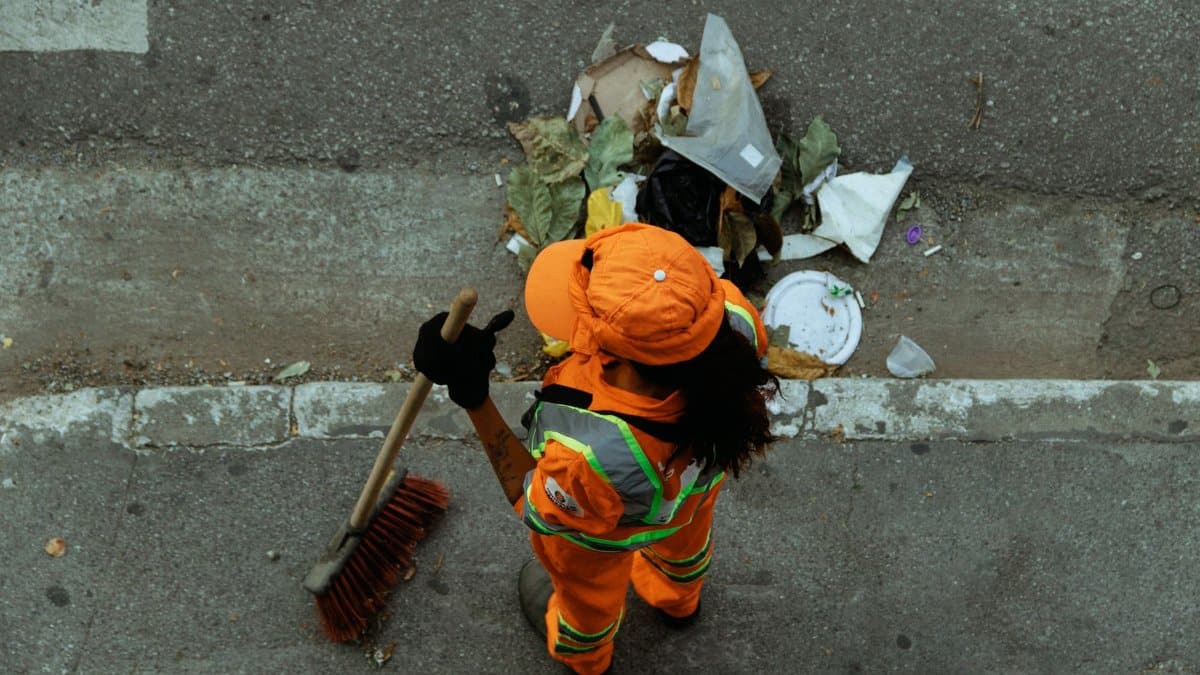
Oakland can still decide what this morning means. It can treat the demolition as an unfortunate but necessary application of rules, and prepare for the next identical morning. Or it can treat the Oakland tiny home sweep as a boundary it does not want to cross again, and build the boring machinery that makes a pause possible. Machinery is unromantic. It is also how moral intentions survive contact with a work schedule.
The houses are gone. The mothers are not a metaphor. Students can build again, and they should, if the next house has a legal place to stand. Neighbors can keep asking for clean streets, and they should, if cleanliness is not defined as the absence of the poor. Between those demands is the work of a grown up city: to tell the difference between waste and a home, and to act as if that difference matters.