
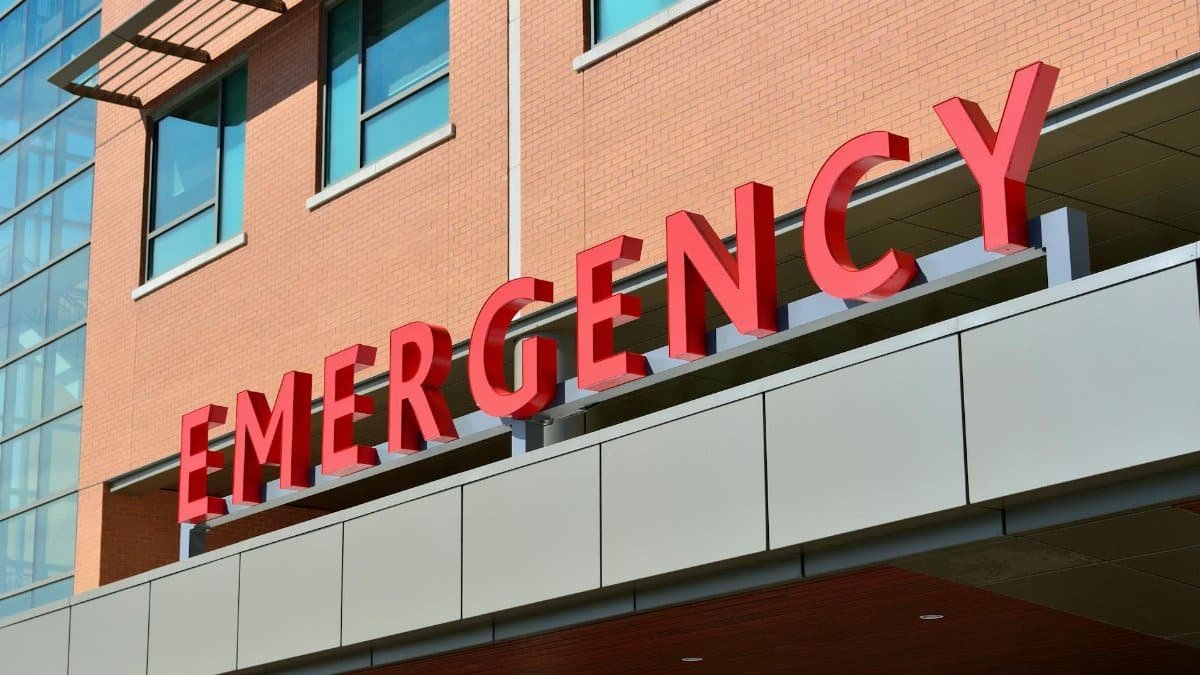
In the heart of Long Island a transformation is taking shape that could reshape healthcare for countless families. NYU Langone hospital has revealed plans to invest one billion dollars in a new teaching hospital in Melville. This announcement arrives at a time when many in the region struggle to find convenient and comprehensive medical services. The proposed facility promises to bring world class education research and patient care closer to home. Beyond the impressive numbers however lies a story about restoring faith in our medical institutions and acknowledging the spiritual dimensions of healing. For middle aged residents who have witnessed loved ones endure long commutes for treatment this development sparks renewed optimism. It suggests a future where medicine addresses not only the body but the human spirit as well.
A Major Step Forward for Regional Healthcare
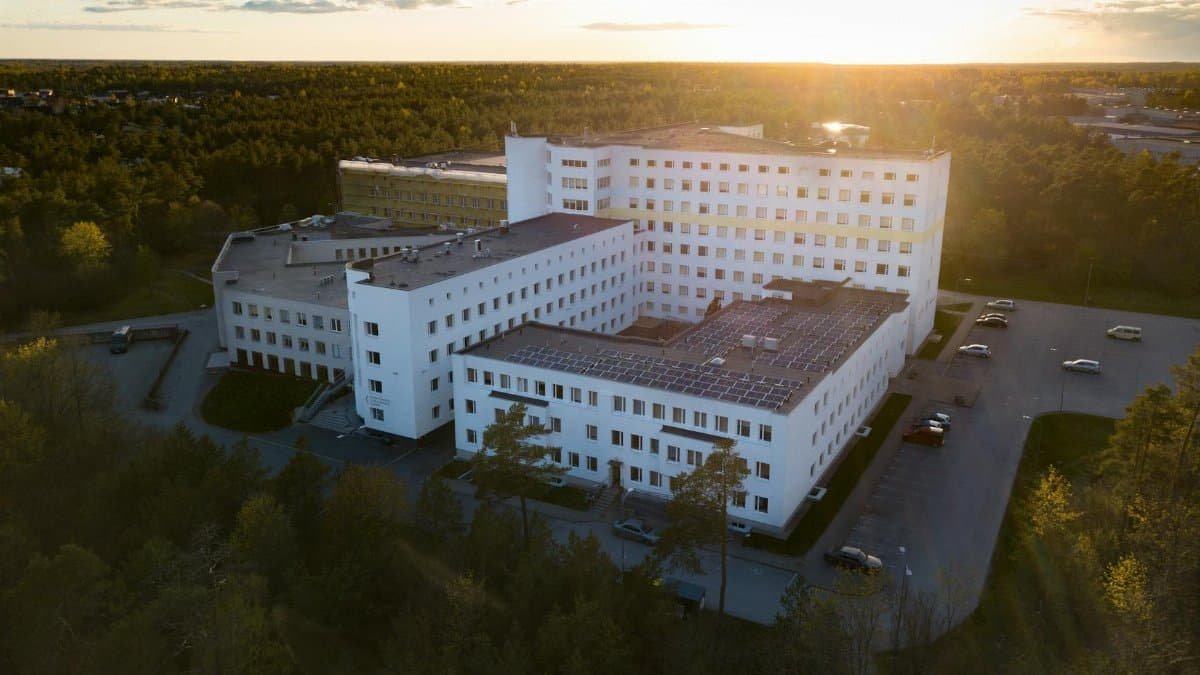
The scale of the project reflects growing demand across the New York metro area. Plans call for a 250 bed facility equipped with advanced surgical capabilities comprehensive cancer services and specialized units for cardiac and neurological care. As a teaching hospital the campus will maintain close ties to academic programs allowing medical students and residents to train in real world settings while serving local patients. This model has proven effective at other leading institutions where education and clinical practice reinforce each other creating a cycle of continuous improvement.
Local officials view the development as more than medical infrastructure. It represents an investment in the social fabric of Suffolk County where access to quality care has sometimes required travel into Manhattan. By establishing a major presence in Melville NYU Langone hospital aims to ease that burden and allow families to remain close to support networks during difficult times. The spiritual comfort of familiar surroundings should not be underestimated in the healing process.
The Intersection of Medicine and Spirituality

Modern healthcare increasingly recognizes that physical recovery and spiritual wellbeing are deeply connected. Chaplaincy services meditation spaces and integrative programs have become standard at many respected medical centers because evidence shows they can reduce anxiety improve outcomes and help patients find meaning during serious illness. This new Melville facility is expected to incorporate dedicated areas for reflection and interfaith support from the earliest design phases.
Studies have explored these connections for years. A review published by researchers at the George Washington Institute for Spirituality and Health found that patients who receive spiritual support report higher satisfaction and sometimes faster recovery times. The link can be found here: https://smhs.gwu.edu/gwish/. NYU Langone hospital has long maintained a reputation for treating the whole person and this expansion appears poised to deepen that commitment in a rapidly growing part of Long Island.
Training Tomorrow’s Healers with Compassion

Teaching hospitals play a unique role in shaping medical culture. By embedding values of empathy and holistic care into the curriculum the new campus could influence an entire generation of doctors and nurses. Young physicians will learn not only the latest techniques but also how to listen to patients spiritual concerns and cultural traditions. This approach matters especially for middle aged adults who often serve as caregivers for both children and aging parents.
Mentorship programs at similar institutions have demonstrated that trainees exposed to integrative models communicate more effectively and experience less burnout themselves. The Melville project will likely emphasize these human elements alongside technical excellence creating physicians equipped to address the full spectrum of human suffering. Such training carries ripple effects that extend well beyond the hospital walls into clinics and private practices throughout the region.
Creating Spaces for Reflection and Recovery

Architecture can influence healing. Designers of the new facility are expected to include gardens courtyards and quiet rooms where patients and families can find peace amid treatment schedules. Natural light water features and thoughtful acoustics all contribute to an environment that respects the spiritual journey many undertake while facing medical challenges.
These elements are not decorative afterthoughts. Research on therapeutic design shows measurable benefits including lower blood pressure and reduced need for certain pain medications. By prioritizing such features the planners demonstrate an understanding that true healing engages body mind and spirit together. For many middle aged readers who have sat through endless hours in sterile waiting rooms this attention to atmosphere feels both practical and profoundly humane.
Economic and Social Benefits to the Community

The one billion dollar investment will generate construction jobs followed by hundreds of permanent positions for clinical and support staff. Beyond direct employment the hospital will stimulate surrounding businesses from pharmacies to housing developments designed for medical professionals. Local leaders anticipate a virtuous cycle in which improved healthcare attracts new residents and encourages existing ones to remain in the area.
On a deeper level the project carries social significance. Communities draw strength from institutions that signal care and permanence. A major teaching hospital anchored in Melville could restore a sense of stability for families worried about healthcare access in uncertain times. This stability itself possesses a spiritual quality providing reassurance that help will be available when it is most needed.
Addressing Healthcare Disparities

Despite New York status as a medical capital gaps in service remain pronounced in suburban and rural pockets. The new campus aims to narrow those gaps by offering specialized care without forcing long journeys that disproportionately affect working families and older adults. Telehealth integration and community outreach programs are expected to extend the hospitals reach even further.
Equity in healthcare carries moral weight. When entire neighborhoods lack convenient access to advanced treatment spiritual distress compounds physical suffering. By locating comprehensive services in Melville the initiative acknowledges this reality and takes concrete steps to correct it. The effort aligns with broader calls for medicine that serves all members of society with dignity and respect.
Aligning with National Trends in Compassionate Care

Across the country hospitals are moving toward models that blend cutting edge technology with time honored wisdom about human connection. Mindfulness programs music therapy and spiritual counseling have moved from the margins into mainstream practice because they produce results. The Melville teaching hospital appears positioned to participate fully in this evolution rather than follow it.
This shift reflects changing expectations among patients particularly those in middle age who seek partnership with their physicians rather than passive receipt of treatment. They want to be heard as complete human beings with fears hopes and beliefs. Institutions that respond to these desires are finding stronger loyalty and better clinical outcomes. The announcement from NYU Langone hospital suggests an awareness of these larger currents shaping American medicine.
Voices from the Community

Early reactions from Long Island residents have been largely positive though not without questions about traffic impact and timeline. One local teacher described the news as an answer to years of prayer after watching her husband travel into the city for cancer care. Others expressed hope that the facility will prioritize kindness as much as competence.
These personal accounts reveal the spiritual undercurrent beneath the planning documents and architectural renderings. Healthcare decisions touch our deepest vulnerabilities. When a major institution chooses to locate care close to where people live work and worship it affirms the value of community itself. Such affirmations matter greatly to families navigating the uncertainties of illness and recovery.
What the Future Holds

Groundbreaking has not yet occurred and many details remain to be finalized. Yet the vision itself offers reason for optimism. If successfully realized the Melville teaching hospital could become a model for how large medical systems serve suburban populations while honoring both scientific rigor and spiritual needs. Success will depend on continued dialogue with the community transparent governance and sustained attention to the human elements that no technology can replace.
For readers who have followed the gradual erosion of local services this announcement feels like a turning point. It suggests that compassion and excellence can coexist at scale. As the project advances it will be worth watching whether the finished campus truly embodies the values articulated in its early promises. The potential reward is considerable: a regional healthcare landscape where physical healing and spiritual solace support one another in ways that enrich entire communities. NYU Langone hospital has set a high bar. The coming years will reveal how fully that ambition can be met.