
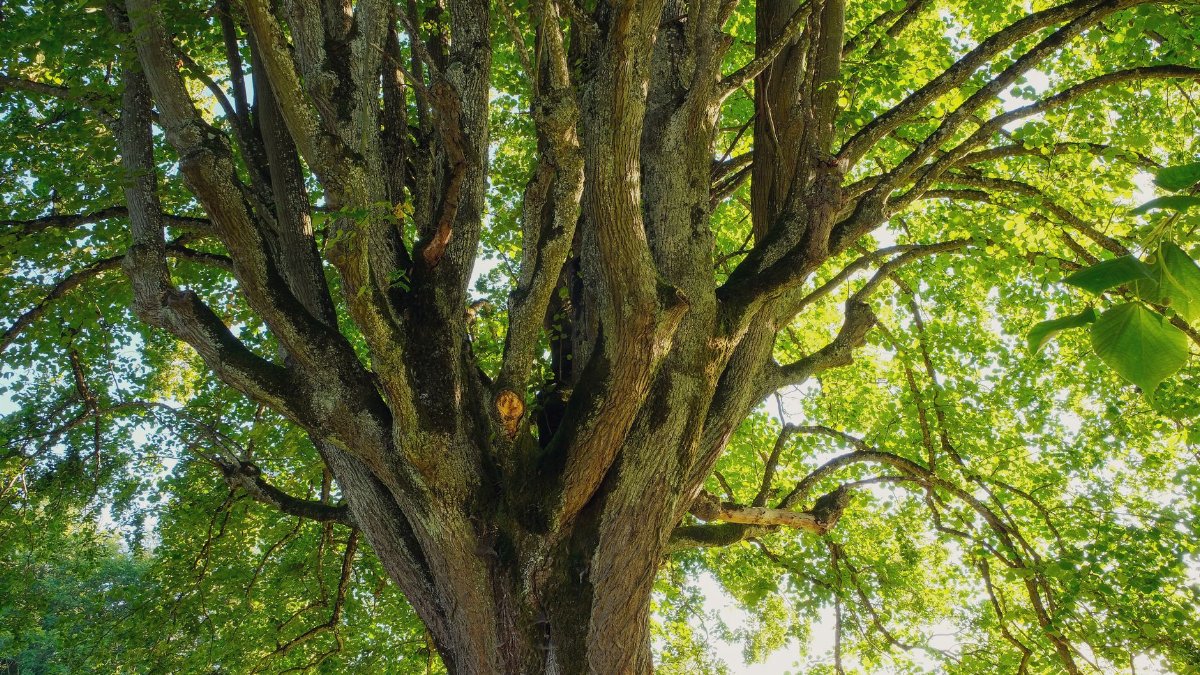
In many residential landscapes a once vibrant tree can begin to show signs of distress leaving owners puzzled about the next steps. The process of sick tree care requires careful observation and a methodical approach rather than hasty interventions. Experts from places like the Chicago Botanic Garden emphasize that proper diagnosis comes before any treatment especially for young specimens that may suffer from improper planting or environmental stresses. Homeowners often notice yellowing leaves or sparse growth and wonder if the issue stems from pests disease or something in the soil itself. Taking time to understand these signals can make the difference between saving a tree and losing it altogether.
Evaluating the Surroundings
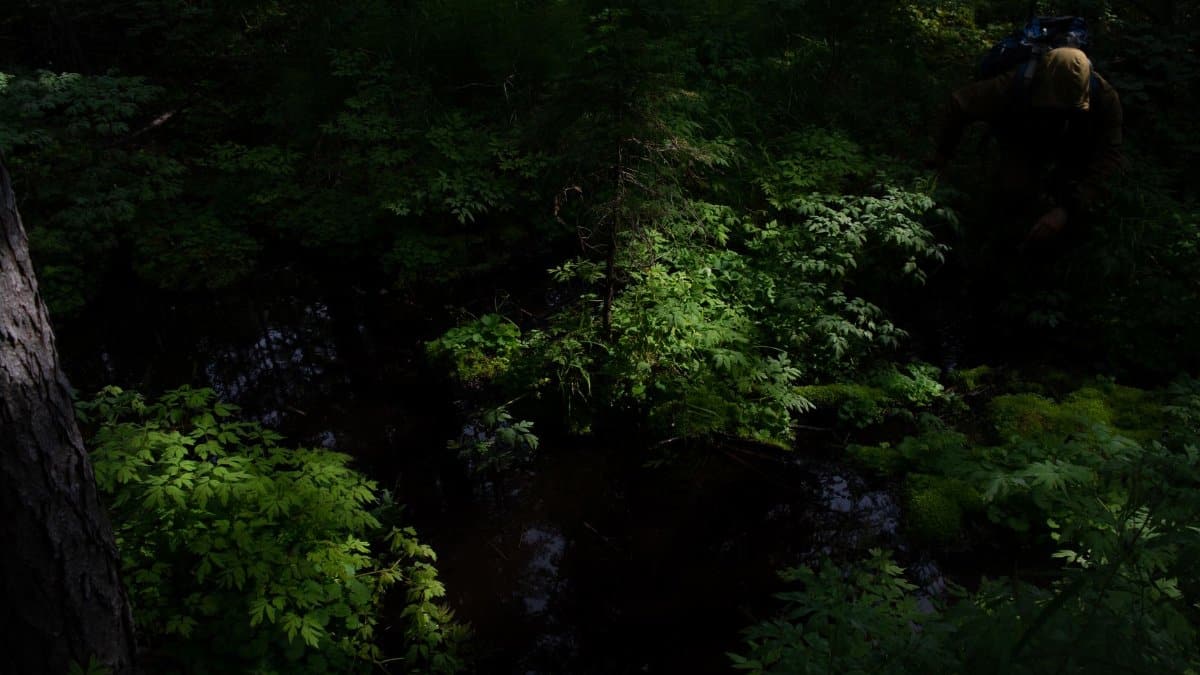
Site conditions play a major role in how a tree fares over the years. Factors such as sunlight exposure drainage patterns and nearby structures can all influence root development and overall vigor. Professionals recommend walking the area around the tree to note any changes in grade or compacted earth that might restrict water flow. In urban settings pollution from roads or salt used in winter can add further strain. Observing these elements helps pinpoint why a tree might be struggling before any remedies are applied.
Checking Planting Depth
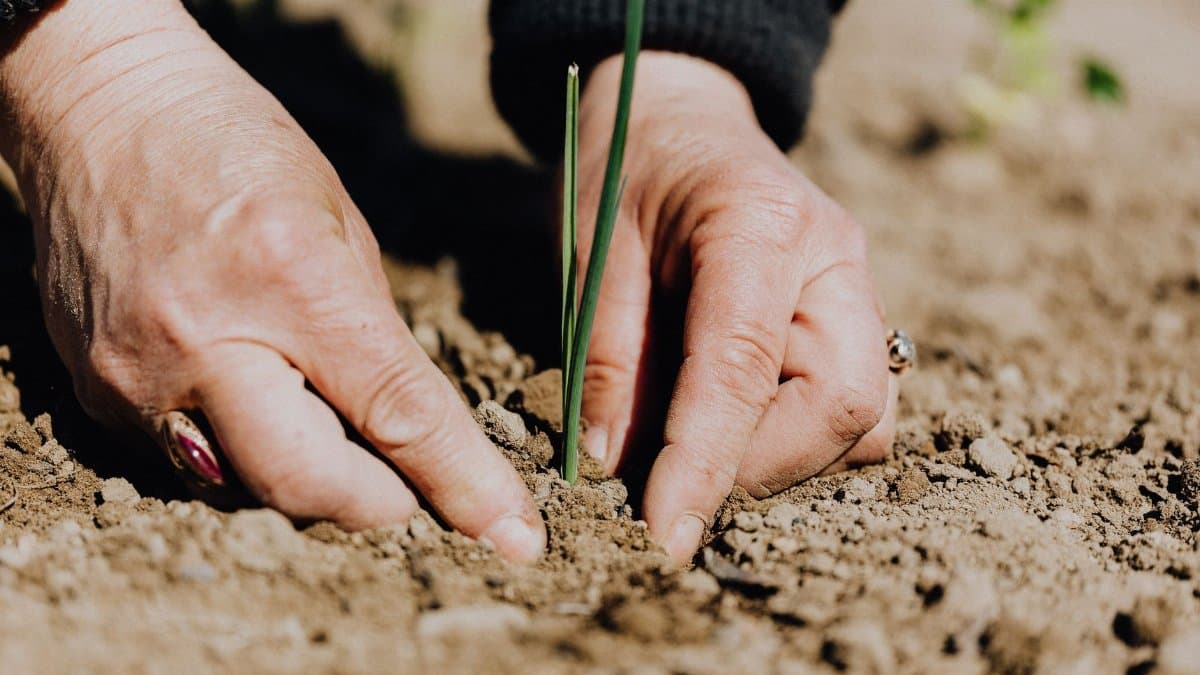
Improper planting depth ranks among the most frequent issues with young trees. When the root flare sits too deep beneath the soil surface oxygen cannot reach the roots properly leading to slow decline. Gardeners are advised to gently probe around the base with a hand trowel to locate the correct level. If needed excess soil can be removed carefully without damaging the roots. This adjustment often brings noticeable improvement within a single growing season.
Spotting Pest Activity
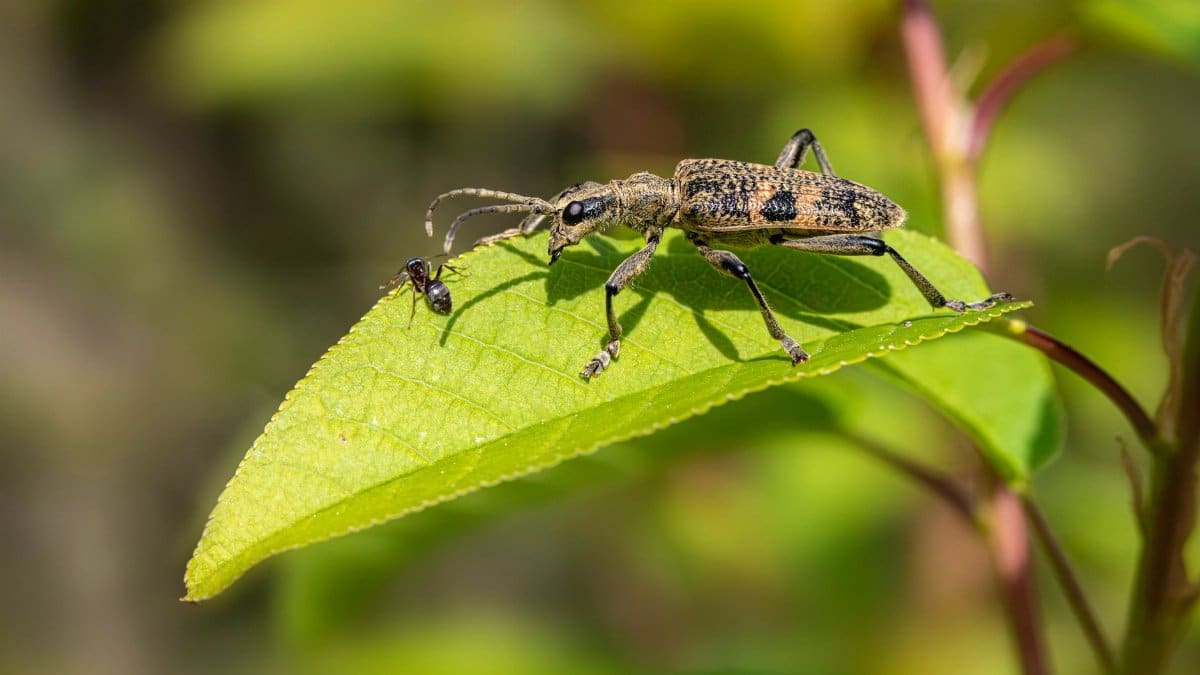
Insects and other pests can weaken a tree gradually making early detection essential. Look for bore holes in the bark or unusual webbing among the branches. Certain beetles and borers target stressed trees so addressing the underlying weakness is key alongside any targeted controls. Regular inspections during spring and summer months allow problems to be caught while they remain manageable.
Assessing Soil and Nutrients
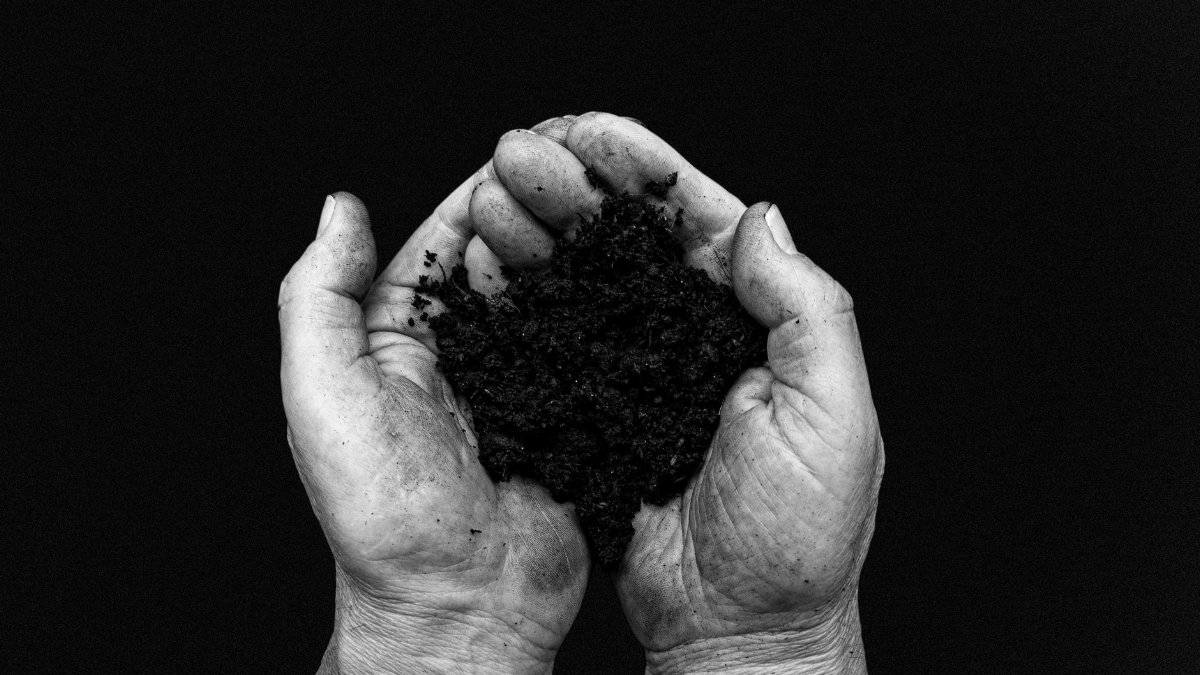
Soil tests provide valuable clues about nutrient deficiencies or pH imbalances that affect tree health. A simple kit from a garden center can reveal whether key elements like nitrogen or potassium are lacking. Amending the soil around the drip line rather than at the trunk helps roots absorb what they need. Organic mulches also contribute by moderating temperature and retaining moisture without creating soggy conditions.
Watering Practices That Matter

Consistent moisture supports recovery yet overwatering can create new problems. Deep infrequent soakings encourage roots to grow outward rather than staying near the surface. During dry spells a slow trickle from a hose over several hours reaches the right depth. Avoid frequent light sprinklings that do little to sustain the tree through heat waves.
When Expert Help Becomes Necessary

Some situations call for the skills of a certified arborist who can perform advanced diagnostics or treatments. If the tree shows widespread dieback or leans after a storm professional evaluation ensures safety and the best chance of revival. Local extension services or botanical gardens can offer referrals to qualified individuals familiar with regional conditions.
Preventive Steps for the Future

Selecting the right species for a given location reduces future complications. Native trees adapted to local climate and soil tend to require less intervention once established. Spacing plantings appropriately prevents competition for resources and allows air circulation that discourages fungal issues. These choices made at the outset pay dividends in healthier growth over decades.
Tracking Progress Over Time

Recovery rarely happens overnight so documenting changes helps maintain perspective. Photographs taken at regular intervals show whether new growth is appearing or if symptoms are spreading. Adjusting care based on these observations keeps efforts focused and effective. With patience many trees regain their strength and continue to enhance the landscape for years to come.