

In laboratories filled with advanced scanners and dedicated teams a determined researcher has transformed how society grasps the grip of addiction on the mind. Nora Volkow has advanced this field through persistent inquiry and fresh perspectives that connect brain activity to behavior patterns seen in countless lives.
Pioneering Brain Research
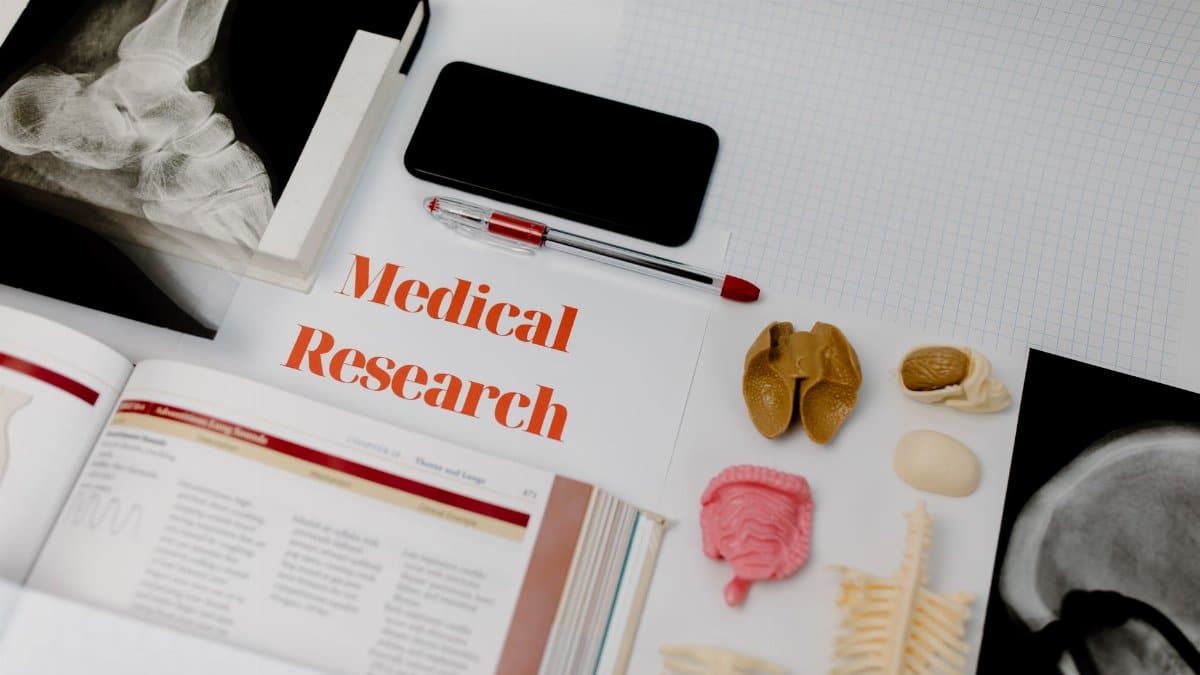
Her career began with a focus on mapping neural pathways using positron emission tomography to observe changes in real time. This method revealed how substances alter reward systems creating cycles that prove difficult to break. Colleagues note her ability to translate complex scans into accessible explanations for policymakers and clinicians alike. Over time these insights laid groundwork for treatments that target specific brain regions rather than relying solely on behavioral interventions. The approach emphasizes evidence from repeated studies showing consistent patterns across diverse populations.
Understanding Addiction Mechanisms

Through years of observation Nora Volkow highlighted how dopamine pathways respond to various stimuli beyond drugs including food and social interactions. Such findings shifted views from moral failings to medical conditions rooted in biology. Research teams under her guidance documented how prolonged exposure reshapes circuits leading to compulsive actions. These discoveries encouraged development of medications that restore balance without harsh side effects common in earlier therapies.
Shaping National Drug Policies
Her position at a leading institute allowed direct input on strategies that prioritize prevention and recovery support over punishment alone. Reports she contributed to influenced funding allocations toward community programs that integrate mental health services. Advocates credit this emphasis with reducing overdose rates in targeted areas through better access to care. Data from national surveys reflect gradual improvements in public awareness about addiction as a treatable disorder.
Innovations in Imaging Technology
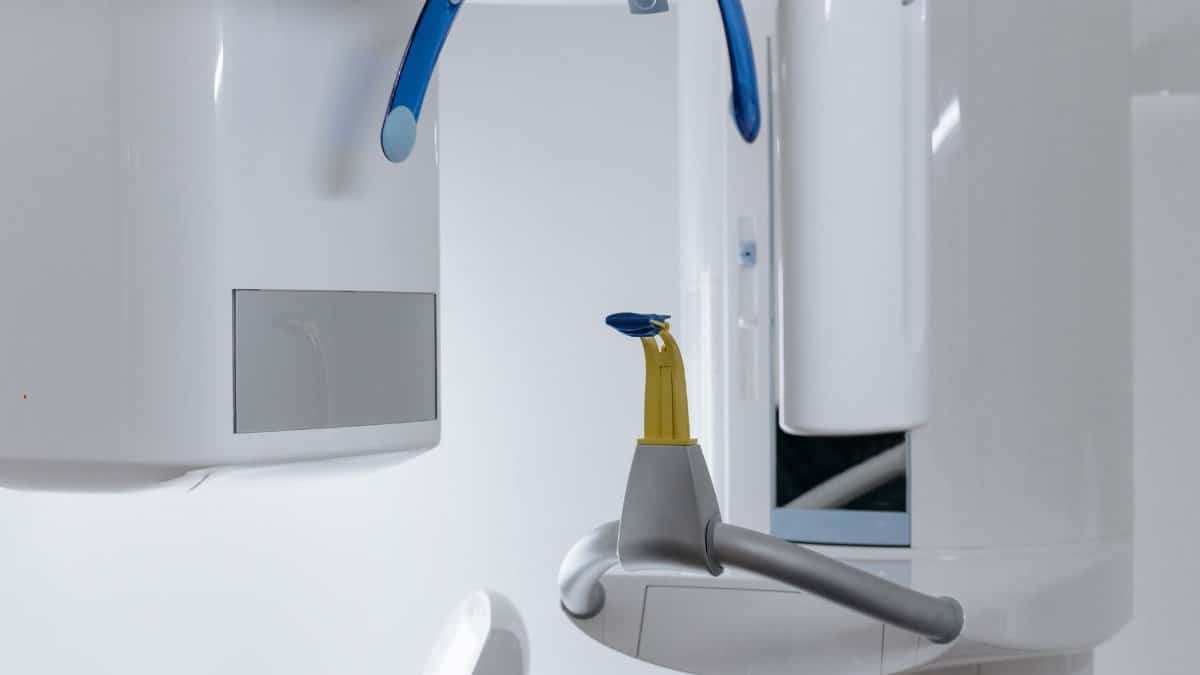
Advancements in scan resolution permitted finer details of brain function during craving episodes. Nora Volkow supported projects that combined multiple imaging types to track progression from initial use to dependency. This integration offered clearer pictures of recovery trajectories when individuals receive timely support. Engineers collaborated with her group to refine tools making them more available in clinical settings across regions.
Addressing Stigma Around Substance Use

Public campaigns drew on her explanations to reframe addiction as a health issue similar to diabetes or hypertension. Community workshops used simplified versions of her findings to foster empathy among families and employers. Surveys indicate these efforts helped lower barriers to seeking help in workplaces and schools. The narrative moved away from blame toward collective responsibility for accessible resources.
Collaborations Across Disciplines
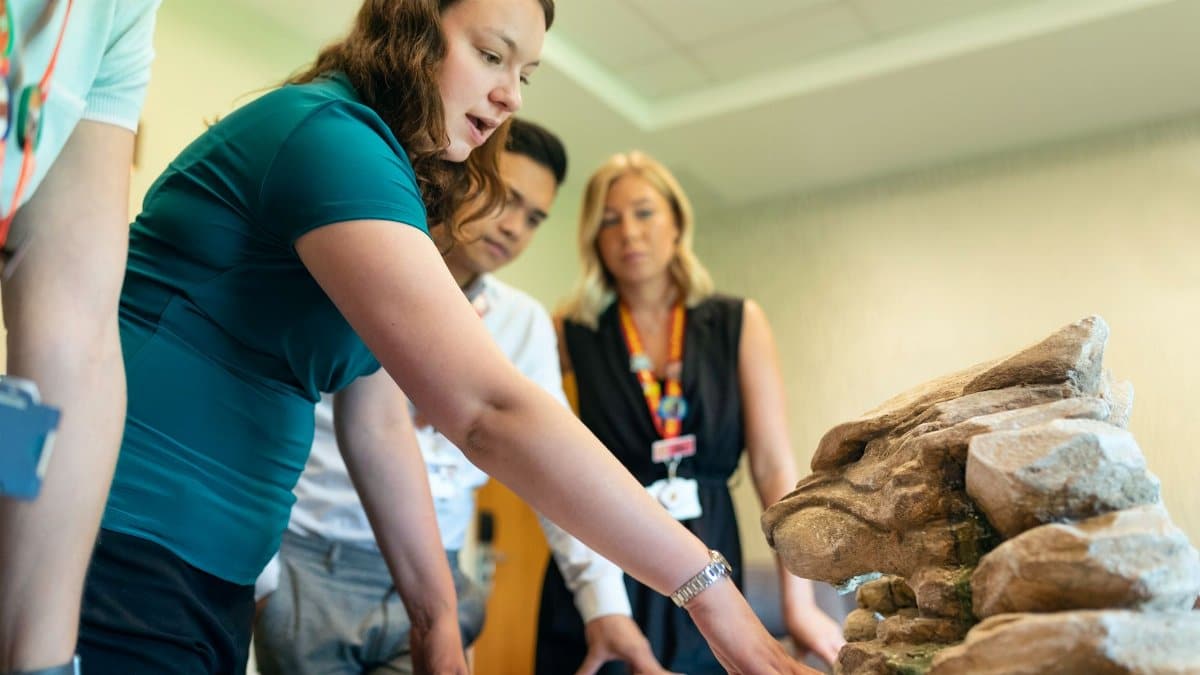
Partnerships with psychologists sociologists and geneticists expanded the scope of inquiry into environmental factors that interact with biology. Joint studies explored how early life experiences influence later vulnerability providing a fuller context for intervention design. Such teamwork produced guidelines adopted by international bodies focused on equitable health outcomes. Her facilitation of these exchanges demonstrated the value of shared expertise in tackling multifaceted problems.
Influence on Global Health Initiatives

Presentations at worldwide forums shared data that informed guidelines in countries facing rising substance challenges. Training modules based on her methods equipped local researchers to conduct their own investigations adapting to cultural contexts. Outcomes include strengthened networks for monitoring trends and evaluating program effectiveness on a larger scale. This outreach extended the reach of American led science to benefit varied societies.
Reflections on Scientific Progress

Looking back the accumulation of knowledge points to ongoing needs for refined therapies and better prevention starting in youth. Continued investment in basic research promises further breakthroughs that could lessen societal burdens from addiction related issues. Her example inspires new generations to pursue questions with rigor and openness to unexpected results. The path forward builds on established foundations while adapting to emerging evidence from fresh inquiries.