
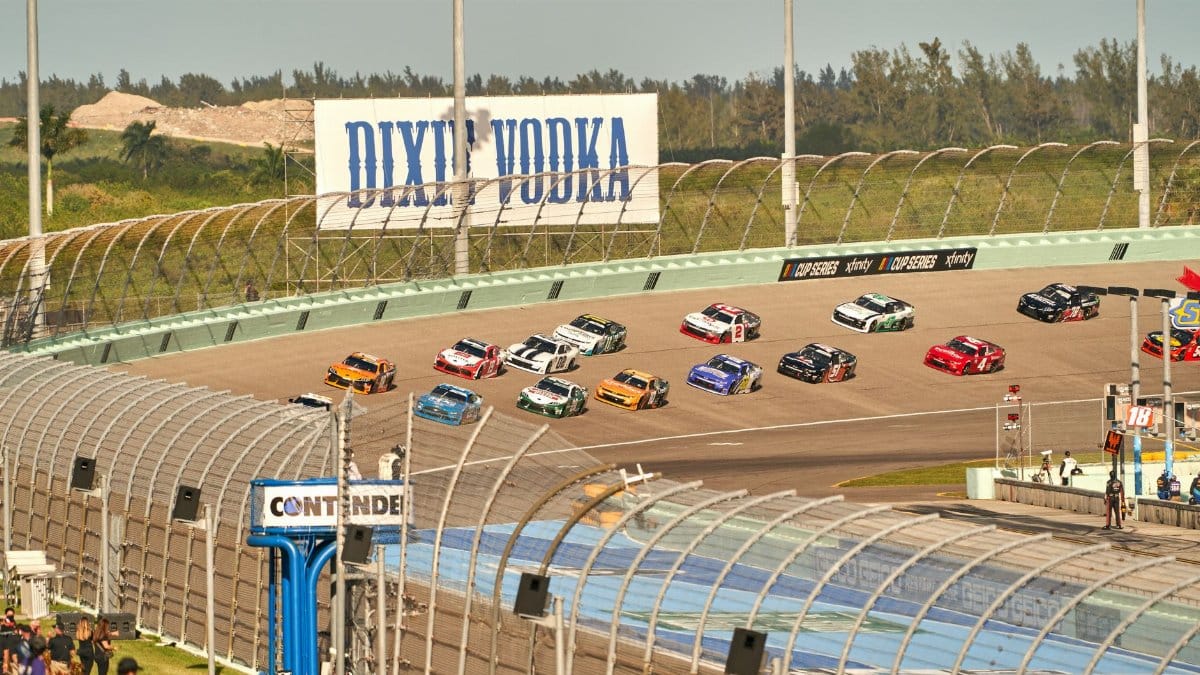
The lights above Memorial Stadium had already washed the stands in Clemson orange when the visiting sideline stopped looking like a guest and started looking like a team that intended to own the night. No. 4 Miami came into Death Valley unbeaten and left with a result that will travel farther than any single highlight. The line now attached to Miami Clemson 41-13 is the one recruiters, poll voters, and restless fan bases will repeat. On the field the story was plainer. The Hurricanes managed the clock, kept the football, and turned a hostile Saturday into a road win that left their season without a loss.
A final that refuses to be shrugged off

College football produces plenty of scores that look decisive and mean very little. A November game between a ranked visitor and a proud home program is not one of those nights. A margin of 28 points on the road says the favorite did more than survive a trap. It says the visitors imposed a plan for four quarters and did not let the building rewrite it.
Clemson has spent years teaching opponents that Memorial Stadium is not a neutral stage. Noise, tradition, and the memory of closer games all sit on the home sideline before the first snap. Miami did not appear interested in that history as decoration. The Hurricanes played as if the building was a condition to be managed, not a myth to be feared. That posture matters as much as the points. Teams that flinch in loud places tend to play small. Teams that stay on schedule tend to make the noise feel late.
What the passing total actually purchased

The box score detail that traveled with the result was straightforward. Mensah threw for 227 yards. That number is not a carnival total. It is the kind of figure that usually means a quarterback was accurate enough, patient enough, and protected enough to keep a defense honest without turning the game into a track meet.
In a road environment, 227 yards can be more valuable than a flashier line built on desperation. It suggests Miami did not need to abandon the run or chase points after falling behind. It suggests the offense stayed inside a script. When a quarterback can complete the throws that keep drives alive, the rest of the roster gets to play with cleaner numbers: fewer long fields for the defense, fewer sudden changes for special teams, fewer moments when a stadium senses blood.
None of that requires treating 227 as a masterpiece. It requires treating it as evidence. Evidence that the Hurricanes could throw when they wanted to, not only when they had to.
Memorial Stadium and the limits of reputation

Home field is real. It shows up in false starts, in communication, in the way a young player hears his own name in a roar and forgets the call. It is also not a force of nature. Reputation loses power when the visiting team tackles, covers, and finishes drives. On this night the reputation met a Miami team that refused to donate free points.
I have sat in enough loud stadiums to know the feeling when a crowd realizes the script has slipped. The noise does not vanish. It changes key. Cheers become demands. Demands become frustration. A 41 point night from the visitors, against 13 from the home side, is the sort of evening when that shift happens early enough to matter. Clemson fans did not stop caring. They simply ran out of reasons to believe a comeback was hiding in the next series.
That is a hard lesson for any program with a championship memory. The building can still intimidate. It cannot score.
An unbeaten record as burden and proof

Staying unbeaten is often described as a gift. It is also a weekly audit. Every opponent arrives with a clearer plan than the week before. Every mistake is magnified because there is no loss yet to absorb it. Miami entered this game carrying that audit and left still carrying it, which is the only outcome an unbeaten team can accept.
The phrase Miami Clemson 41-13 will sit beside that record like a receipt. Polls are opinions. Strength of schedule is an argument. A road win of this size is harder to talk around. It does not end the season. It does narrow the excuses available to anyone who wants to treat Miami as a paper contender.
There is a cost to that clarity. The next opponent will not be impressed by a headline. The next opponent will study the snaps that were less clean than the score suggests. Unbeaten teams do not get to enjoy the result for long. They get to protect it.
How a lopsided night rearranges the ACC conversation

Conference races are stories people tell with standings, and standings are slower than emotion. A night like this speeds the emotion up. Miami did not merely collect a win in the loss column of a rival narrative. The Hurricanes made a public case that their unbeaten start is built on something sturdier than home cooking.
Clemson, for its part, now has to answer a different set of questions. One loss does not define a season, and a proud program does not become small because one Saturday went badly. Still, the shape of the loss matters. Giving up 41 points at home while scoring 13 invites a review that goes past scheme. It invites a review of toughness in the middle of drives, of tackling after contact, of whether the offense could stay on the field long enough to quiet the doubt.
For the rest of the league, the practical effect is simpler. Anyone still hoping Miami would stumble in a famous building has to wait. The stumble did not arrive.
Coaches read finals that look easy with suspicion
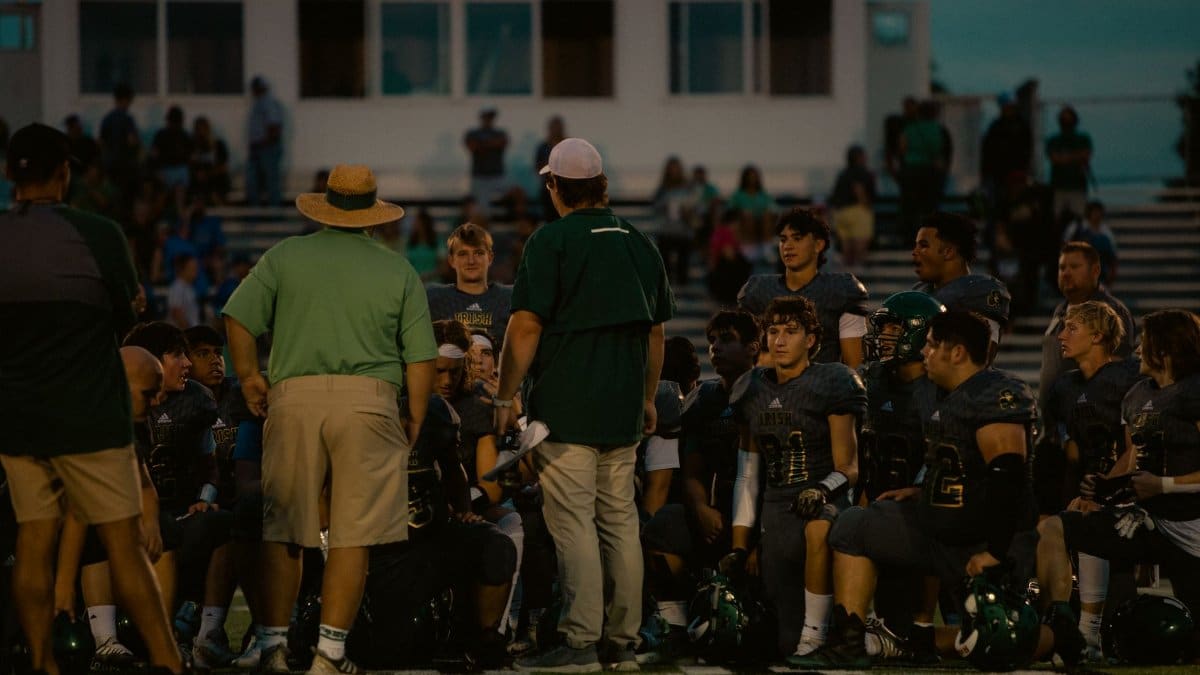
From the outside, a game that ends Miami Clemson 41-13 can look like control from the opening whistle. Coaches rarely trust that picture. They watch the hidden costs. Did the defense give up explosives and then get rescued by turnovers? Did the offense stall in the scoring area and survive because the other side could not answer? Did penalties hand out field position that the score later concealed?
Those questions are why film sessions after big wins can feel colder than the locker room. A staff that celebrates the road result and ignores the leaks will meet those leaks again, usually against a team better prepared to exploit them. A staff that treats the margin as permission to get sloppy will donate the next game to somebody hungry.
The healthy reading is the boring one. Credit the players who executed. Then find the series that should have been better. Road wins of this size are rare enough to enjoy and common enough in memory to know they do not repeat themselves by magic.
Fans, polls, and the week that follows

By Sunday morning the result will have been folded into arguments that have little to do with Memorial Stadium. National voters will move Miami, or they will not, and either choice will annoy somebody. Message boards will decide the season is settled. It is not settled. One dominant road win does not award a trophy. It does change who has to prove what.
Clemson supporters will look for the correctible. They will be right to look. Programs with resources and pride do not accept 13 points at home as a personality trait. They treat it as a problem with names attached: protection, coverage, red area patience, fourth down nerve. The danger is treating a single night as either destiny or accident. It was a game. It was also a revealing one.
Miami supporters will be tempted by the other error, which is coronation. The healthier habit is narrower. Remember that the Hurricanes won away from home, by a lot, while a ranked unbeaten team, and that Mensah’s 227 yards were part of a night that never required panic. Then turn the page.
Why margin still counts when style points are mocked

There is a fashion in sports talk that dismisses margin as empty. Style points, the saying goes, do not reach the postseason. That saying is half true. A win and a loss are the currency that standings understand. Margin is the currency that future opponents, and future voters, use when they guess how sturdy a team is.
A one score escape in Death Valley would have kept Miami unbeaten and would have fed every doubt about whether the Hurricanes can impose themselves. This result feeds a different doubt, and it belongs to everyone else. Can you hang with a team that just put 41 on the board in that building? The question is not fair. Football is not fair. It is the question the score creates.
Margin also has a quieter use. It protects bodies. Games that stay close into the final minutes ask stars to take extra hits. Games that drift out of reach let a staff think about the next Saturday before the current one ends. That is not softness. That is roster management, and unbeaten teams need it.
The small things a big score can hide
Even a night this one sided contains ordinary football problems. A dropped pass. A missed fit in the run game. A punt that flips the field. Viewers at home often miss those because the scoreboard keeps offering reassurance. Players do not miss them. The tape will not miss them either.
That is the useful tension inside Miami Clemson 41-13. The result is emphatic. The process, if it is healthy, will be picky. Miami can hold both ideas at once. The Hurricanes were good enough to win by 28 on the road. They were not perfect, because no team is, and the teams that pretend otherwise are the ones that get surprised.
Clemson can hold a similar pair of ideas. The loss was ugly. The season is not a closed book. Ugly losses become useful only when a staff refuses to hide inside injury reports and crowd noise. Memorial Stadium will be loud again. The question is whether the product on the field gives the crowd something to protect.
What this Saturday asks of the next one

The calendar does not pause for interpretation. Miami will be asked to do it again, against a staff that has watched this film and circled every tell. Clemson will be asked to respond, which is a different assignment and sometimes a harder one. Response games expose whether a locker room believes the critique or resents it.
For a broad audience that does not live inside either fan base, the night still offers a clean lesson. Rankings are estimates. Stadium myths are real until they are not. A quarterback line of 227 yards can be the spine of a statement if the rest of the team refuses to blink. And a score that reads, in the shorthand people will keep using, Miami Clemson 41-13 is not just a result. It is a claim about control, made in a place designed to deny it.
Claims have to be renewed. That is the unromantic truth under the celebration. Miami renewed its unbeaten claim on the road. Clemson was left with film, frustration, and a week to decide what the 13 points were: a floor, or a warning. The rest of the sport gets to watch which answer shows up next Saturday.