
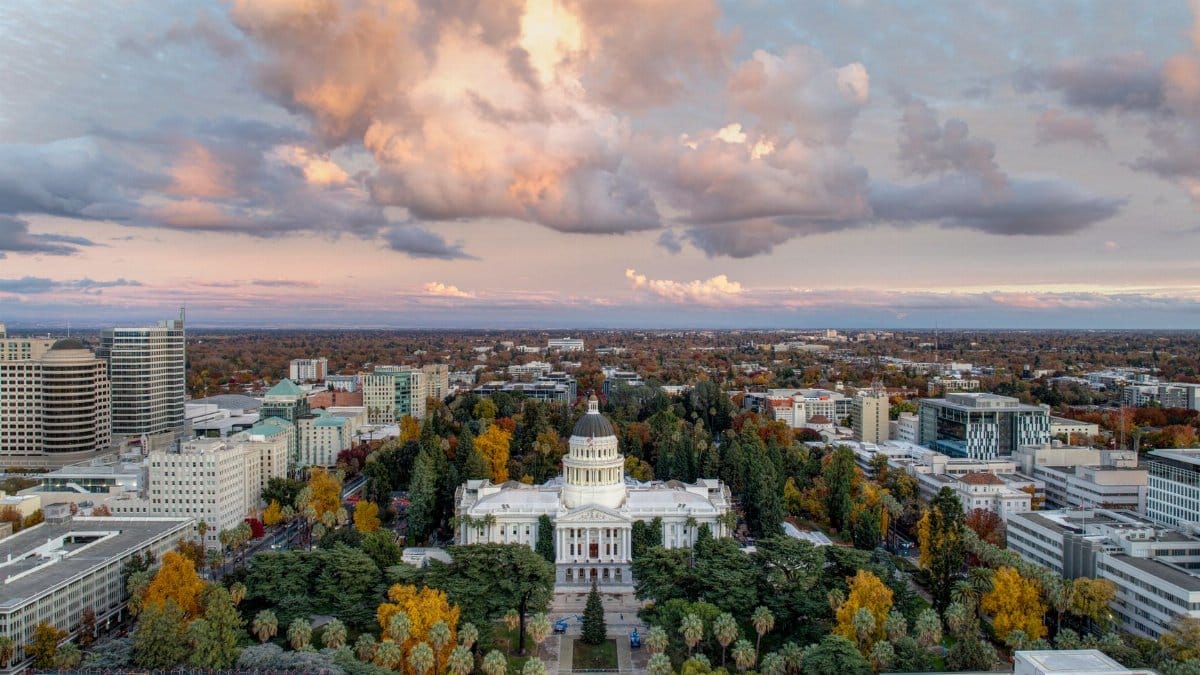
In Sacramento this week state leaders concluded lengthy talks and produced California $351.7 Billion Budget Deal Newsom. The agreement draws on fresh revenue from technology firms to close a projected shortfall without the drastic reductions that had seemed likely only months earlier. Lawmakers from both parties joined Governor Gavin Newsom in praising the outcome as a way to protect core services while also setting aside funds for future needs. Observers note that the package reflects a shift in state revenue patterns driven by growth in artificial intelligence. The deal still requires formal approval yet its main elements are now clear.
Unexpected Revenue Supports Key Services

Corporate tax collections tied to artificial intelligence companies arrived well above forecasts and gave negotiators room to maneuver. Those receipts allowed the state to maintain funding levels for education and health programs that otherwise faced cuts. Analysts point out that such windfalls remain difficult to predict and could fade if markets shift. Even so the current numbers provided enough stability for the governor and legislative leaders to reach common ground on spending priorities.
Reserves Receive Measured Boost

Lawmakers chose to add several billion dollars to the state rainy day fund rather than spend every available dollar. This step follows earlier warnings from fiscal watchdogs who urged caution after recent swings in revenue. The added reserves aim to cushion the budget against an economic slowdown that might arrive within the next two years. Officials described the move as a prudent balance between present demands and future security.
Housing Bond Measure Advances

The agreement includes support for a bond proposal that would finance construction of affordable units across several regions. Sponsors argue that new homes will ease pressure on rents and help families remain in high cost areas. Critics question whether the bond alone can address supply shortages without changes to local zoning rules. The measure will appear on a future ballot and faces scrutiny from both housing advocates and taxpayer groups.
Medi Cal Program Holds Steady

Funding for the states health coverage expansion stays intact under the new plan. Program directors had feared reductions that could limit enrollment or benefits for low income residents. The preserved allocation reflects the priority placed on health access during negotiations. Some lawmakers still seek longer term reforms to control costs as enrollment grows.
Education Funding Sees Modest Gains

Schools receive a small increase above prior levels thanks to the stronger revenue picture. District leaders say the added resources will help cover rising pension obligations and supply expenses. At the same time higher education campuses secure continued support for research and student aid. University officials welcomed the outcome yet noted ongoing concerns about inflation in operating costs.
Legislative Compromise Shapes Final Package
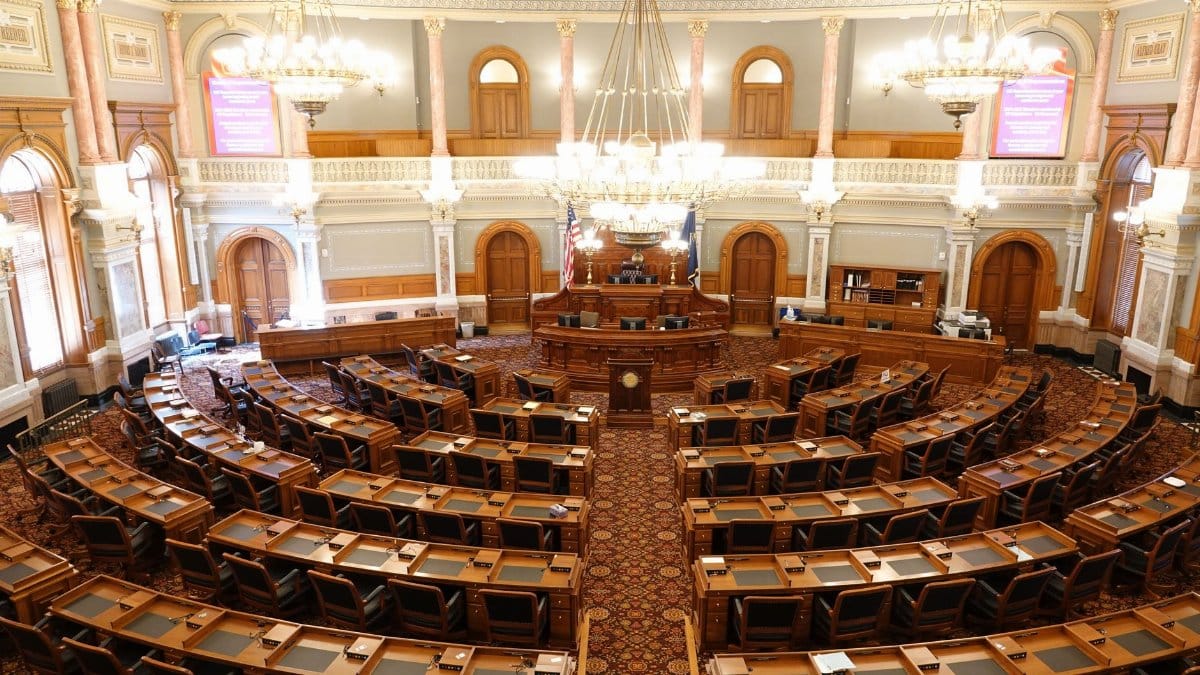
Negotiators bridged differences between assembly and senate proposals through extended closed door sessions. The governor played an active role in guiding talks toward a workable middle ground. Both parties accepted provisions they had initially opposed in order to complete the budget on time. The result shows how divided government can still produce agreements when external revenue helps ease pressure.
Outlook Remains Tied to Economic Trends

Future budgets will depend heavily on whether technology sector growth continues at its recent pace. A slowdown could force difficult choices in coming years even with current reserves in place. Lawmakers plan to monitor monthly revenue reports closely and adjust spending if needed. The present deal therefore represents one chapter in an ongoing effort to manage state finances amid rapid change.