
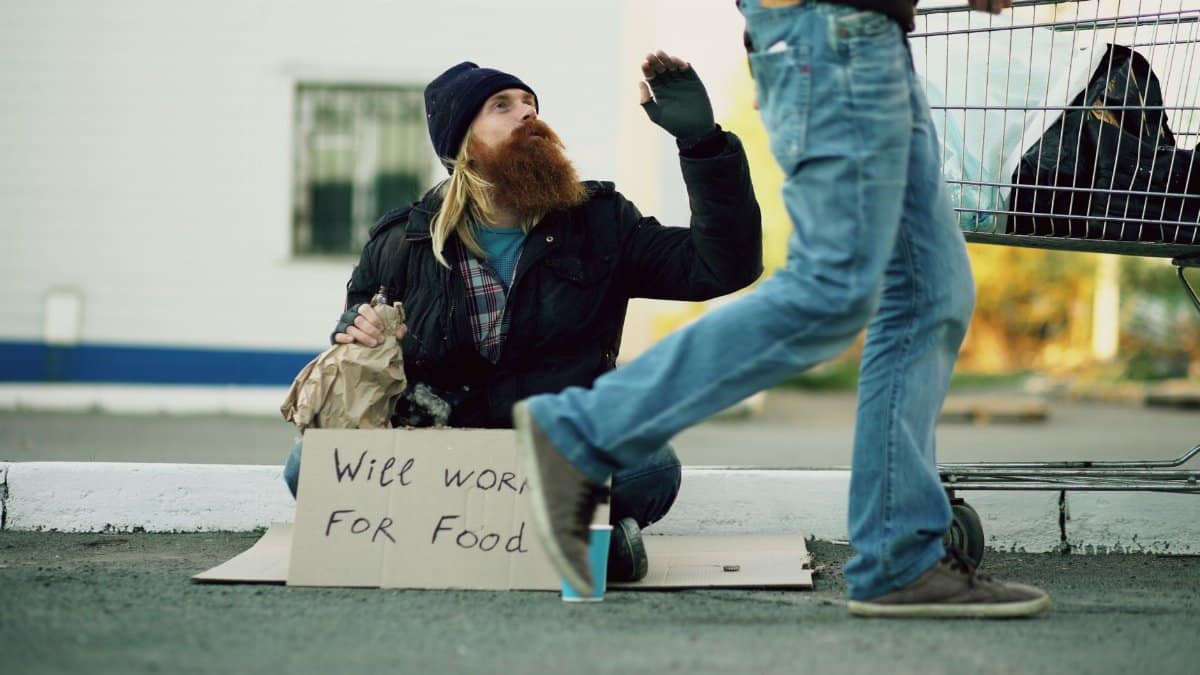
On a Tuesday morning in Englewood, the line outside a church pantry formed before the doors opened, paper bags already folded under arms. People spoke quietly about rent, bus fare, and the price of milk. A new survey has put numbers to what those lines have been saying for months. Illinois food insecurity is climbing, and nearly half of residents say they cannot always afford enough to eat. The finding arrives as grocery counters thin out in some neighborhoods and federal food aid faces tighter limits. It is a household story as much as a policy story, measured in skipped dinners and smaller carts.
A Number That Should Stop the Room

Forty five percent is not a rounding error. Reporting by WTTW on a Hunger Free America survey found that 45 percent of Illinois residents cannot always afford enough food. The account, published in late November 2026, treats the rise as a widening problem rather than a brief seasonal spike. Hunger Free America, whose work is described at Hunger Free America, has long asked households a plain question: can you reliably buy the meals you need? When nearly half of a state answers no, hunger is no longer confined to the poorest blocks. It reaches workers with paychecks, retirees on fixed incomes, and parents who still have jobs and still come up short at the register.
The figure also corrects a common mistake. Food hardship is often pictured as total absence, an empty refrigerator and nothing else. The survey language is more precise, and more unsettling. People can have food on some days and not on others. They can feed children and skip their own lunch. They can buy calories and still fail to buy a decent diet. That gap between getting by and getting enough is where Illinois food insecurity now sits for a very large share of the state.
What the Survey Is Really Measuring

Household food surveys do not count crumbs. They ask whether money ran out, whether meals were cut, whether adults ate less so children could eat, and whether that happened in the past year or the past month. A yes on those questions is not a mood. It is a record of tradeoffs. Rent or groceries. Medicine or meat. A bus pass or a dozen eggs. Researchers use those answers because they capture strain that a single poverty line can miss. A family can sit just above an official threshold and still be unable to keep a steady table.
Illinois has heard versions of this warning before. Federal measures from the Economic Research Service at the U.S. Department of Agriculture have long shown that food hardship rises when prices jump and when aid recedes. What feels new in the Hunger Free America finding is the breadth. Forty five percent is not a fringe. It is close to a description of ordinary life. Journalists and pantry directors have been saying the same thing in different words: the people in line look like the people in the pews, the break room, and the school pickup lane.
Snap Aid and a Thinner Cart
Supplemental Nutrition Assistance Program benefits, still called SNAP by most families and food stamps by many older residents, remain the main public tool for buying food. When those benefits shrink, the effect is immediate and local. A household does not experience a budget debate in Washington. It experiences a card that stops sooner in the month. Stores see it too. Purchases bunch up in the first days after benefits load, then fall off. Produce, milk, and protein are often the first items dropped, because shelf stable calories stretch further even when they nourish less.
Cuts and tighter rules do not land evenly. Households with children, people with disabilities, and adults who work unsteady hours have less room to absorb a smaller allotment. A missed shift, a higher utility bill, or a rent increase can erase the margin that benefits were meant to protect. Advocates argue that treating SNAP as optional spending ignores what it actually does: it keeps grocery demand alive in neighborhoods where private wages have not kept pace with prices. Weakening it does not create thrift. It moves the cost onto churches, relatives, and emergency rooms.
When the Store Itself Disappears
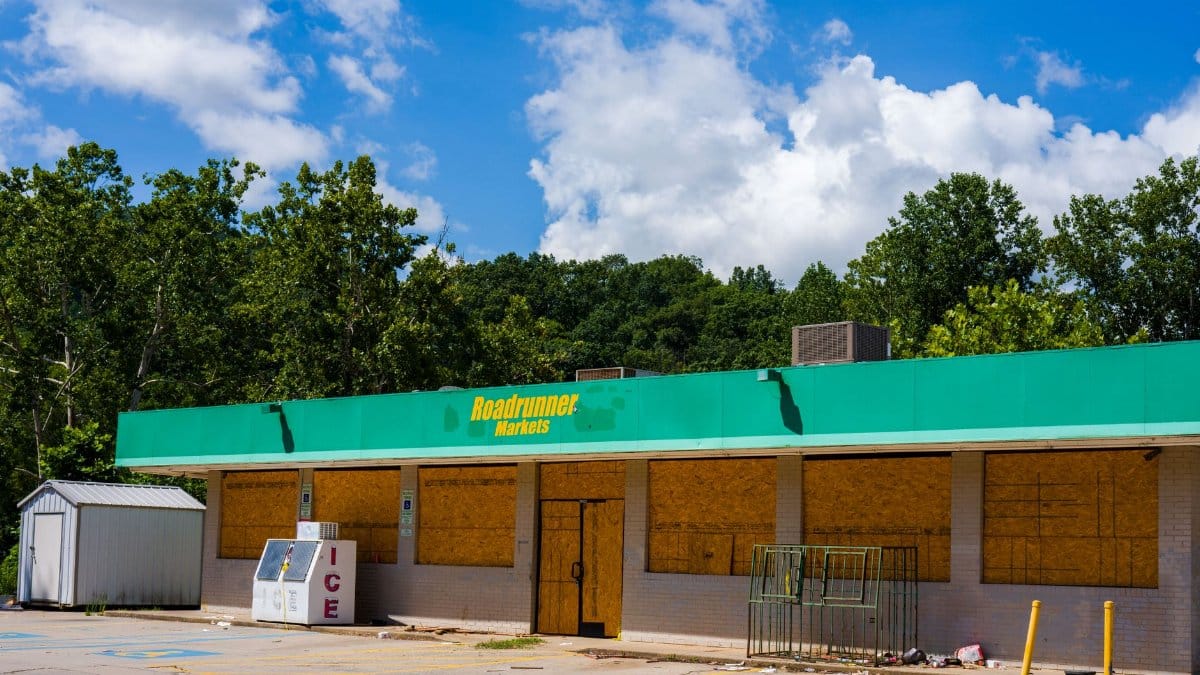
Aid on a card is only useful if a store will take it and still be open. Across Chicago and in smaller cities, residents have watched grocers close, chains retreat, and independent shops fail after thin margins and rising costs. A closure is not only a lost employer. It is a longer bus ride with bags, a higher cab fare, or a choice between the corner store’s limited stock and a supermarket an hour away. In places already short on full service groceries, one shutdown can turn a difficult shop into an impractical one.
Food deserts are an old phrase, and some planners dislike it because it can sound permanent. The lived version is simpler. If the nearest place with fresh food is far, expensive, or both, diet becomes a function of transportation. Older adults who no longer drive feel this first. So do parents managing school schedules without a car. Store closures and benefit cuts reinforce each other. Less aid means less spending in fragile stores. Fewer stores mean the remaining aid buys less convenience, less freshness, and sometimes less dignity.
Children, Parents, and Older Neighbors

Hunger rarely announces itself at a single age. In schools, teachers notice children who are irritable after lunch or too tired to focus, and counselors hear about weekends with little in the cupboard. Parents often hide the shortage. They will describe a tight month before they will describe an empty one. That pride is understandable, and it also delays help. Weekend backpack programs and summer meal sites exist because the school cafeteria cannot cover every hour a child is hungry.
At the other end of life, older Illinois residents face a different arithmetic. Social Security and small pensions do not rise as fast as meat, produce, and medication. Many will not ask adult children for money. Some live alone, which removes the option of pooling groceries. Congregations see both groups in the same Tuesday line: a grandmother filling a bag for herself and a second bag for a daughter who works nights. The survey’s breadth makes sense once you stand in that line. Hardship is not a single demographic. It is a pattern running through families.
What Congregations See on Weeknights

Long before a statewide percentage made headlines, synagogues, mosques, parishes, and storefront churches were counting bags. Faith communities in Illinois have become a parallel food system, not because they replaced public aid, but because public aid has never covered every gap. Volunteers know the regulars by name. They also know when a new face appears after a layoff, a divorce, or a landlord’s notice. That knowledge is pastoral and practical. It tells a city where the official numbers are late.
There is a spiritual dimension here that is easy to sentimentalize and wrong to ignore. Feeding a neighbor is one of the oldest religious duties in the traditions that shaped this state, from church basements to mosque meal programs to Jewish food justice work. The duty is not a substitute for policy. A parish pantry cannot match the scale of SNAP, and it should not be asked to. What congregations can do is refuse invisibility. They can say, without drama, that the people they serve are not statistics waiting for a better quarter. They are members, relatives, and fellow citizens already here.
Chicago and the Counties Beyond It

It is tempting to treat this only as a Chicago story, because the city’s South and West Sides have carried food access failures in public view for decades. The survey result is larger than that map. Downstate towns lose grocers when a single chain pulls out. Collar counties have high rents and long commutes that leave little for food even when lawns look prosperous. Rural counties face distance: a 30 minute drive for milk is normal, and it becomes a crisis when gas is expensive or the car fails.
Illinois food insecurity therefore needs more than one fix aimed at one skyline. Urban transit, rural delivery, and suburban rental costs all shape what a benefit dollar can buy. A pantry model that works in a dense neighborhood may fail where volunteers must cover a county. State leaders who speak only about Chicago will miss the quieter shortages in county seats. Leaders who speak only about rural decline will miss the blocks where a closed grocer and a cut benefit arrive in the same season.
Work Does Not Guarantee a Full Table

The most stubborn myth in this debate is that a job settles the question. Many of the adults in pantry lines are employed. They stock shelves, care for patients, clean buildings, drive routes, and staff schools. Their hours fluctuate. Their wages have not matched rent and groceries. A household can be above the line for some aid programs and still unable to buy food through the last week of the month. That is not a failure of thrift. It is a failure of prices and pay to meet.
Work requirements attached to food aid sound tidy in a hearing room. On a kitchen table they can mean a parent loses benefits during a gap between jobs, or an adult with unreliable transit misses a reporting appointment and loses the card that was buying cereal. The survey’s 45 percent figure should make lawmakers cautious about any rule that assumes hunger is mainly a motivation problem. People who are already working and still unable to afford food do not need a lecture. They need a benefit that lasts as long as the month does.
What Would Actually Move the Number
No single program will cut a figure that large in one budget cycle. The levers are known, and they are unglamorous. Protect and, where the law allows, strengthen SNAP so the card does not die in the third week. Keep summer and after school meals funded so children are not the shock absorbers of adult budgets. Use state and local tools to slow grocery closures: grants for independent grocers, support for cooperative markets, and transit that actually reaches full service stores. Measure success in repeat shopping, not in ribbon cuttings.
Households also need wages and housing costs that leave room for food. A raise that is swallowed by rent does not fill a refrigerator. Zoning and subsidy choices that lock families into long, expensive commutes steal the same dollars. None of this is mysterious. It is a choice about which bills the public will help carry. Leaving nearly half of residents unsure they can afford enough food is also a choice, even when it is described as fiscal caution.
The Months Ahead

Winter is a hard auditor. Heating bills compete with groceries, and holiday generosity, real as it is, does not rewrite a benefit formula. Pantry directors in Illinois are already planning for heavier traffic if SNAP remains tight and if more stores go dark. They will feed who they can. They should not be left to imply that charity has solved a problem the survey just measured in nearly every other household’s range of worry.
Readers far from a pantry line can still treat the 45 percent finding as civic news, not as someone else’s misfortune. Illinois food insecurity at that scale changes schools, hospitals, and the tax base that depends on people well enough to work. It also tests a simpler claim, one congregations have made longer than any survey: a society is judged by whether its members can eat. The line in Englewood is not waiting on a better metaphor. It is waiting on a month in which the money and the store both last.