

In a laboratory at Yale University scientists have made a discovery that is generating widespread interest among health conscious individuals. The investigation reveals that exercise slow cancer development by fundamentally altering the way the body processes nutrients. This finding comes at a time when many middle aged adults are seeking ways to take an active role in their wellbeing. Rather than viewing physical activity as merely beneficial for heart health or weight management this research points to direct effects on tumor biology. The study involved mice with implanted tumors. Those given access to running wheels showed significantly slower tumor growth compared to sedentary counterparts. By shifting the metabolism away from pathways that cancer cells prefer exercise appeared to create an inhospitable environment for malignancy. These results while preliminary offer a compelling reason to reconsider the role of movement in comprehensive care strategies.
The Science Behind the Yale Discovery

Researchers at Yale University designed an experiment to test the effects of voluntary wheel running on tumor progression in mice. The results published in a recent medical journal demonstrated clear differences between active and inactive groups. According to the report available at this summary of the Yale study the exercising mice exhibited slower tumor growth rates by nearly half. Scientists measured metabolic markers and found that physical activity changed how sugar and fat were processed throughout the body.
This metabolic reprogramming seems to limit the resources available to cancer cells. Instead of relying on rapid glucose fermentation a hallmark of many tumors the active animals showed signs of normalized energy regulation. The study adds to a growing body of evidence suggesting that lifestyle factors can influence disease at the cellular level. For readers approaching retirement age or caring for aging parents these findings may encourage a fresh look at daily habits that were previously seen as optional.
How Movement Changes Energy Use in Cancer Cells

Cancer cells typically thrive on abundant glucose converting it quickly into energy even in the presence of oxygen. The Yale research indicates that regular physical activity disrupts this preference. Muscles engaged in sustained movement consume glucose at higher rates leaving less available for tumors. Beyond simple competition exercise triggers broader systemic changes that affect how tumors metabolize nutrients.
In the active mice tumors began relying more on oxidative pathways which are less efficient for rapid growth. This shift effectively starved the cancer cells of their preferred fuel source. The phenomenon highlights the intricate connection between whole body physiology and microscopic tumor behavior. Such insights resonate with those exploring integrative methods because they suggest the human body possesses built in regulatory mechanisms that can be activated through consistent movement.
Proteins Released During Activity and Their Effects
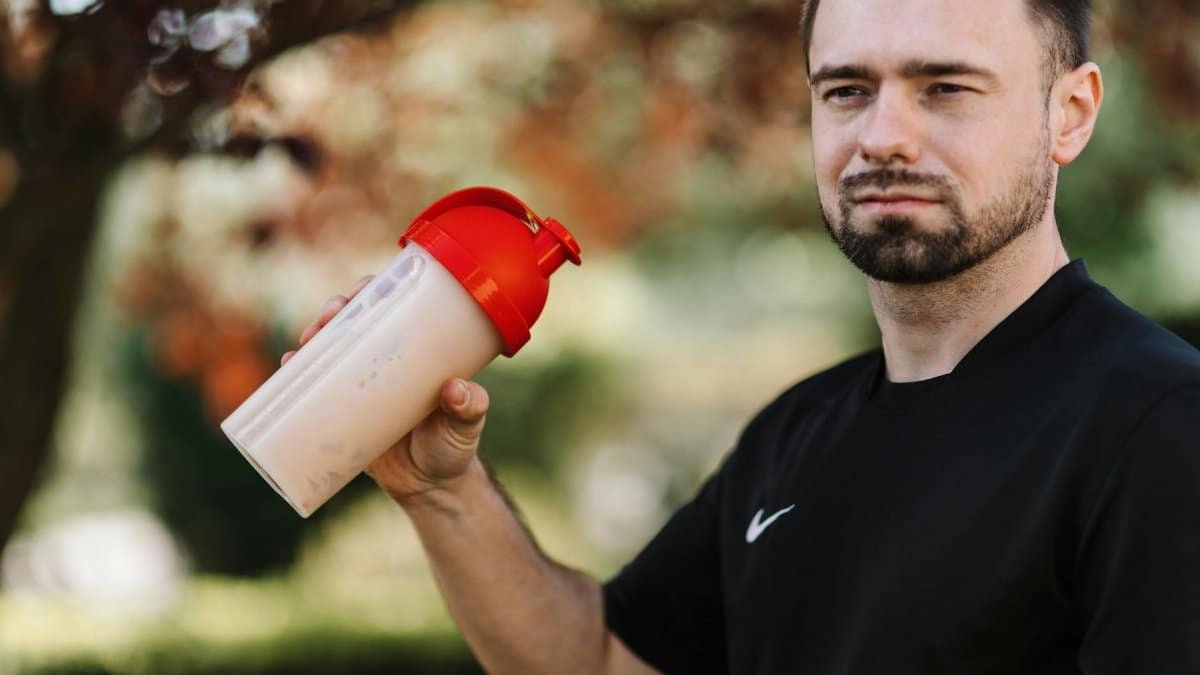
During exercise muscles secrete specialized proteins known as myokines. These molecules travel through the bloodstream and appear capable of directly influencing tumor cells. One key myokine identified in similar studies interacts with receptors on cancer cells to slow their division. The Yale team documented elevated levels of these proteins in the exercising mice correlating with reduced tumor volumes.
This biological communication between muscle and tumor represents an exciting frontier in medical research. It suggests that the benefits of movement extend far beyond cardiovascular fitness or muscle tone. For middle aged readers who may feel their bodies changing with time understanding these molecular signals can transform how one approaches physical activity. What once seemed like mere maintenance becomes a proactive strategy for cellular health.
Building a Stronger Immune Response Through Movement
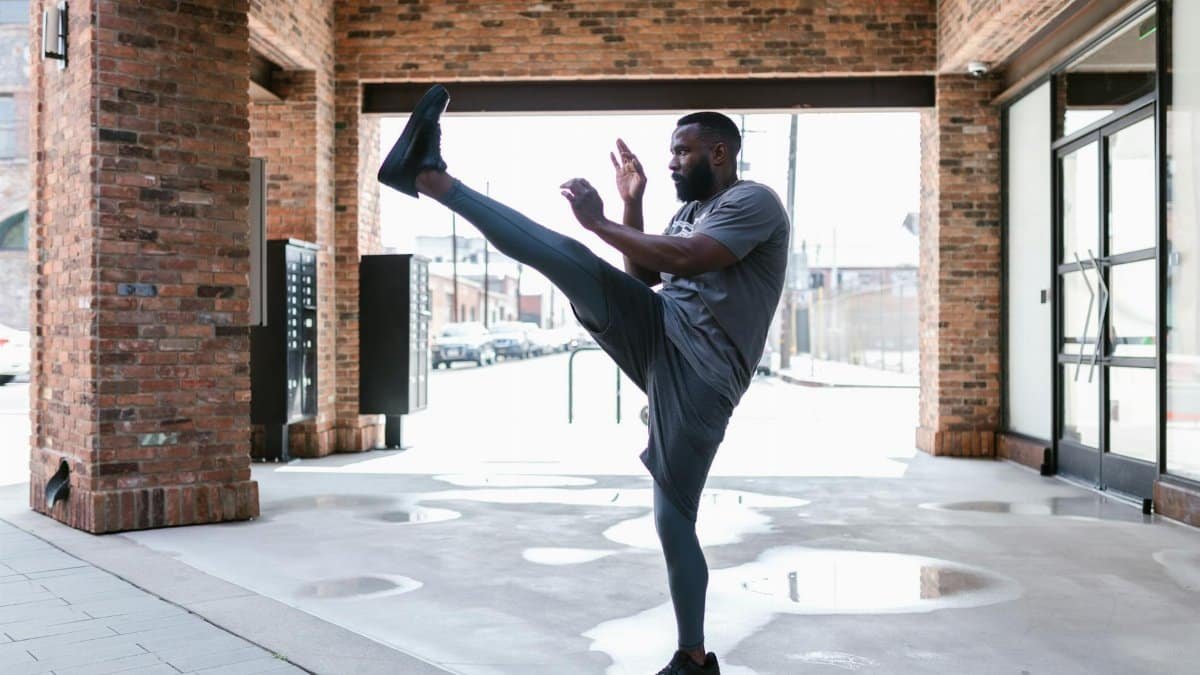
Physical activity has long been associated with enhanced immune function and the current research reinforces that link in the context of cancer. Exercise promotes circulation of natural killer cells and other immune components that target abnormal growths. In the Yale experiments active mice showed increased infiltration of these protective cells into tumor tissue.
The combination of metabolic stress on cancer cells and bolstered immune surveillance creates multiple obstacles for tumor development. This dual action may explain why epidemiological studies consistently associate higher physical activity levels with better outcomes in certain cancers. Readers navigating health concerns in their forties fifties and beyond might find motivation in knowing that daily walks or gentle strength sessions could support the bodys own defenses in meaningful ways.
Finding Spiritual Fulfillment in Physical Practice

Beyond the laboratory data many people discover profound spiritual dimensions in regular movement. Practices such as mindful walking yoga or tai chi allow individuals to connect with their bodies in ways that foster inner peace and resilience. Within the realm of spiritual news and trends this Yale study invites reflection on how physical discipline might align with deeper healing intentions.
For those drawn to holistic perspectives exercise becomes more than a prescription. It transforms into a form of moving meditation that reduces stress hormones known to promote inflammation. The sense of agency gained through consistent practice often leads to improved emotional wellbeing which itself influences physiological processes. Communities exploring these intersections report that spiritual fulfillment and physical vitality reinforce one another creating a positive cycle that supports overall health.
Real World Experiences of Those Incorporating Exercise

Although the Yale work focused on mice countless individuals have shared stories about integrating movement after receiving concerning diagnoses. Many describe feeling empowered by taking an active part in their care routines. One participant in a related wellness program noted that daily nature walks helped restore a sense of purpose during treatment.
These accounts though anecdotal align with the biological mechanisms observed in the laboratory. Patients often report better energy levels improved mood and greater tolerance for conventional therapies when they maintain appropriate activity. Medical teams increasingly recognize the value of such experiences as they counsel people on lifestyle choices that complement medical protocols. The growing interest in this area reflects a cultural shift toward viewing health through multiple lenses including spiritual and communal support.
Integrating These Insights into Everyday Life

Translating laboratory discoveries into practical recommendations requires careful consideration of individual circumstances. Most experts suggest starting with moderate activity such as brisk walking thirty minutes most days of the week. The goal is consistency rather than intensity especially for those new to regular movement or managing other health conditions.
Simple adjustments like gardening cycling or swimming can provide the metabolic benefits highlighted in the research. The key lies in finding activities that feel sustainable and enjoyable over time. For middle aged audiences balancing work family and personal health this approach feels attainable. Small increments of movement accumulated throughout the day may collectively produce the systemic changes that help regulate energy use and support immune function.
Perspectives from Medical Professionals

Oncologists and integrative medicine specialists have responded to the Yale findings with cautious optimism. Many already recommend physical activity as part of comprehensive cancer care yet they emphasize that exercise should complement not replace evidence based treatments. Dr. Elena Morales a researcher in exercise oncology noted that these results strengthen the rationale for prescribing movement with the same seriousness as medication.
Professionals stress the importance of personalized plans developed with qualified trainers or physical therapists familiar with cancer related considerations. This collaborative approach ensures safety while maximizing potential benefits. The conversation among medical experts continues to evolve as additional human trials explore optimal timing intensity and types of activity for different cancer types.
Recognizing the Limitations of Current Research

While the Yale mouse study offers promising clues important limitations must be acknowledged. Rodents possess different metabolic rates and cancer biology compared to humans. The controlled laboratory environment cannot fully replicate the complexity of human lifestyles nutrition and emotional factors that influence health outcomes.
Furthermore not all cancers respond identically to metabolic changes. What works for one tumor type may prove less effective for another. These realities temper enthusiasm and underscore the need for larger scale human studies. Responsible reporting requires presenting both the hope and the boundaries of what current data can tell us. Readers deserve transparency so they can make informed decisions without unrealistic expectations.
Future Directions for Wellness Investigations

Scientists are already planning follow up research to determine whether similar metabolic shifts occur in human participants. Clinical trials will test specific exercise protocols alongside standard treatments to measure impacts on tumor progression survival rates and quality of life. Advanced imaging techniques may soon allow researchers to observe real time changes in tumor metabolism during physical activity.
This expanding field intersects with spiritual news and trends as investigators increasingly consider holistic outcomes including mental clarity emotional balance and sense of connection. The coming years promise richer data that could reshape how medicine approaches prevention and supportive care. For those invested in long term wellbeing these developments signal an exciting convergence of ancient wisdom about movement and modern scientific validation.
Adopting a Complete Strategy for Health Recovery

The Yale study reinforces the wisdom of addressing health from multiple angles simultaneously. Nutrition sleep stress management and physical activity work together as parts of an interconnected system. When approached holistically these elements may amplify one anothers positive effects creating conditions less favorable for disease progression.
Individuals exploring spiritual dimensions often find that this complete strategy resonates with their values. Practices that unite body mind and spirit provide motivation to maintain healthy habits even during difficult periods. The evidence that exercise influences cancer biology at such a fundamental level adds scientific weight to approaches that have sustained human cultures for generations. As research progresses the boundary between conventional and complementary care continues to soften opening new possibilities for personalized healing pathways.
The Mind Body Connection in Fighting Disease
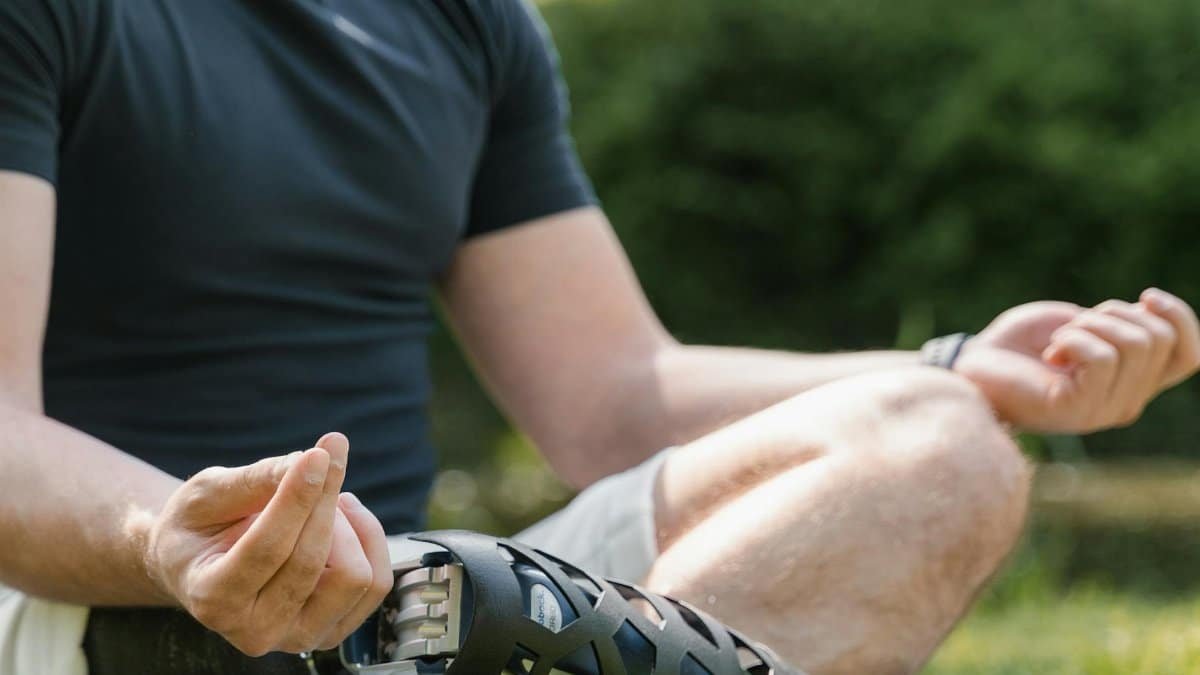
Emerging research including the Yale investigation illuminates the sophisticated dialogue between conscious choices and unconscious biological processes. The mind body connection once dismissed by some in mainstream medicine now receives serious attention in oncology research. Stress reduction through mindful movement appears to influence gene expression and inflammatory pathways in ways that matter for cancer outcomes.
This perspective encourages readers to view their daily decisions as meaningful contributions to health rather than peripheral concerns. Whether through contemplative walking breathing exercises or group movement classes the act of engaging the body with intention carries potential to support healing on multiple levels. As society grows more receptive to these integrated models the findings from laboratories like Yale provide timely validation for what many have sensed intuitively for years. The evolving understanding of how exercise slow cancer through interconnected systems offers both practical guidance and philosophical comfort to those seeking wellness in an uncertain world.