
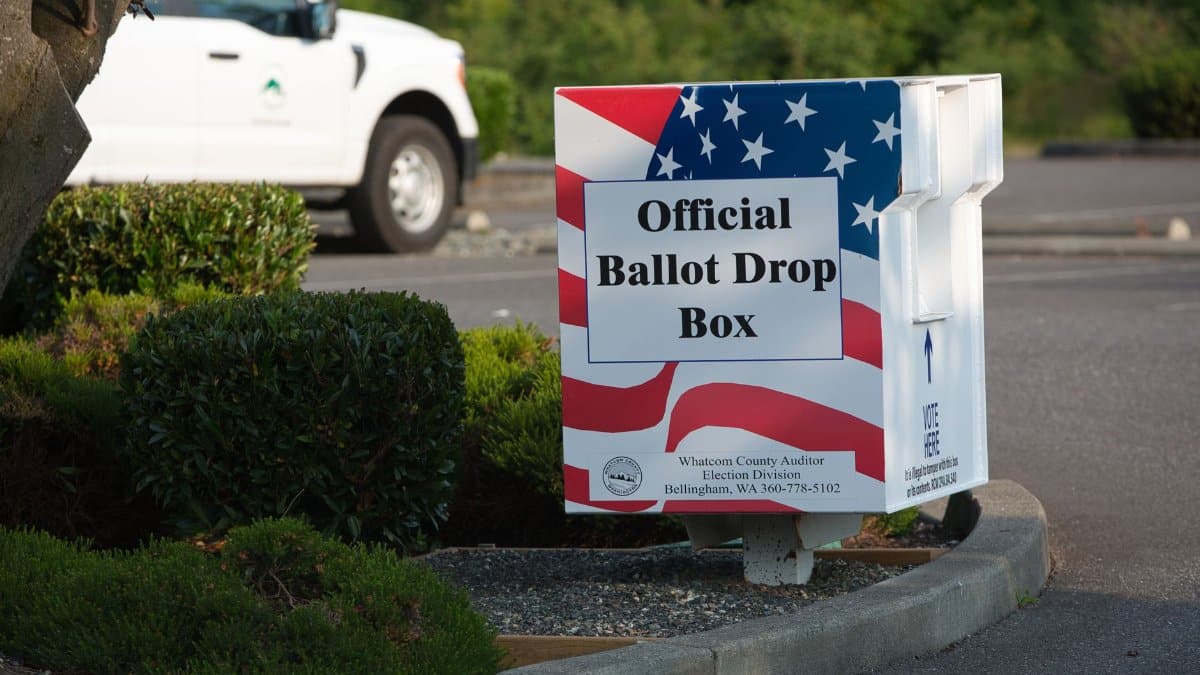
On a gray morning in western Washington, a voter pulls up to a metal ballot box, slides an envelope through the slot, and drives away in less than a minute. Nearby, two soldiers in ordinary jackets stand at a distance, unarmed and out of uniform, watching the box and the street around it. The arrangement is new enough to startle people who have used these boxes for years without a second thought. Officials describe the work as National Guard ballot boxes monitoring in seven counties, a quiet deployment meant to deter tampering while trying not to scare anyone off from voting.
A deployment that looks nothing like a parade
The soldiers are not lining sidewalks with rifles or blocking traffic. They are members of the Washington National Guard assigned to watch selected drop boxes in plain clothes. They carry no weapons. Their job, as state and local leaders have framed it, is presence: notice suspicious activity, call local law enforcement, and leave the handling of ballots to election staff. That distinction matters. A soldier who opens a box or touches a ballot would cross a line that election law does not allow. Observation is the assignment. Custody of the vote stays with county auditors and their teams.
For readers who remember Guard deployments after storms or wildfires, the image can feel mismatched. Ballot boxes are civic furniture, not disaster zones. Yet the same logic that puts troops near a washed out highway can put them near a box that has been threatened, vandalized, or simply feared. The question is whether the fear is proportionate to the risk, and whether the remedy creates a new kind of unease.
Why seven counties and not the whole state

Washington runs elections largely by mail. Drop boxes are a convenience and, for many people, a habit. Not every county is receiving the same level of attention. Leaders have focused on seven counties where tensions, threats, or prior incidents have raised concern among election administrators. The rest of the state continues with the ordinary mix of cameras, locks, chain of custody logs, and staff who already know their routes by heart.
Limiting the footprint is a political choice as much as a logistical one. A statewide show of force would read as a crisis even if the underlying incidents were local. A narrower watch lets officials say they are responding to specific worries without implying that the entire election apparatus is under siege. Voters in unaffected counties may barely notice. Voters in the seven may notice every unfamiliar face near a familiar box.
Plain clothes and the problem of being seen

Uniformed troops would be unmistakable. Plain clothes soldiers are harder to read. A person in a hoodie near a box could be a neighbor, a journalist, a party volunteer, or a soldier. Ambiguity cuts both ways. It can reduce the sense of militarization. It can also feed rumor, because people fill gaps with whatever story they already believe about the election.
Election offices have tried to explain the role in advance: unarmed, observational, coordinated with sheriffs and police, not empowered to question voters about their choices. Explanation only works if it reaches the people who use the boxes. A press release does not walk up to a driver at dusk. Signage, local news, and word of mouth have to do that work. Where they fail, the National Guard ballot boxes effort can look like surveillance rather than service.
The legal line between protection and pressure

Federal and state law protect the right to vote free from intimidation. Watching a public box is not the same as blocking it, filming voters at close range, or demanding identification that the law does not require. Still, the feeling of being watched can change behavior even when no rule is broken. Older voters, new citizens, and people who have had hard encounters with authority may turn around rather than approach a box that feels occupied.
County auditors remain the officials in charge of ballots. The Guard does not certify results, cure signature issues, or decide which envelopes count. That separation is the safeguard. If it holds, monitoring is an extra set of eyes on property that already belongs to the public. If it blurs, the state will have created a precedent that later administrations could stretch. Clarity on paper is not the same as clarity on a sidewalk at 7 p.m.
What a drop box already does on an ordinary day
Before any soldier arrives, a typical box is a locked steel container bolted in place, often under a camera, emptied on a schedule by a bipartisan or staff team that logs the pickup. Envelopes go to a processing center. Signatures are checked against voter records. Ballots are not tallied in the parking lot. The romance of the box is that it feels immediate. The reality is a paper trail that begins after the slot closes behind the envelope.
Understanding that sequence lowers the temperature. A person who lingers near a box is not rewriting the count by standing there. Damage, theft, or fire can destroy ballots that have not yet been collected, which is why officials worry about the hours between deposit and pickup. Monitoring is aimed at that window. It does not rewrite how Washington counts votes once the envelopes are inside a secure room.
How local officials describe the partnership
Sheriffs, police chiefs, and auditors do not always share the same instincts. Some want visible deterrence. Some want the lowest possible profile so that voting feels routine. The Guard sits between those preferences, activated by the governor and placed where local requests and threat assessments overlap. Soldiers take direction on where to stand and whom to call. They do not set election policy.
That chain of command is worth stating plainly because rumor travels faster than org charts. A soldier is not a poll watcher for a campaign. A soldier is not a deputy with arrest powers unless separately commissioned, which these assignments are not built to do. The useful version of the partnership is boring: see something, report it, let the people who already handle crimes and ballots do their jobs.
A short history of worry around the boxes

Drop boxes became a flashpoint after the expansion of vote by mail and after high turnout elections in which close margins made every procedure feel fateful. Isolated cases of arson, sticky substances dumped into slots, and false claims about stuffed boxes have circulated for several cycles. Most boxes, most days, simply receive envelopes. The rare incident dominates the story because it photographs well and confirms a prior suspicion.
Washington has answered those incidents with locks, cameras, faster pickups, and public reminders that tampering is a crime. Adding soldiers is a further step, not the first. Readers should weigh it against that sequence rather than as a sudden confession that the system has collapsed. A government that adds a layer of watch is not automatically admitting that earlier layers failed. It may be admitting that trust has thinned, which is a different problem and a harder one to patch with personnel.
What monitoring can change and what it cannot
A visible or semi visible watch can discourage someone who planned to damage a box and then leave. It cannot stop a rumor that begins online and never touches metal. It cannot convince a person who believes the count is rigged that an extra pair of eyes proves honesty. Trust is built over many elections by accurate rolls, transparent audits, prompt reporting of problems, and officials who correct themselves in public. No weekend deployment substitutes for that record.
There is also a cost in attention. Every hour spent explaining soldiers is an hour not spent explaining signature cures, ballot deadlines, or how to track an envelope. Election staff are finite. When security theater crowds out voter education, participation can slip for reasons that have nothing to do with fraud and everything to do with confusion.
The politics of a uniform that is not being worn

Both major parties have reasons to claim the deployment. One side can call it proof that threats are real and that the state is finally serious. The other can call it proof that voting has been militarized and that ordinary citizens are being treated as suspects. Neither claim needs many facts to travel. The more precise account is smaller: seven counties, unarmed soldiers, plain clothes, observation only, ballots still in civilian hands.
I have stood near drop boxes in other years and felt nothing but the ordinary hurry of errands. The addition of National Guard ballot boxes monitoring changes the atmosphere even if the law does not change. Atmosphere is not nothing. Campaigns and officials who dismiss voter discomfort as oversensitivity will lose people who simply wanted a dull civic chore. Dull is a virtue in election administration. Excitement usually means something has gone wrong.
Voters who already feel watched
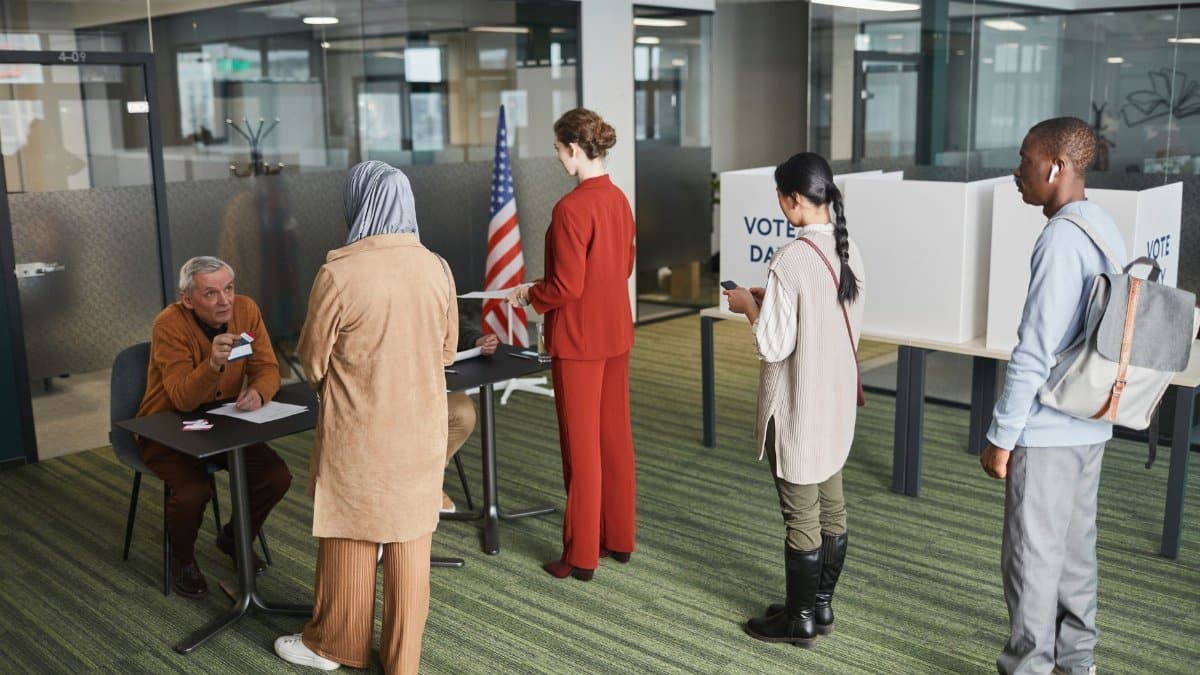
Some communities arrive at a ballot box with a longer memory of policing than others. A plain clothes observer may read as protection to one driver and as a checkpoint to the next. Officials cannot erase that difference with a fact sheet. They can reduce it by keeping distance, avoiding conversation about how someone voted, and making sure local election workers, not soldiers, are the people who answer questions about deadlines and replacement ballots.
Language access matters here as well. A voter who does not read the English notice on a county website may rely entirely on what the scene looks like. If the scene looks like enforcement, the notice never gets a chance. Counties that have invested in multilingual outreach should use those channels for this deployment specifically, not assume that a general security page will do.
After the ballots are collected

The interesting test is not the first photograph of a soldier near a box. It is the week after, when envelopes are processed and results take shape. If monitoring coincides with clean chain of custody and no credible reports of voter harassment, the experiment will look restrained. If voters report being questioned, filmed up close, or turned away by confusion, the state will owe a public accounting that goes beyond a press statement.
Audits, risk limiting checks where counties use them, and the ordinary canvass still do the real work of confirming the count. Soldiers do not appear in that paperwork except as a line in a security plan. That is as it should be. The vote is a civilian act. The count is a civilian responsibility. Security support that forgets either fact stops being support.
A standard for the next close election
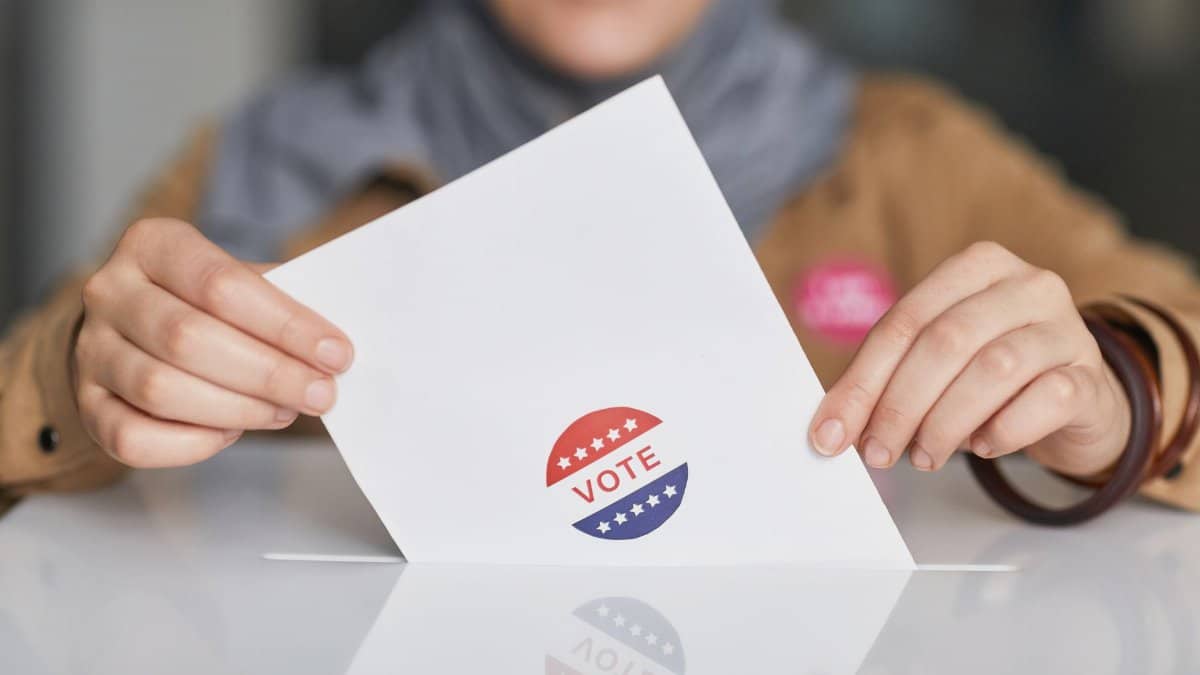
Whatever happens in these seven counties will be cited later. Governors in other states will be asked why they did or did not do the same. Activists will treat the deployment as a template or as a warning. The useful standard is narrow and testable. Did ballots remain under election official control? Did voters report intimidation that officials could verify? Did the presence match a documented threat rather than a general mood? Did the public receive a clear description before the first shift started?
Those questions do not require anyone to romanticize the Guard or to treat every security measure as an attack on democracy. They require proportion. A mailbox for ballots is not a fortress, and it should not become one. It is a promise that a vote cast in a parking lot will be counted under rules everyone can look up. National Guard ballot boxes monitoring can sit beside that promise only if it stays small, unarmed, and plainly subordinate to the auditors who already own the process.
What readers can do with the unease

Unease is a reasonable response to soldiers near a civic ritual, even when the soldiers are careful. The productive use of that feeling is practical. Check your county’s official page for drop box hours and pickup practices. Track your own ballot if the state tool allows it. Report actual interference to election offices and to law enforcement, and distinguish a person standing at a distance from someone blocking the slot. Ask local auditors, in public meetings, how they will measure whether the watch helped or harmed turnout.
None of that requires a theory about secret plots. It requires the same attention people give to schools, water districts, and road bonds. Elections fail in ordinary ways more often than in cinematic ones: missed deadlines, bad information, understaffed offices, rumors that outrun corrections. The seven county watch is one response to a specific fear. It is not a substitute for the slower work of making the process legible. If that work continues, the soldiers can leave and the boxes can go back to being furniture. If it does not, the next cycle will invent a louder remedy, and voters will be asked once again to trust a scene they did not request.