
In the remote reaches of northern Minnesota a vast wilderness has long drawn those seeking solitude and reflection amid pristine waters and towering pines. Recent lightning sparked blazes that tested both the land and those who protect it yet the Boundary Waters wildfires have now eased enough for national teams to depart with conditions improving daily.
Lightning as Nature’s Unpredictable Force
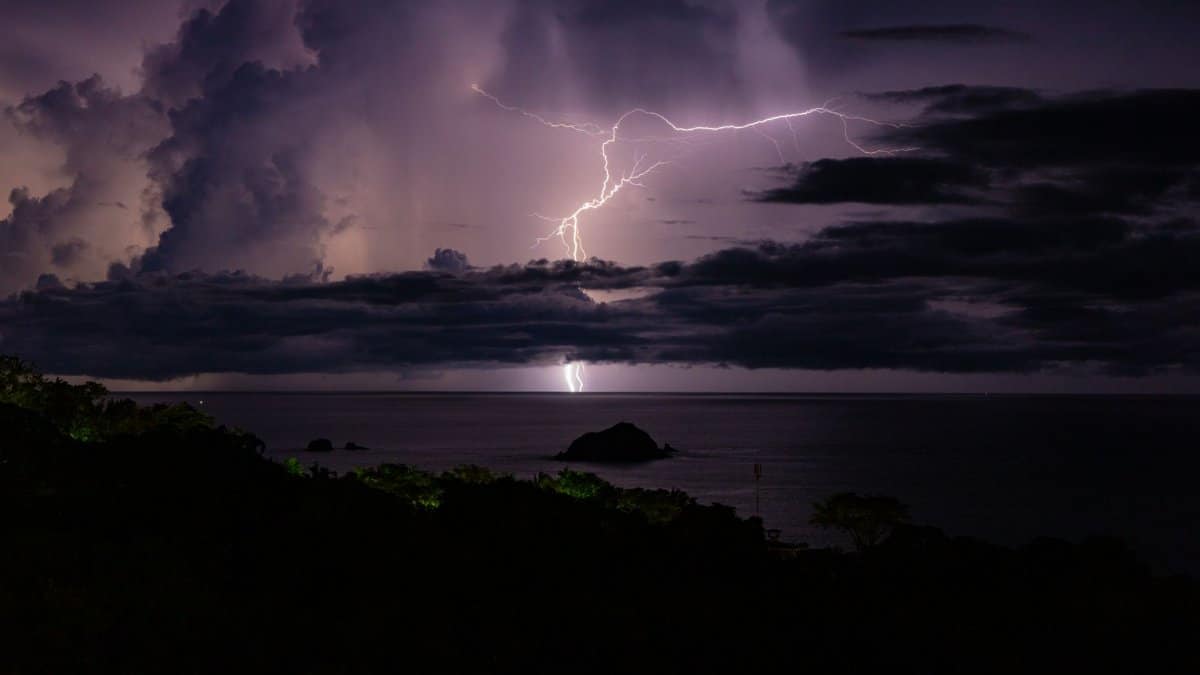
Summer storms brought dry strikes across the region igniting multiple spots that grew under warm winds. Fire managers monitored spread carefully while local crews established lines to safeguard communities and sensitive areas. The process revealed how such events fit into broader cycles of growth and renewal in wild spaces.
Coordinated Efforts from Across Regions

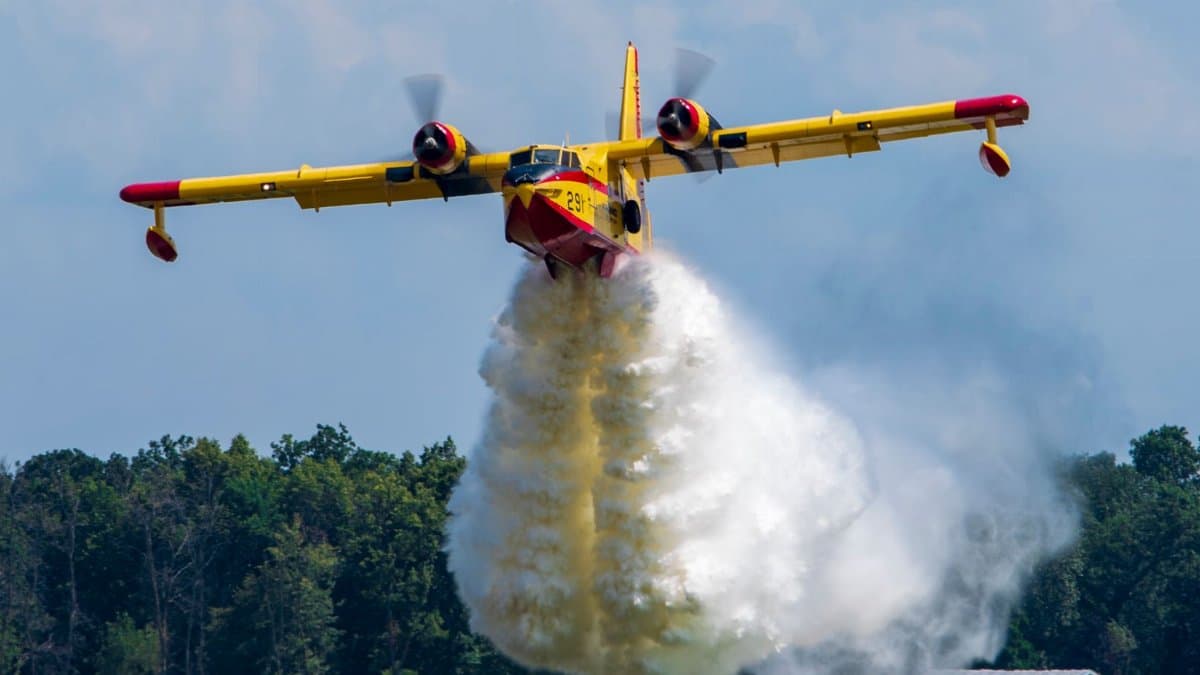
Teams arrived from western states to support Minnesota responders with specialized equipment and expertise in remote terrain. Their work focused on containment through strategic burns and water drops from aircraft. As smoke thinned daily the incident command structure prepared for transition back to local oversight.
Impact on Nearby Towns and Visitors

Residents in Ely and surrounding areas watched skies for signs of change while outfitters adjusted summer plans. Some trails closed temporarily yet others remained open with guidance from officials. The situation prompted conversations about preparedness and the value of quick communication during emergencies.
Ecological Shifts After Flames Subside
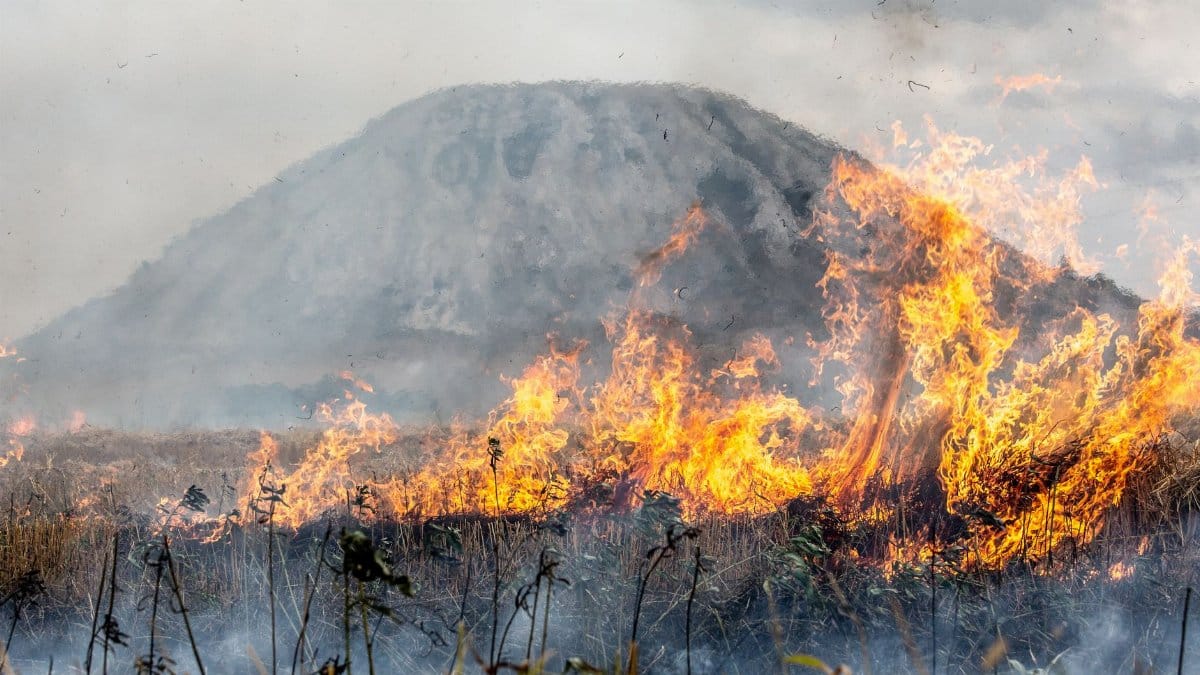
Forest floors now show patches of ash alongside surviving undergrowth that will foster new plant life in coming seasons. Wildlife patterns may adjust as animals seek fresh forage but the overall habitat demonstrates resilience built over centuries. Scientists note these disturbances often lead to greater diversity when left to natural processes.
Lessons in Resilience and Stewardship

Those who live near the wilderness speak of a deep connection to place that transcends any single event. Volunteers and agencies alike emphasize ongoing monitoring to prevent future issues through education and trail maintenance. Such dedication reflects a commitment to preserving these lands for generations ahead.
Spiritual Dimensions of Wilderness Recovery

Many visitors describe time in the Boundary Waters as a chance for inner quiet and perspective. The recent fires serve as a reminder of forces beyond human control yet also of renewal that follows hardship. Reflections on loss and regrowth appear in community gatherings where stories of survival mingle with hopes for healing landscapes.
Future Outlook for the Area
With national crews gone attention turns to long term restoration projects funded by state and federal sources. Monitoring will continue through fall to track any flare ups during drier periods. Overall the episode highlights effective collaboration that protected core values of this unique region.
Personal Reflections on Change in Wild Places

Standing at the edge of a recently cleared zone one senses both the power of fire and the quiet strength of recovery already underway. Such moments invite contemplation about humanity’s role in caring for natural wonders without overstepping boundaries set by nature itself. The experience leaves an impression of balance restored through patience and respect.