
On a quiet October night in the Queen Anne neighborhood, a federal prosecutor sat working at a computer and never rose from the chair. Shots came through a basement window. Neighbors later tried to sort ordinary city noise from the sound that ended a life. Twenty five years later, the Thomas Wales Seattle killing remains an open wound in a city that prides itself on process, evidence, and the idea that serious crimes eventually meet a name in court.
A prosecutor known beyond the courtroom
Thomas Wales was an Assistant U.S. Attorney in Seattle, a lawyer whose public life mixed white collar prosecutions with a plain spoken interest in civic argument. Colleagues described a careful writer of cases, the sort of lawyer who believed the file should speak before the personality did. He was also visible outside the office, especially on questions of gun violence, which made him unusual among prosecutors who prefer to keep advocacy and indictments in separate rooms.
That mix matters when people ask why this death still draws attention. Federal prosecutors are not celebrities. Their work is often technical, slow, and invisible until a plea or a verdict. Wales became known because the manner of his death collided with the ideals of the job. A person charged with enforcing federal law was killed at home, and the system he served could not, year after year, produce a defendant.
What the night of October 11 still shows
The killing occurred on October 11, 2001, in his house in Queen Anne. Investigators have long said the shooter fired from outside, through glass, while Wales was in a lower room. The scene suggested planning rather than a sudden fight on a sidewalk. There was no arrest at the curb, no suspect held for questioning that night, no confession that closed the file before dawn.
In the weeks after the attacks of September 11, national attention was elsewhere. Local grief did not wait for the national calendar. Friends, fellow lawyers, and neighbors absorbed a private catastrophe inside a public emergency. That timing has lingered in retellings, not as an excuse for failure, but as a reminder of how crowded the country’s fear already was when one Seattle house went dark.
Why federal investigators could not look away
An attack on a federal prosecutor is never only a local homicide. It touches the premise that lawyers can bring cases without becoming targets in their own kitchens. The FBI and the U.S. Attorney’s Office treated the death as both a murder and a challenge to the office. Agents worked the neighborhood, the professional life, the personal life, and the question of whether the killing was meant to silence a specific case.
Public updates have been spare, which is typical when a file is still open. Officials have said the investigation continues. They have also, at various points, publicized rewards for information. Readers who want the local record can start with reporting collected by The Seattle Times at its law and justice coverage. Federal violent crime resources sit at the FBI violent crime page. Those pages do not solve the case. They do show that the file was never treated as a forgotten municipal footnote.
Leads, silence, and the absence of charges
Over the years, investigators have examined professional conflicts, personal disputes, and the ordinary debris of a complicated adult life. Some lines of inquiry have been discussed in news reports. None has produced a charge that a court could test. That distinction is the whole case. Suspicion is not evidence. A theory that comforts a city is not a theory that survives a jury.
The Thomas Wales Seattle killing therefore occupies an uneasy category. It is famous enough that people assume someone must know. It is also empty enough, in the public record, that responsible writing has to stop where the charging documents never began. Naming a private person as the killer, without a conviction or even an indictment, would trade one injustice for another. The durable fact is simpler and harder: no one has been brought to trial.
Gun politics and a public voice
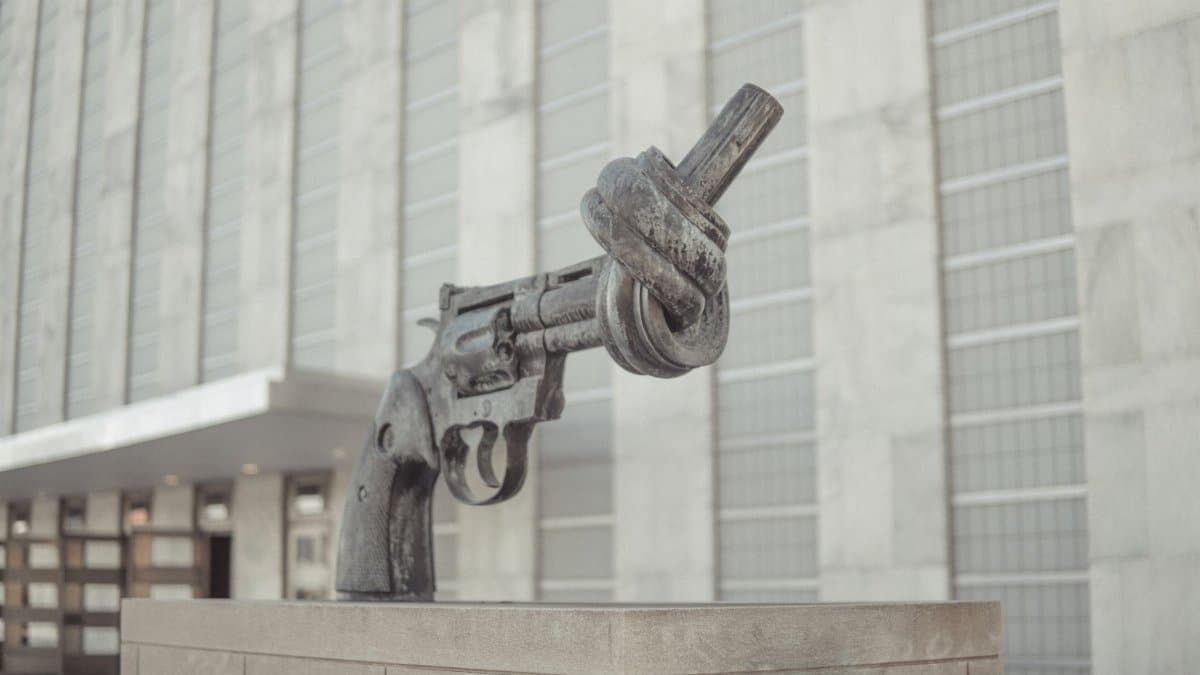
Wales spoke about gun control in a state where firearms are both a tool of rural life and a subject of sharp urban argument. Groups focused on reducing gun deaths counted him as an ally. After his murder, some listeners heard a political message in the bullets. Others warned against building a motive the evidence had not proved. Both instincts are human. Only one belongs in a courtroom.
What can be said without invention is that his civic work made the killing feel larger than a single house. People who had argued with him about policy, and people who had stood beside him, suddenly shared a fact they could not spin. A man who had talked about the cost of guns died by gunfire at home. The symbolism was obvious. The identity of the person who pulled the trigger was not.
Colleagues and the long professional shadow
Inside a prosecutor’s office, a killing of one of their own rearranges the air. Security reviews follow. Habits change. Lawyers who had treated the commute as ordinary begin to notice windows, parking, and the walk from the car. None of that restores the person. It does mark how institutions absorb fear when the threat is no longer abstract.
Former colleagues have marked anniversaries with statements that are notably short on theater. The tone is usually the same: the work continues, the case is not closed, the public should still call if a memory has aged into something useful. That restraint is its own kind of respect. It refuses the false comfort of a solved story.
Memory, ritual, and the need for meaning
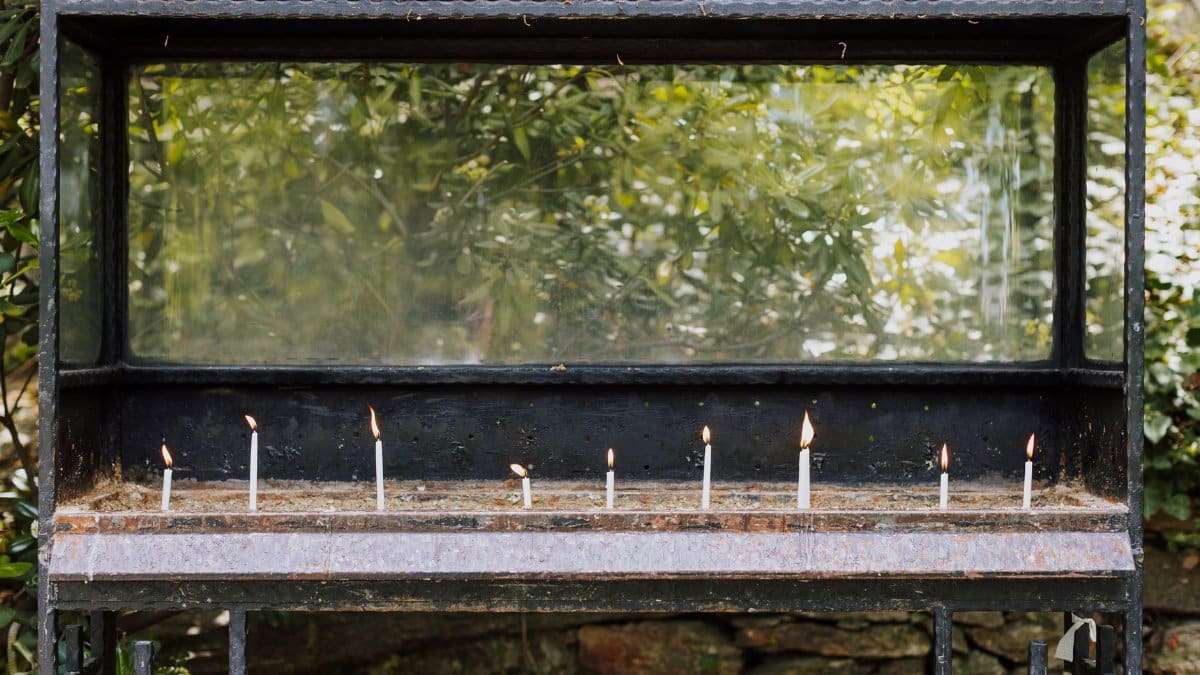
Unsolved killings press people toward ritual because ritual is what remains when verdicts do not arrive. Vigils, quiet gatherings, names read aloud, a moment of stillness in a church basement or a law school hall: these are not substitutes for evidence. They are how a community refuses to treat a death as administrative waste. In that sense the anniversary belongs not only to crime news but to the older human habit of keeping watch.
I have stood on Seattle streets where the houses look too settled to hold this kind of history, and the mismatch is the point. Ordinary architecture can conceal an extraordinary absence. Faith traditions differ on justice, mercy, and the duty to remember. They tend to agree that forgetting a killed neighbor in order to feel tidy is a spiritual failure, not a civic success. The Thomas Wales Seattle killing asks that question every October, whether or not a congregation uses those words.
What twenty five years does to a case
Time cuts both ways. Witnesses age. Memories soften. People who were afraid in 2001 may be less afraid now, or they may have died with what they knew. Documents scatter. At the same time, forensic tools improve, and a tip that once seemed trivial can meet a database that did not exist when the shot was fired. Cold cases sometimes break on a conversation, not a miracle.
That possibility is why officials still ask the public to come forward. It is also why false certainty is a hazard. Social media rewards the confident theory. A homicide file rewards the patient one. Anyone with a real recollection can reach local police or the FBI. Anyone with only a hunch should resist the urge to publish a name and call it courage.
The city that kept the file open

Seattle has changed since 2001. Neighborhoods have grown richer, politics have hardened, and the news cycle has learned to abandon stories before the second week. The Wales case resisted that abandonment, partly because federal agencies do not like unfinished business involving their own, and partly because local journalists kept returning to the date. Persistence is not the same as progress. It is still better than amnesia.
Readers sometimes want a moral that arrives on schedule. This story does not offer one. It offers a prosecutor, a window, a city, and a quarter century of unanswered questions. The Thomas Wales Seattle killing endures because the facts that are known are stable and the fact that is missing is the only one that would let the rest lie down.
An anniversary without a closing argument

Sunday’s mark of twenty five years will not read like a finale. There is no defendant to sentence, no family statement that can convert grief into closure, no office memo that can declare the matter historical. What there is, if people are willing to sit with it, is a record of attention. Attention is not justice. It is the minimum a lawful society owes when justice stalls.
The Thomas Wales Seattle killing should be spoken of with precision: a federal prosecutor shot to death at home, a case still open, a public still invited to share what it knows. Everything beyond that is commentary. Commentary can honor the dead. It cannot take the place of the name that investigators have spent twenty five years trying to earn.