
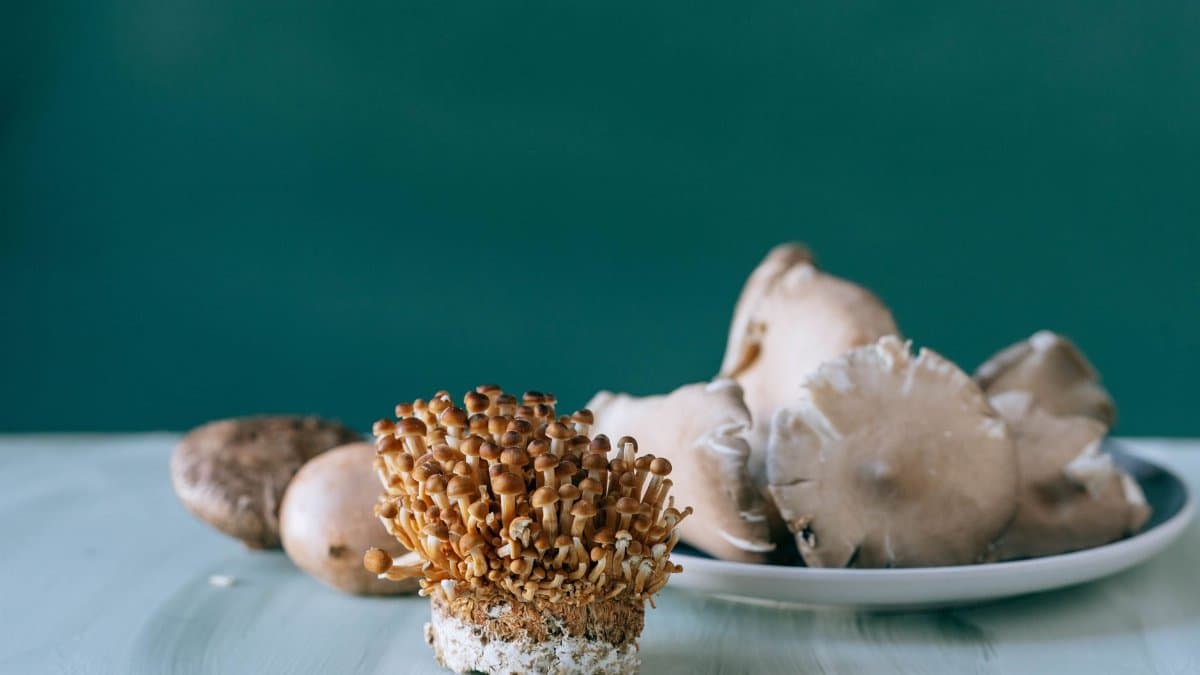
Many women seek natural approaches to ease menstrual discomfort, turning toward everyday dietary choices that may offer support without relying on medication. Recent attention has centered on how certain foods influence inflammation and overall bodily balance during monthly cycles. In this context Period Pain Relief Foods emerge as a promising area of interest, particularly those that support gut health and reduce inflammatory responses. Mushrooms and fermented items stand out for their potential to address these concerns through compounds that interact with the body’s systems in subtle yet meaningful ways.
Understanding the Role of Diet in Menstrual Discomfort

Dietary patterns often shape how the body handles hormonal shifts each month. Research points to connections between what people eat and the intensity of cramps or fatigue they experience. Foods rich in antioxidants and probiotics can influence these processes by modulating immune activity and supporting tissue recovery.
Why Mushrooms Stand Out Among Natural Options
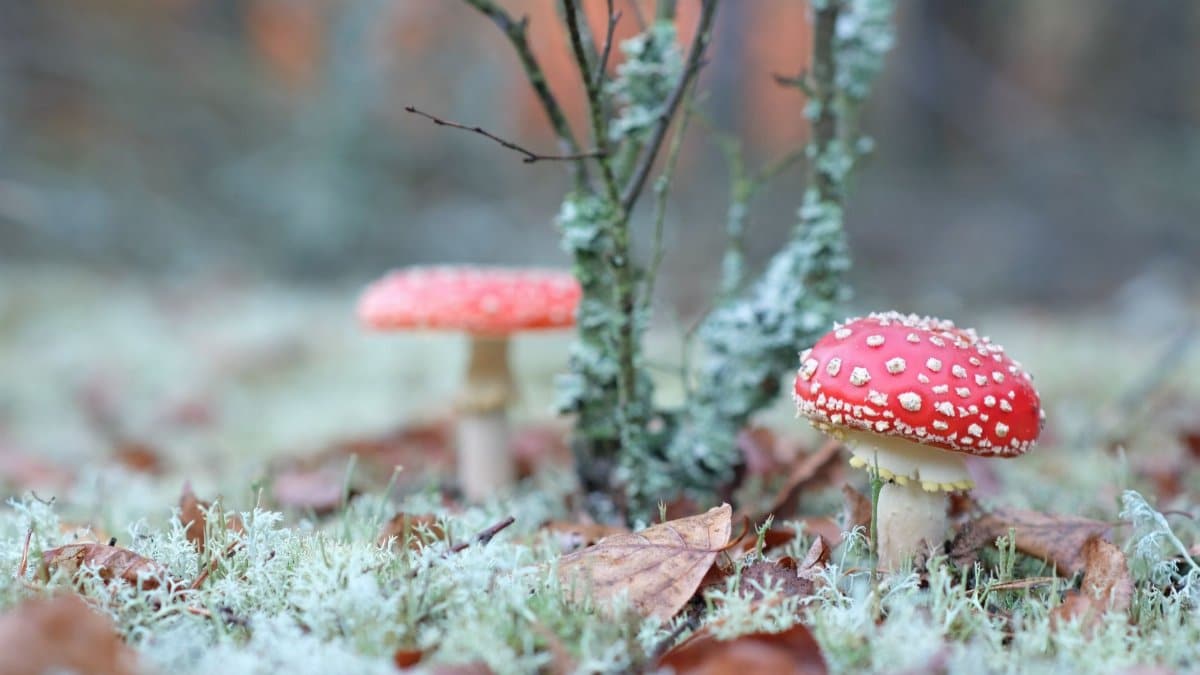
Certain mushroom varieties contain beta glucans and other polysaccharides known for their calming effects on inflammation. These elements may help temper the prostaglandin activity that contributes to uterine contractions during menstruation. Varieties like reishi and lion’s mane have drawn notice in wellness circles for their broader adaptogenic properties as well.
Fermented Foods and Their Impact on Gut Balance
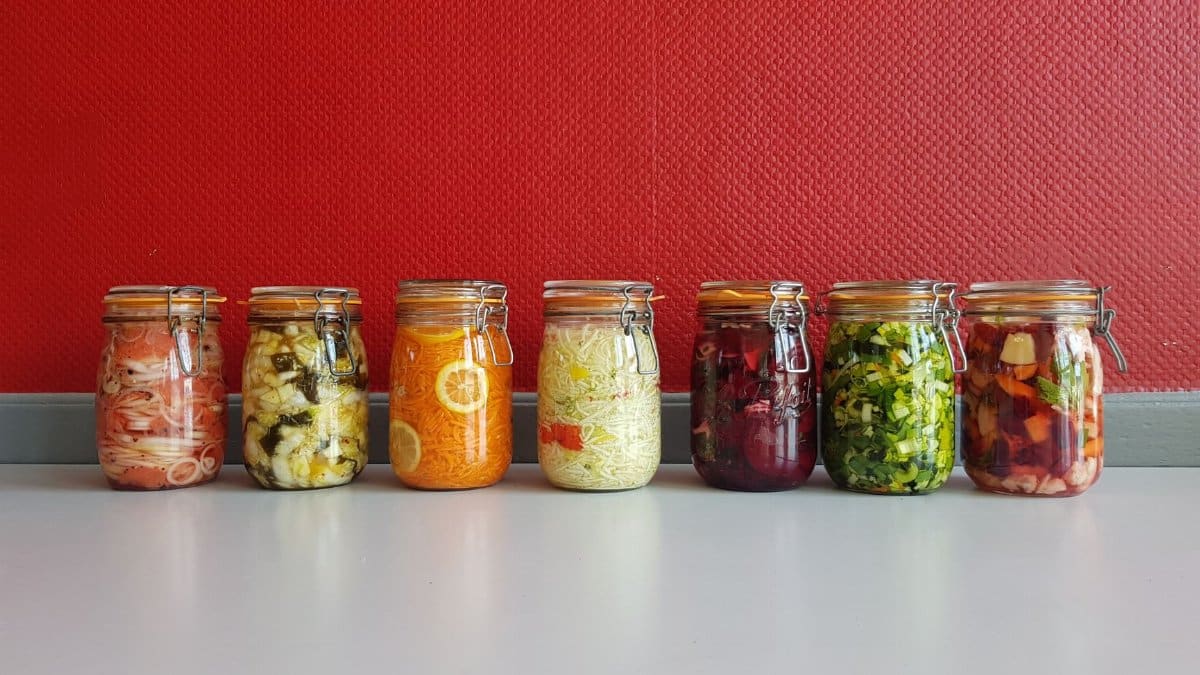
The digestive system plays a quiet but vital part in hormone regulation. Fermented options such as kimchi, sauerkraut, and miso supply beneficial bacteria that strengthen intestinal barriers. Stronger gut function can lead to steadier estrogen metabolism, which in turn may lessen the severity of period related symptoms over time.
Linking Anti Inflammatory Properties to Symptom Relief
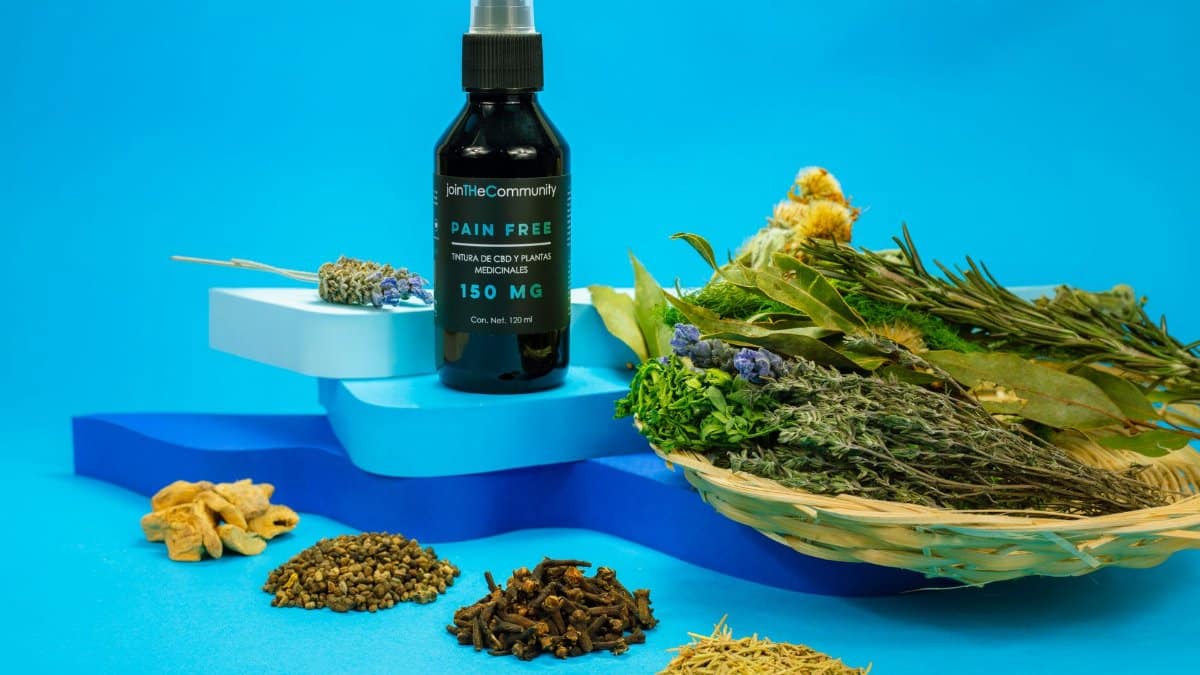
Inflammation serves as a central driver behind much of the pain associated with menstruation. Both mushrooms and fermented foods deliver targeted compounds that interrupt inflammatory pathways. Studies from institutions like the University of Massachusetts have explored similar mechanisms, available at https://www.ncbi.nlm.nih.gov for further reading on dietary interventions.
Practical Ways to Incorporate These Items Daily

Adding mushrooms to soups or stir fried dishes provides an accessible entry point. Fermented products work well as side accompaniments to regular meals. Consistent inclusion rather than occasional use tends to yield more noticeable shifts in how the body responds during cycles.
Potential Synergies with Other Lifestyle Factors
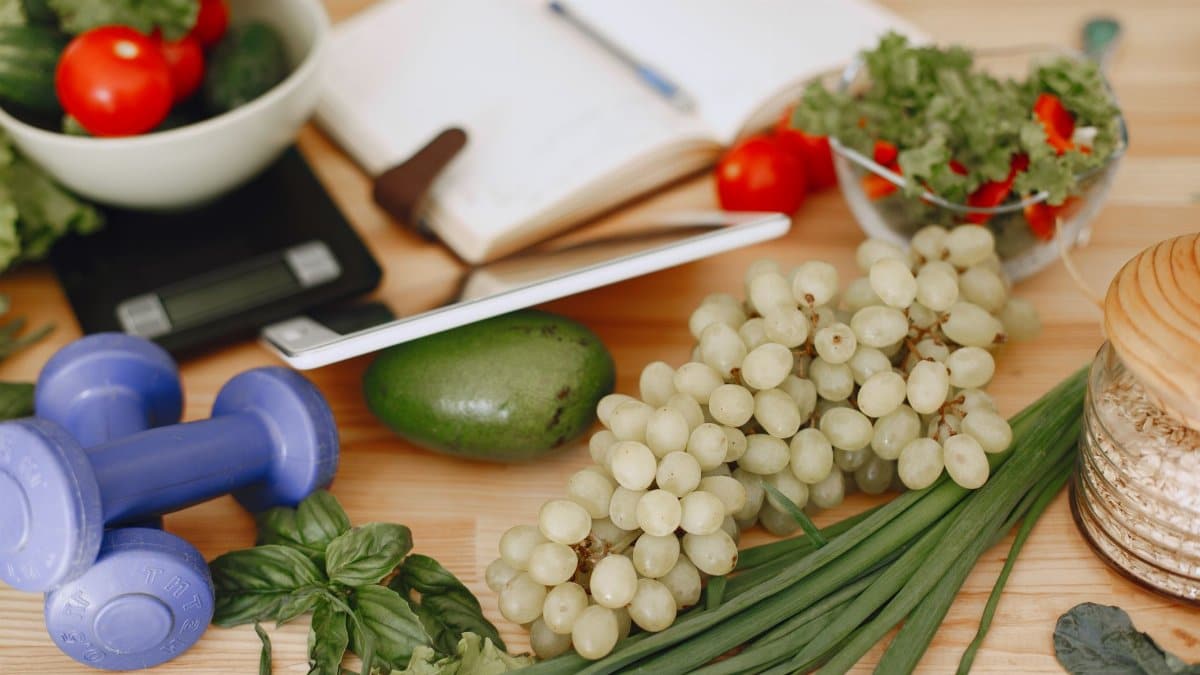
Exercise routines and stress management techniques can amplify the benefits of targeted nutrition. When combined, these elements create a more resilient internal environment. Sleep quality also factors into the equation, as rest supports the repair processes that dietary choices initiate.
Addressing Common Questions About Efficacy

Skepticism remains understandable given the variability in individual responses. Not every person will notice dramatic changes immediately, yet gradual improvements often appear after several weeks of mindful eating. Tracking symptoms alongside dietary adjustments helps clarify personal patterns.
Broader Implications for Women’s Wellness Trends

Interest in food based strategies reflects a larger movement toward preventive health measures. This approach aligns with growing awareness of how daily habits intersect with reproductive health. Observational data from sources like the Journal of Nutrition, found at https://academic.oup.com, supports continued exploration in this direction.
Considerations for Those New to These Foods

Starting with small portions allows the palate and digestive system to adjust comfortably. Some individuals may prefer milder fermented flavors at first, while others experiment with different mushroom preparations. Professional guidance from a nutritionist can tailor these suggestions to specific health profiles.