
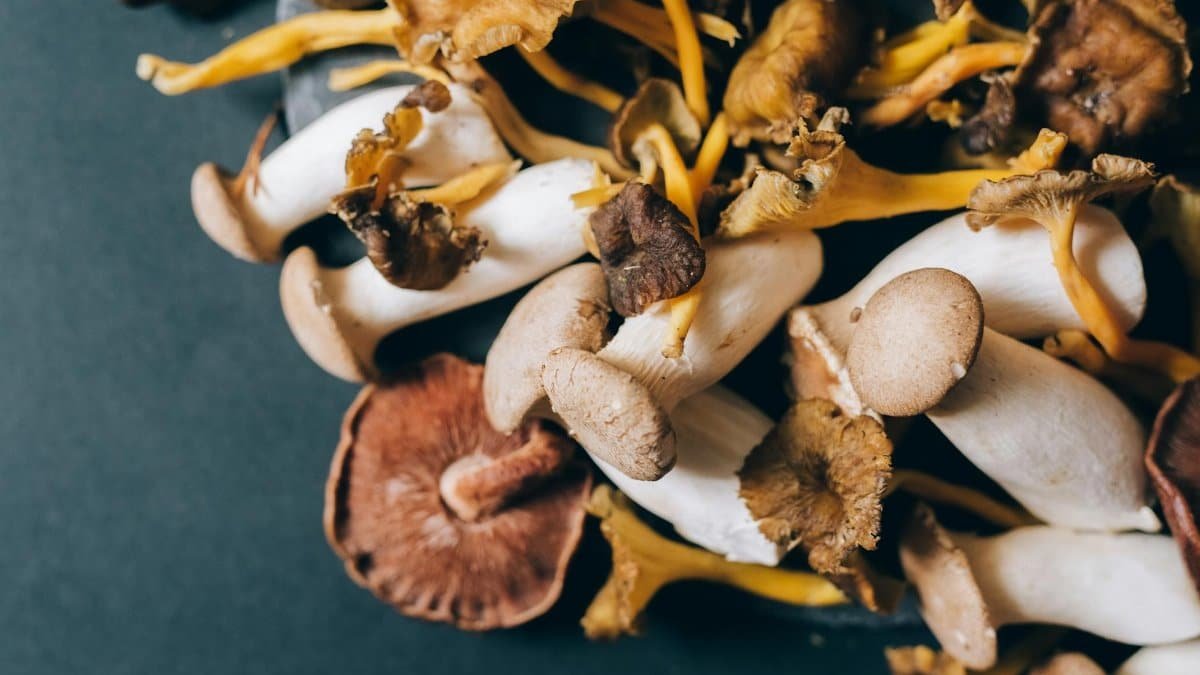
Countless women experience significant discomfort during their menstrual cycles. The pain can interfere with work relationships and personal wellbeing. While nonprescription medications remain common a growing body of research is highlighting the potential of diet to provide relief. A recent study in the United Kingdom indicates that incorporating mushrooms and certain fermented foods into ones meals could help reduce the intensity of period pain. This discovery aligns with broader trends in holistic health where the focus is on supporting the body through natural means. As more evidence emerges on how foods ease period pain it opens new avenues for those seeking alternatives to conventional treatments.
The study which followed participants over several months found notable improvements among those who regularly consumed these items. Such findings are particularly relevant for readers in their forties and fifties who might be looking for sustainable ways to manage health concerns. Beyond the physical benefits there is a spiritual component for many. Nourishing the body with foods from the earth can feel like an act of self care that honors the natural rhythms of life.
Exploring Natural Solutions For Menstrual Discomfort

For generations women have relied on wisdom passed down through families about which foods might soothe menstrual symptoms. Ginger turmeric and leafy greens have long held places in these traditions. The new emphasis on mushrooms and fermented foods builds on this foundation with modern science providing validation. These items are accessible affordable and easy to integrate into standard diets making them practical for busy lives.
What stands out is the shift away from merely masking symptoms toward addressing potential root causes such as inflammation and imbalances in the gut. This perspective encourages a more mindful relationship with food and with ones own body. Many in the spiritual community see menstrual cycles as a time for reflection and renewal. Using diet to ease the process can enhance that experience rather than detract from it. The quiet power of these choices resonates with those who view the body as a sacred vessel worthy of gentle care.
The Gut Health Connection To Hormonal Balance

The human gut is home to trillions of microorganisms that influence everything from digestion to mood and immune function. Emerging research shows that the gut microbiome also plays a crucial role in regulating hormones. When the balance of these bacteria is off it can contribute to increased inflammation and more severe period pain. Fermented foods are rich in probiotics that help restore this balance.
By supporting a healthy gut environment individuals may experience not only less pain but also improved energy and emotional stability throughout the month. This connection between gut health and menstrual cycles is a key insight from the UK study. It suggests that what we eat daily can have far reaching effects on how we feel during our periods. For those interested in spiritual trends this reinforces the idea that everything in the body is interconnected much like the unity emphasized in many meditative practices. True healing often begins with attention to these invisible relationships.
Mushrooms And Their Medicinal Qualities
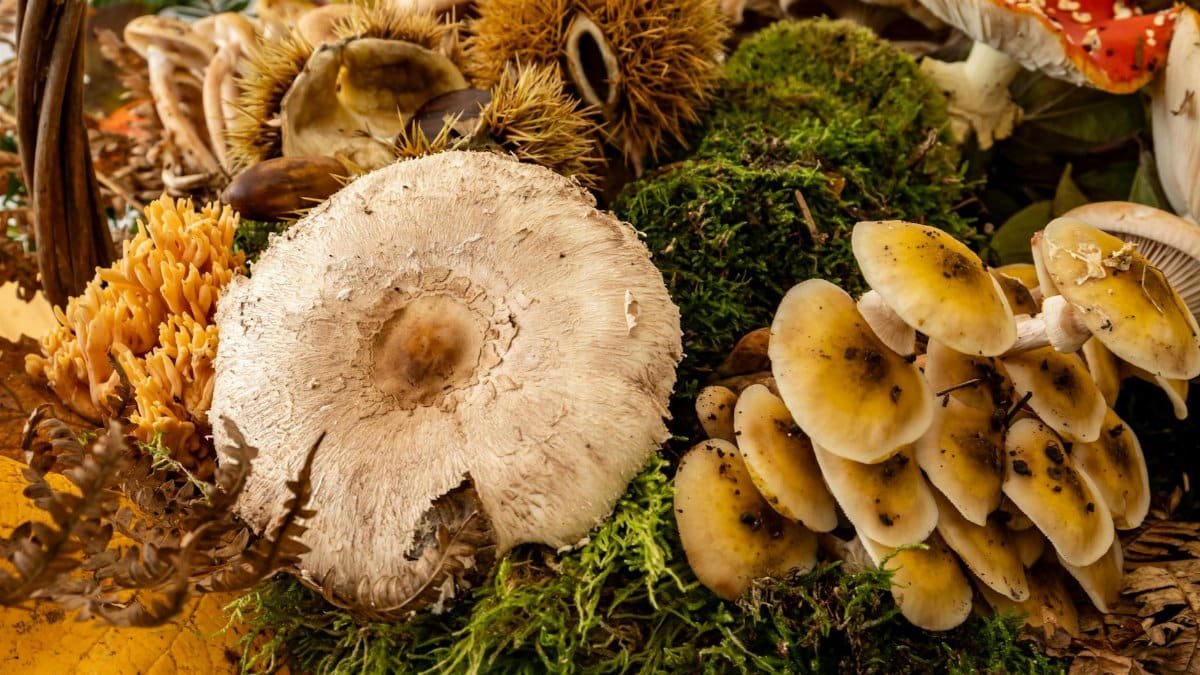
Mushrooms have been used in traditional medicine for centuries particularly in Asian cultures. Varieties such as shiitake maitake and reishi contain compounds that are known for their anti inflammatory and immune modulating properties. Some mushrooms are also excellent sources of vitamin D which is important for overall health and may help reduce muscle cramps and pain.
The UK researchers noted that participants who added a variety of mushrooms to their diet several times a week reported a decrease in the need for pain medication. These foods ease period pain potentially by lowering levels of prostaglandins the compounds responsible for uterine contractions and discomfort. Beyond the nutritional value there is something grounding about mushrooms. They grow in the soil connecting us to the earth in a literal way that many find spiritually meaningful. In an age of disconnection these humble fungi remind us of our place within larger natural systems.
The Benefits Of Fermented Foods For Digestion
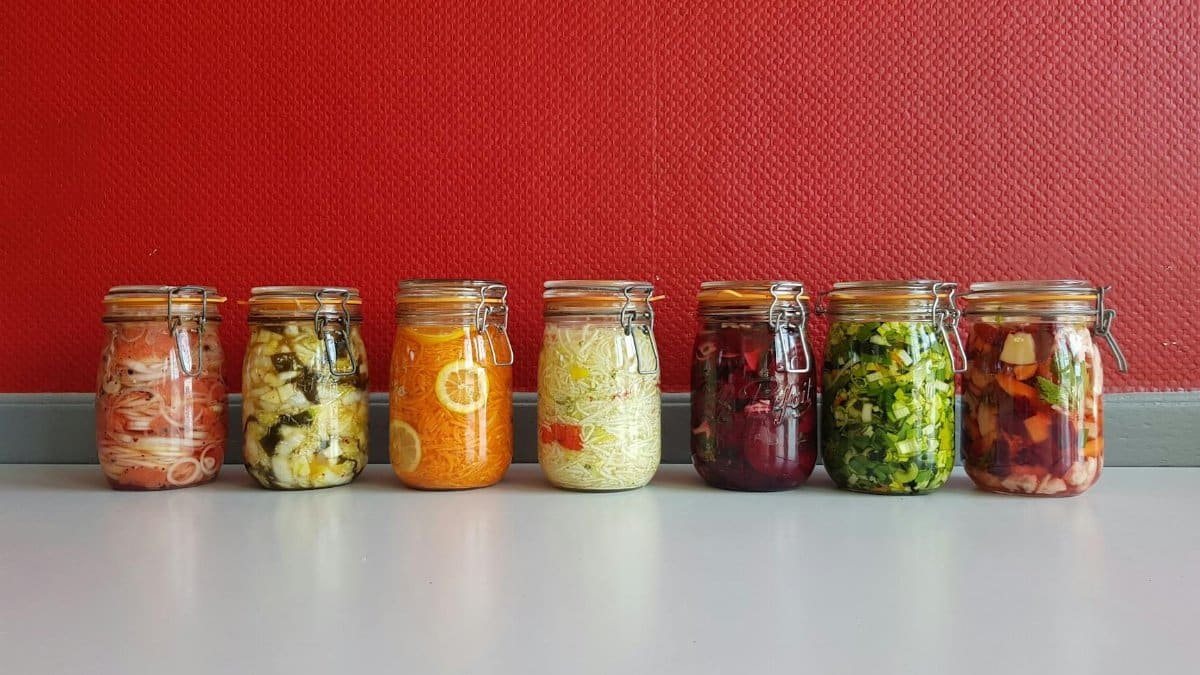
Fermented foods like yogurt kefir sauerkraut kimchi and miso have gained popularity for their ability to promote digestive health. The fermentation process creates beneficial bacteria and enzymes that aid in breaking down food and absorbing nutrients. For women dealing with period pain these foods may help by reducing systemic inflammation and supporting estrogen metabolism in the gut.
The study highlighted that a daily serving of fermented items correlated with milder symptoms. This is encouraging news for those who prefer food based solutions over supplements. In the context of spiritual news and trends fermented foods represent transformation. Just as cabbage becomes sauerkraut through a natural process our bodies can transform discomfort into balance when given the right support. Many women describe a subtle shift in their relationship with their cycles after adopting these foods consistently.
Historical Use Of Fungi And Fermentation In Healing
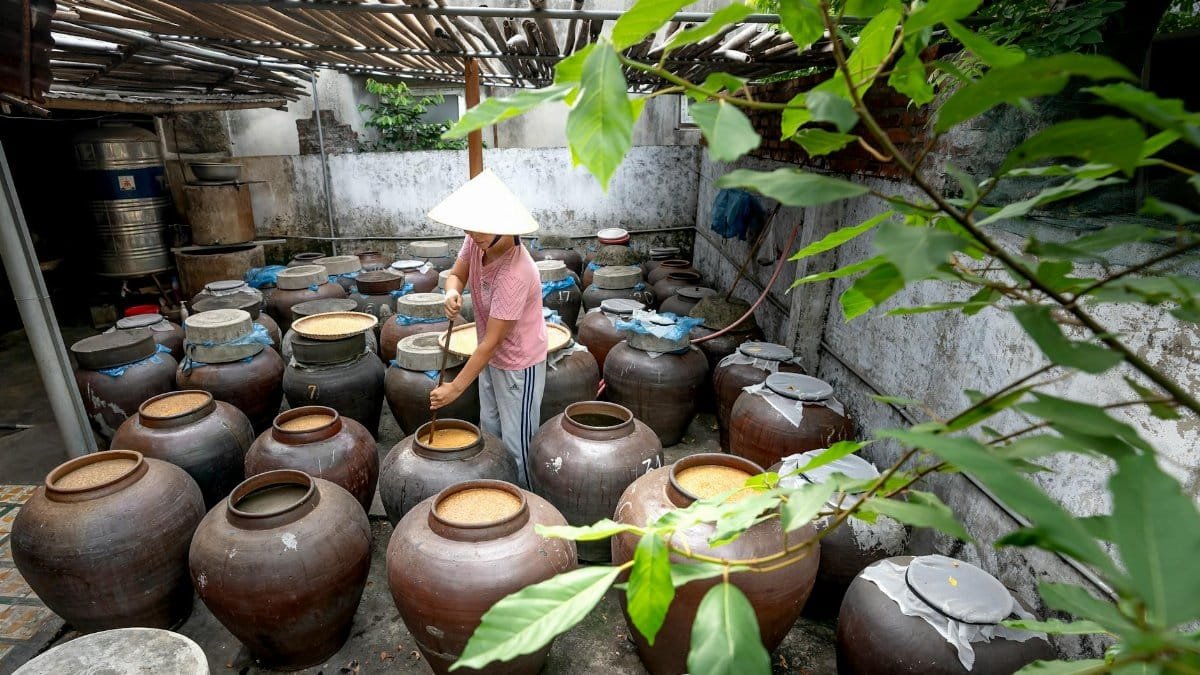
Long before clinical trials ancient healers recognized the value of mushrooms and fermented preparations. Traditional Chinese medicine documents the use of various fungi to support female vitality while European and African cultures developed rich fermentation practices that preserved both food and health. These time tested approaches understood the body as part of nature rather than separate from it. The current UK study brings renewed attention to this heritage by quantifying what many cultures have known intuitively for centuries.
This bridge between past and present appeals strongly to those following spiritual paths. There is comfort in realizing that the foods ease period pain through mechanisms our ancestors might have sensed but could not name. Modern life often distances us from these roots yet the evidence suggests a return to them could bring both physical relief and a deeper sense of belonging to something ancient and wise.
Insights From The Recent United Kingdom Study

Conducted by nutritionists at a prominent university in London the study involved over four hundred women aged between thirty and fifty five. Half were asked to include specific amounts of mushrooms and fermented foods in their diets while the other half maintained their usual eating habits. After three months the group following the dietary plan showed a thirty two percent reduction in reported pain levels compared to the control group. Full details can be found at https://happiful.com/study-mushrooms-fermented-foods-period-pain.
These results add to a small but growing collection of evidence on dietary impacts on menstrual health. The researchers emphasized that the foods were effective because they worked synergistically. Mushrooms provided unique antioxidants while fermented foods improved gut diversity. Together they created an environment less conducive to excessive inflammation. Lead researcher Dr Sarah Patel noted the consistency of participant feedback particularly around improved mood alongside reduced pain. This study confirms that certain foods ease period pain in measurable and meaningful ways.
Integrating Nutrition With Spiritual Practices
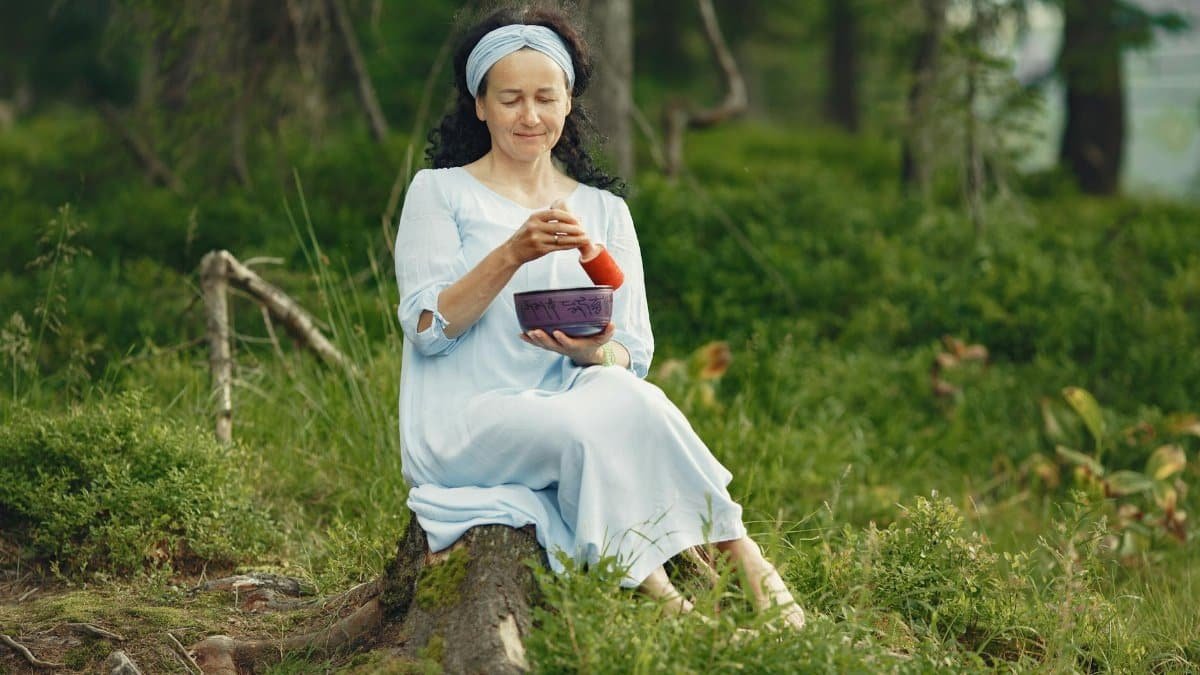
In many spiritual traditions the menstrual cycle is viewed as a sacred time connected to the phases of the moon and the cycles of nature. Practices like yoga meditation and breathwork are often recommended to manage symptoms. Adding intentional food choices can deepen this practice. Preparing a meal with mushrooms and fermented vegetables can become a form of meditation in itself fostering gratitude for the bodys wisdom.
Women who combine these nutritional strategies with mindfulness report feeling more in tune with their bodies. It is not just about reducing pain but about transforming the entire experience of menstruation into one of empowerment and connection. This holistic approach is part of a larger trend in wellness circles where spiritual awareness and physical health are seen as inseparable. The simple act of choosing foods that ease period pain becomes an expression of reverence for the female body and its rhythms.
Daily Habits That Support Menstrual Wellness

Incorporating mushrooms and fermented foods does not require a complete dietary overhaul. Simple steps such as adding sliced mushrooms to salads stir fries or omelets can make a difference. Similarly starting the day with a serving of yogurt or enjoying kimchi as a side dish provides consistent benefits. Consistency appears to be key according to the study findings.
Other supportive habits include staying hydrated engaging in gentle movement and ensuring adequate sleep. Some women find that journaling during their cycle helps them track what foods work best for their unique bodies. This personalized attention mirrors spiritual principles of self awareness and listening to inner guidance. Over time these habits can lead to noticeably smoother cycles and an improved sense of vitality. Small choices repeated with intention often yield the most profound shifts.
Potential Challenges And How To Overcome Them

Not every person tolerates fermented foods equally at first and some may need to introduce them gradually to avoid temporary digestive adjustment. Mushroom allergies though uncommon should be considered. Starting with small amounts and observing how the body responds allows for a thoughtful integration rather than an abrupt change. Those with specific medical conditions would benefit from consulting knowledgeable practitioners who understand both conventional and holistic perspectives.
Accessibility can also present hurdles in certain regions yet many affordable options exist including dried mushrooms and locally produced fermented vegetables. Community supported agriculture programs often feature these items making them easier to obtain. The study participants who succeeded long term shared one common trait: they approached the dietary changes with patience and curiosity instead of perfectionism. This mindset itself carries spiritual value emphasizing progress over pressure.
Looking Ahead To Personalized Nutrition Approaches
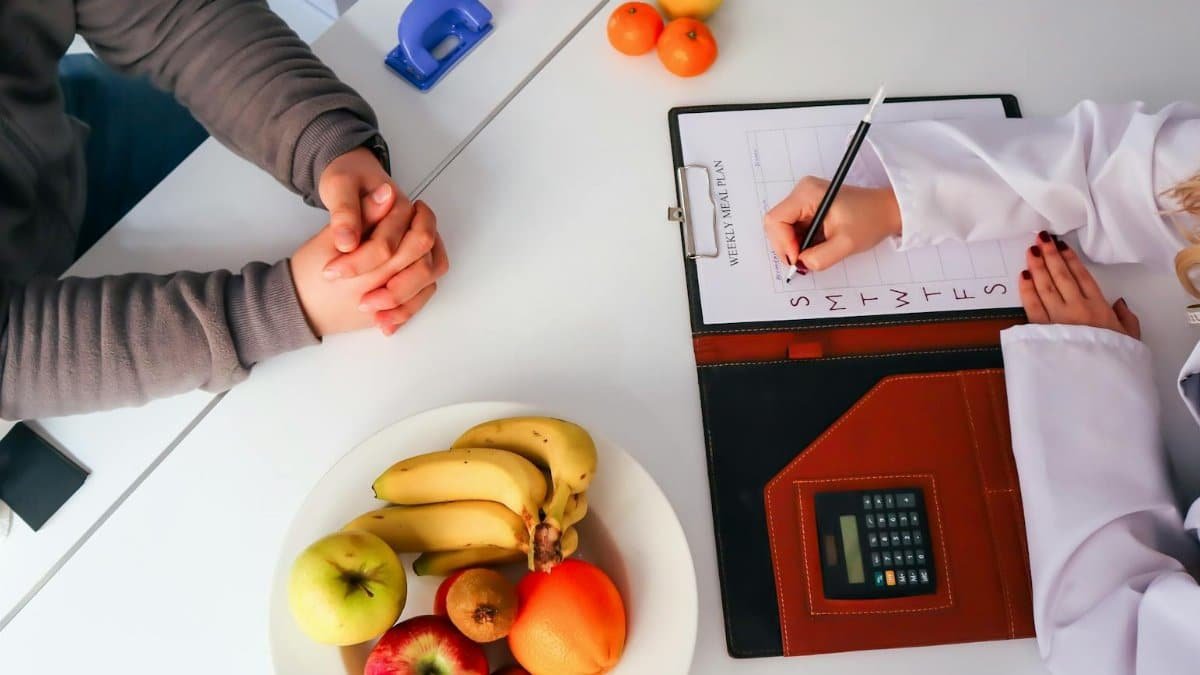
As science advances the future of managing period pain may lie in personalized nutrition plans based on individual gut profiles and genetic factors. The UK study is an important step in that direction but there is still much to learn. Larger trials and longer term observations will help clarify which populations benefit the most from these foods.
For now the message is one of hope and accessibility. By paying attention to how diet affects menstrual symptoms women can take proactive steps toward greater comfort. In the realm of spiritual news and trends this development encourages a return to natural rhythms and a deeper respect for the intelligence of the human body. It suggests that sometimes the most profound healing comes from the simplest most earthly sources. The foods ease period pain not as miracle cures but as respectful partners in a more balanced way of living. Those interested in exploring further might consult with nutritionists or functional medicine practitioners who understand both the scientific and holistic sides of health. The convergence of ancient wisdom and new research offers a promising path forward for managing period pain naturally and effectively.