

On a bright winter morning, after a run of king tides had pulled back from the Santa Cruz coast, a hiker at Four Mile Beach noticed a purse among kelp and foam. The bag did not look like driftwood. It looked like something a person had carried on an ordinary day, and within hours it was tied to a name already circulating through the Bay Area. The Se Nah Park search, nearly three weeks old by then, suddenly had a new coordinate, one that raised hope and dread in the same breath.
What the shoreline gave back

Four Mile Beach sits in Santa Cruz County, a stretch of sand and rock that locals know for surf, wind, and the long walk from the road. It is not a place most people associate with a missing person case that began inland, in San Bruno. Yet the ocean does not respect the boundaries investigators draw on maps. A purse can travel in a current, ride a storm swell, or wash out of a cove that searchers have already walked. The find did not explain where Se Nah Park went. It only proved that some object from her life had reached the Pacific shore.
People who walk that coast know how quickly a scene changes. Morning light can reveal what dusk buried. A king tide can lift debris from a ledge and set it down a mile away. For the hiker, the purse was an interruption in a routine. For everyone following the case, it was a signal that the search could not stay confined to city streets and parking lots.
A name already known in San Bruno

Se Nah Park is a San Bruno woman whose disappearance drew neighbors, relatives, and volunteers into a search that has stretched across counties. Public accounts describe a person missed at home and sought by people who refuse to treat silence as an answer. Beyond those bare facts, much of her private life does not belong in a stranger’s retelling. What matters in print is the public record: she vanished, people looked, and weeks later a personal item surfaced far from the city where she was last tied to daily routines.
That distance is part of what unsettles readers. San Bruno sits on the Peninsula, inland from the open coast by a drive that most commuters make without thinking of tides. Santa Cruz County is a different shoreline, a different sheriff’s map, a different set of coves. A purse on that sand forces two geographies into one story. It does not, by itself, say whether she reached the water, whether someone else moved her belongings, or whether the sea simply finished a journey that began somewhere else.
Why king tides rewrite the map
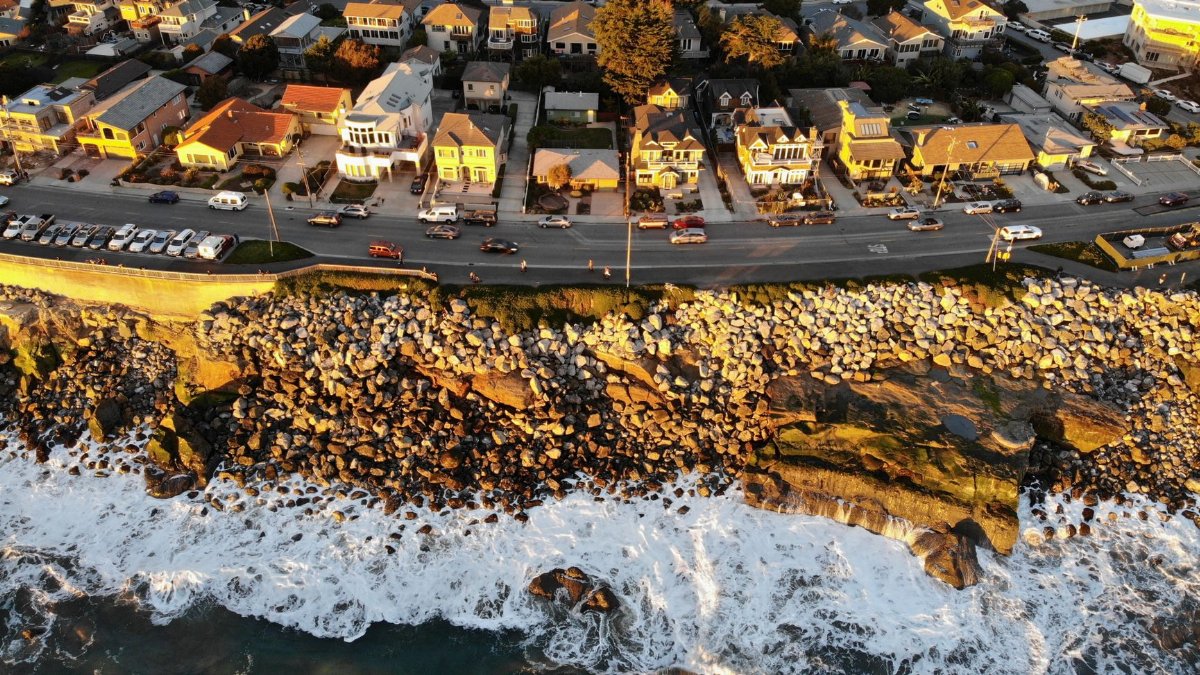
King tides are the highest predictable tides of the year, produced when the moon and sun line up and pull the ocean a little harder than usual. The National Ocean Service explains the basic mechanics in plain language: these are not rogue waves, and they are not proof of a storm, though storms can stack on top of them and push water even farther inland. During such tides, beaches shrink, sea caves fill, and objects that sat above the wash for days can suddenly move.
For searchers, that science is both useful and humbling. A purse found after king tides may have been stranded for a while and only revealed when the water retreated. It may also have arrived overnight. Either reading is possible. Neither reading is a conclusion. Coastal rescuers often say that the ocean keeps poor records. Wood, plastic, fabric, and leather all travel differently. A heavy bag may snag. A light one may float. Salt and sand do not timestamp a journey with the clarity investigators want.
Readers who want the underlying tide explanation can consult the National Ocean Service overview at https://oceanservice.noaa.gov/facts/kingtide.html. The page describes the alignment of moon and sun. It does not, and cannot, interpret a single purse on a single beach.
How a single object gets read

In a missing person case, personal items carry a weight that exceeds their size. A purse suggests errands, keys, cards, a phone, the small architecture of a day. When such an item appears without the person, the mind rushes ahead of the evidence. Families feel that rush most sharply. So do strangers who have followed the updates and want the story to resolve into something they can bear.
Investigators, if they are doing the work well, slow that rush down. They ask where the item was found, what condition it was in, whether contents remain, and whether those contents match what relatives expected. They compare the location with prior search grids. They look at currents without pretending that a current is a witness. None of those steps can be completed in a headline. A purse on a beach is a lead. It is not a narrative with a last chapter already written.
The Se Nah Park search and the limits of a clue

The Se Nah Park search had already asked volunteers to cover ground that feels endless: neighborhoods, trailheads, highway shoulders, and now a county coastline. Each new location expands the map and thins the number of people who can walk it carefully. A coastal find can focus that effort. It can also scatter it, sending well meaning people toward cliffs and surf zones that are dangerous even on a calm afternoon.
That is why official searches and informal ones are not the same thing. Agencies can coordinate grids, mark areas already cleared, and warn people away from unstable bluffs. A social media post cannot. When a personal item surfaces, the healthiest public response is not a rush to the sand with phone cameras. It is attention to whatever investigators ask the public to notice, and restraint about everything they have not confirmed.
Waiting as a kind of spiritual weather
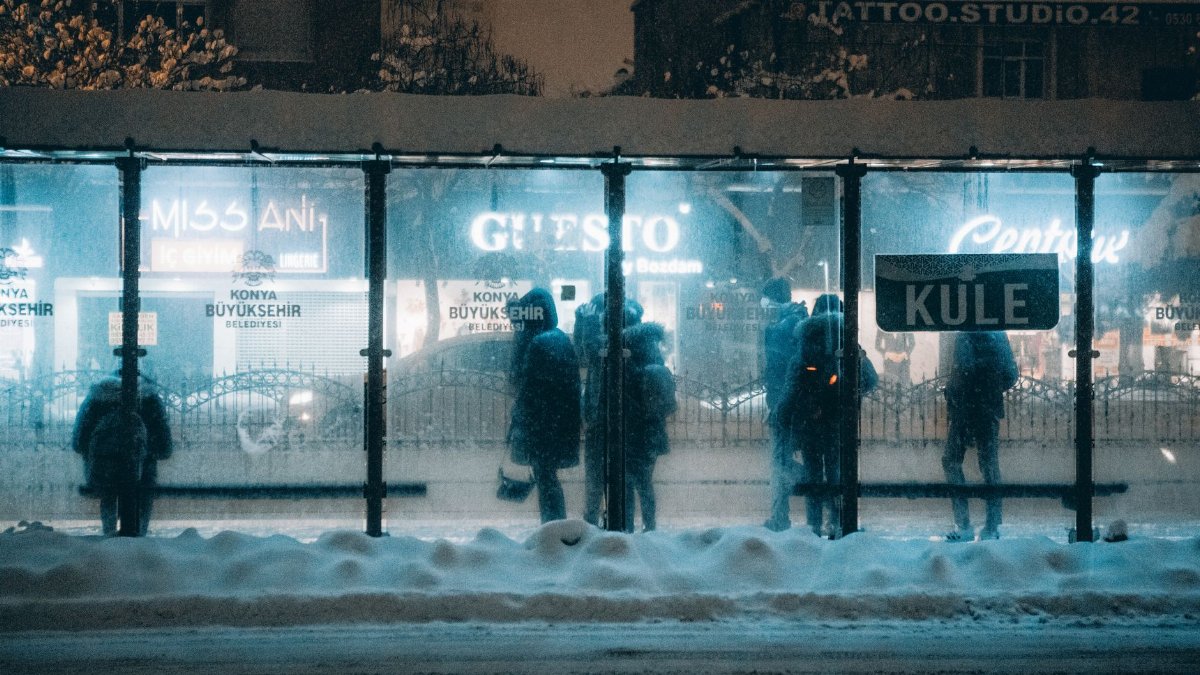
This story sits, oddly and painfully, in the territory people sometimes call spiritual news, not because a tide is a miracle, but because prolonged absence drives communities toward ritual. In the Bay Area, that ritual takes many forms. Neighbors light candles on a porch. A church opens its hall for a quiet hour. Friends who do not share a creed still stand together and say a name aloud so the name does not fade. None of this finds a person. All of it keeps a circle from collapsing into private despair.
There is a temptation, especially online, to treat the purse as a sign in the older sense, a message arranged by the sea. That temptation should be resisted. The ocean is not a scribe. King tides are physics. A hiker’s attention was a human act, and a valuable one. Folding the find into prophecy may comfort some people for an afternoon, but it can also crowd out the plainer duties of a search: accurate tips, patience with investigators, and care for a family that did not ask to become a symbol.
Still, it would be cold to pretend that meaning has no place here. People pray because they cannot control the outcome. They keep vigils because silence feels like abandonment. Those practices belong to the living. They do not license anyone to invent a vision of what happened on the coast.
Rumors move faster than debris

A missing person story attracts speculation the way a wet rock attracts fog. Within hours of a public update, comment threads fill with theories that no detective has endorsed. Some are offered in good faith. Some are cruelty dressed as certainty. Either way, they travel farther than the purse ever did. A false detail can send volunteers to the wrong cove. It can also wound relatives who are reading the same screens everyone else is reading.
Journalists have a part in that weather. The responsible version of this story repeats what is known and labels what is not. Known: a San Bruno woman is missing; a hiker found her purse at Four Mile Beach in Santa Cruz County nearly three weeks later; king tides had recently rearranged that shore. Not known, at least not in any public conclusion this article can honestly claim: how the purse traveled, whether she was on that beach, or what the coming days will show. The gap between those sentences is the whole ethics of the piece.
What officials can and cannot promise

Local agencies rarely speak in the language families want. They confirm a find, ask for tips, and decline to narrate a theory before the lab work and the interviews are done. That restraint can look like indifference from the outside. Often it is the opposite. A premature theory, once attached to a name, is hard to walk back. It shapes which coves get searched and which witnesses get believed.
Readers should expect more updates, and they should expect those updates to be narrower than the questions they carry. A later briefing may describe contents, or timing, or a search zone. It may also say that the item does not change the open status of the case. Both kinds of sentences are progress. Neither is a verdict. Anyone with a concrete observation, a sighting tied to a time and place, or knowledge of how the purse might have reached the coast should give that information to investigators, not to a comment thread.
The coast as witness and as temptation

California’s coast has always been a place where people project endings. Writers have used it that way for generations, and readers recognize the gesture. In a real search, that literary habit is a hazard. Four Mile Beach is not a metaphor. It is a public shoreline with tides, rocks, and a limited number of safe access points. Treating it as a stage invites crowds. Treating it as a crime scene without authority invites contamination of whatever evidence might remain.
There is another temptation, quieter and more common among people who have followed too many of these cases. It is the urge to decide, from a headline, that the story is already over. A purse is not a body. A beach is not a confession. The Se Nah Park search remains a search. Language should stay inside that fact.
How strangers can be useful

Most readers will never walk Four Mile Beach in connection with this case, and most should not. Usefulness looks smaller than heroism. It looks like sharing an official bulletin rather than a rumor. It looks like checking a tip line before posting a theory. It looks like giving a family privacy when cameras arrive at a vigil. If you saw something relevant in San Bruno, along a Peninsula road, or on the Santa Cruz coast in the weeks after she vanished, write down the time, the place, and what you actually observed. Memory edits itself. Notes written early are kinder to the truth than recollections polished later.
Volunteer energy, when agencies want it, is real help. Uncoordinated wandering on wet rocks is not. King tides and winter surf have injured people who thought they were only looking. The person you might save by staying off an unsafe bluff is yourself, and the search does not need another emergency.
Faith without a false ending
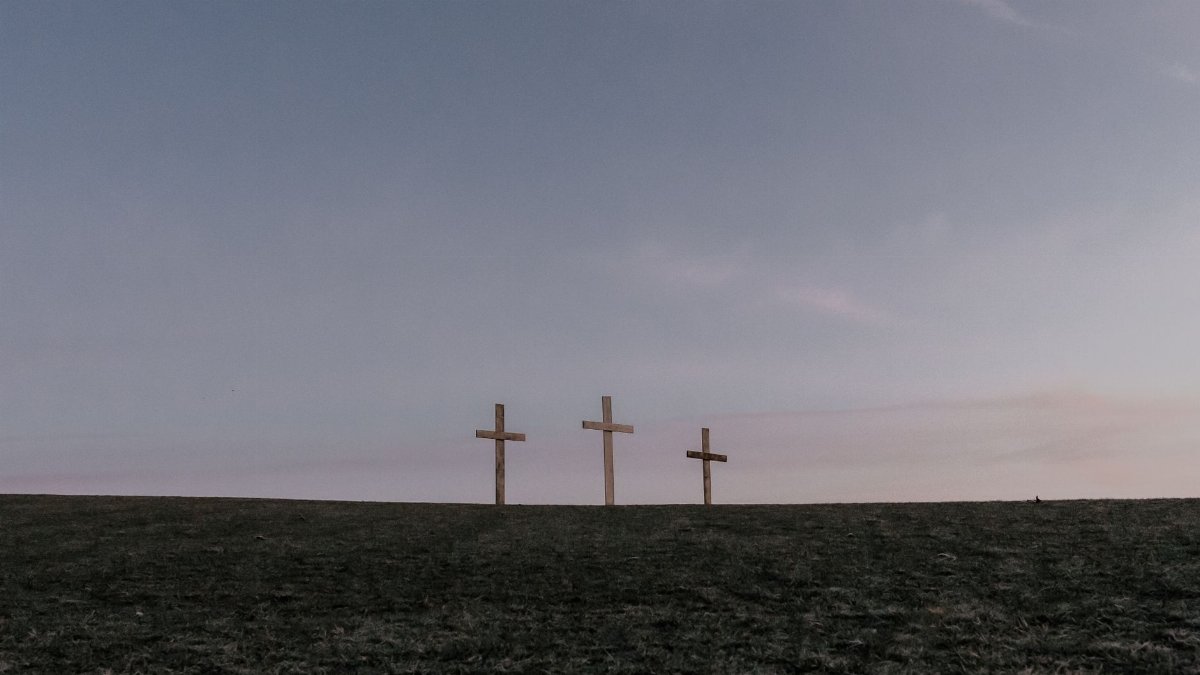
Communities that pray for Se Nah Park are not required to pretend the sea delivered a revelation. They can hold two truths at once. A personal item on a winter beach is significant. It is also incomplete. Hope, in this setting, is not a forecast. It is a decision to keep her name in circulation while investigators do slow work, and to refuse the cheaper comforts of rumor and spectacle.
Some readers will light a candle anyway. That act does not solve a case. It does mark a boundary: this person is not content for a feed, and her absence is not a puzzle invented for strangers to win. If spiritual practice has a role here, it is that boundary. Say the name. Decline the myth. Wait for facts that can bear weight.
A purse is not the last word

The morning at Four Mile Beach changed the Se Nah Park search without closing it. A hiker paid attention. A personal item crossed from private life into public evidence. King tides supplied a physical context, not a moral one. What happens next depends on forensics, interviews, and the unglamorous labor of people who keep looking after the headline moves on.
Until those steps yield something firmer, the honest sentence is the short one. A missing San Bruno woman is still missing. Her purse reached a Santa Cruz County beach. The rest is work, not prophecy, and it belongs first to the people who love her and to the investigators they are trusting with the next hard days.