
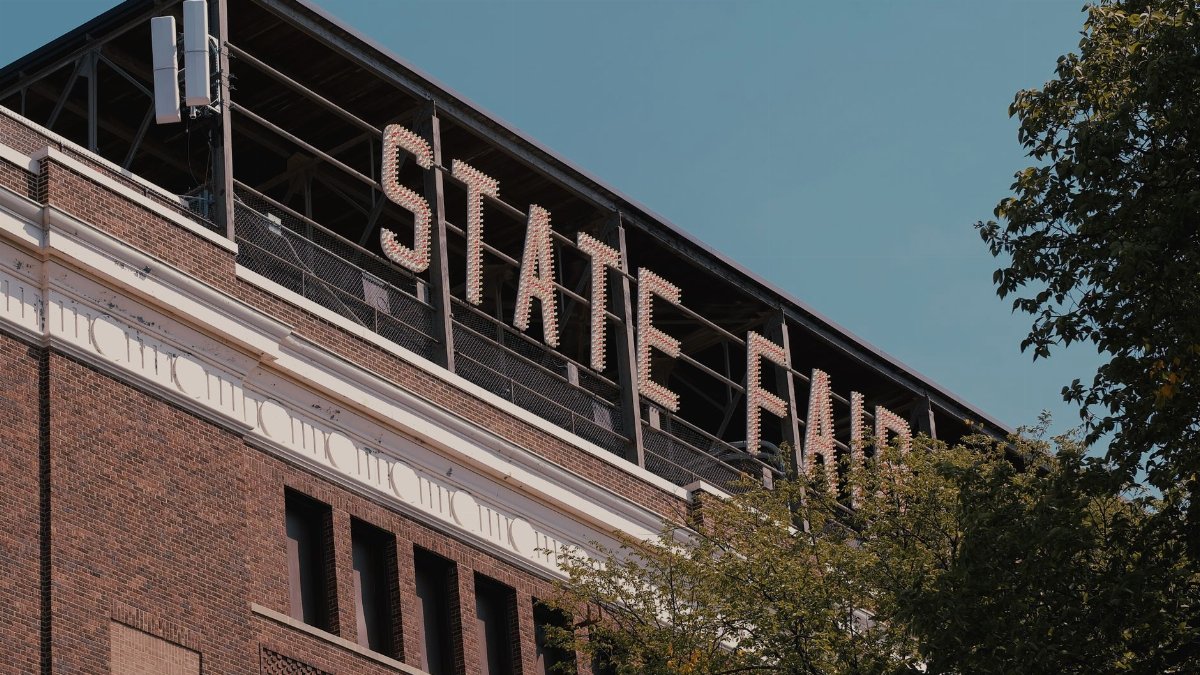
Visitors to the annual event experienced a notable shift in numbers this year. After an impressive start State Fair attendance dipped during the middle of the week according to the latest tracker. This pattern has prompted organizers to examine what factors influence daily turnout at such large gatherings. Families who arrived early reported vibrant energy across the grounds while later arrivals encountered lighter lines at popular attractions. The change raises questions about how scheduling and external conditions shape overall participation in longstanding regional traditions.
Opening Days Create High Expectations
The first Friday brought record numbers that exceeded projections from prior seasons. Enthusiastic visitors filled pathways and sampled foods from dozens of vendors. Organizers expressed satisfaction with the strong beginning that set a positive tone for the entire run. Many attendees commented on the smooth flow of traffic and the variety of displays highlighting local agriculture and crafts. Such enthusiasm often translates into higher spending at concession stands and souvenir booths.
Weekday Patterns Show Clear Decline

As the week moved forward daily counts dropped below the averages seen in recent years. Workers with standard schedules appeared less able to attend leaving gaps in the usual crowd density. Weather played a minor role yet remained pleasant enough to rule out as a primary cause. Analysts suggest that competing events in nearby cities may have drawn some potential visitors away from the fairgrounds during those specific days.
Family Schedules Influence Participation

Many households plan their visits around school calendars and work commitments. Midweek timing often conflicts with these routines leading to fewer group outings. Data collected over multiple seasons indicates that weekends consistently outperform other periods by a wide margin. Organizers continue to explore options such as extended evening hours or special promotions aimed at attracting those with limited daytime availability.
Food Vendors Feel The Impact
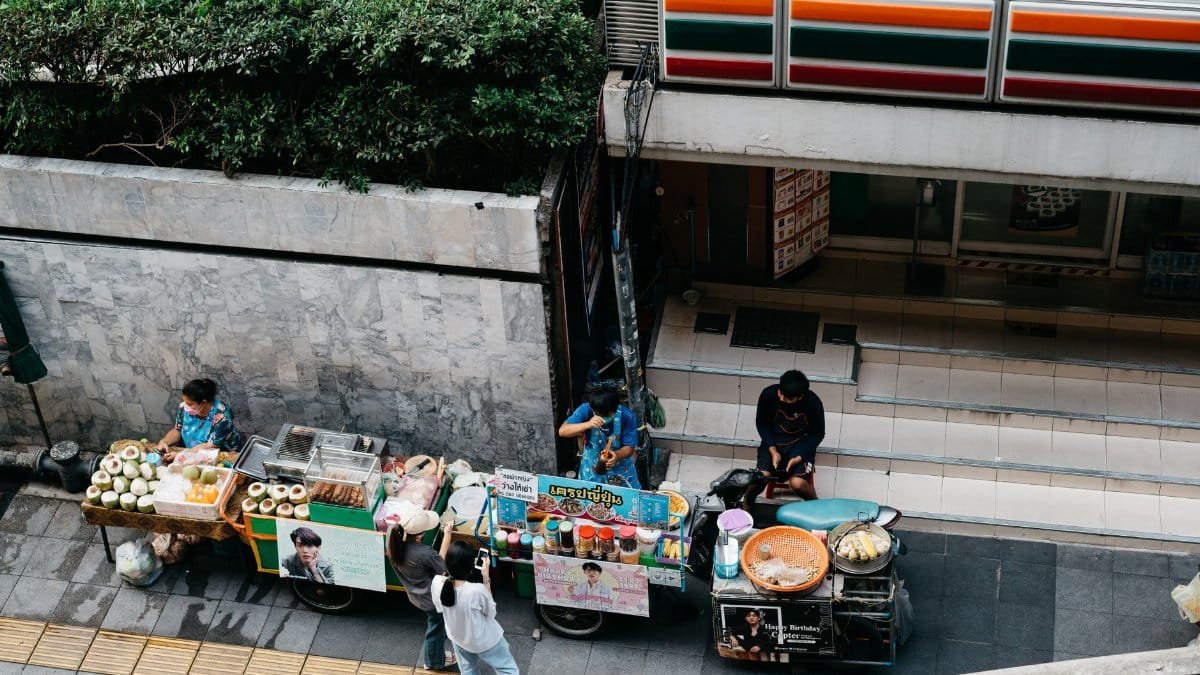
Slower periods affected sales at some concession locations though staples like cheese curds and lemonade maintained steady demand. Vendors adjusted staffing levels to match the lighter foot traffic. Several reported experimenting with new menu items to draw attention during quieter stretches. The overall economic contribution from State Fair attendance remains significant even when daily figures vary.
Entertainment Lineups Maintain Appeal
Musical performances and stage shows continued to draw dedicated audiences throughout the event. Evening concerts proved especially popular among those able to attend after work hours. Organizers highlighted the diversity of acts as a key strength that helps sustain interest across different demographics. Reviews from attendees praised both the quality of sound systems and the variety of genres represented.
Transportation And Parking Adaptations

Shuttle services operated with extra capacity on busier days but scaled back during slower ones. Parking lots showed ample space midweek allowing easier access for last minute arrivals. Officials monitored these logistics closely to ensure safety and convenience regardless of crowd size. Feedback from visitors indicated general satisfaction with these adjustments.
Future Planning Considers Attendance Trends

Organizers plan to review all collected figures before preparing for the next cycle. Discussions include potential changes to marketing strategies and partnerships with local businesses. The goal remains to balance the excitement of peak days with efforts to encourage more even distribution of visits. Long term success depends on adapting to shifting habits among regional residents who have supported the event for generations.