
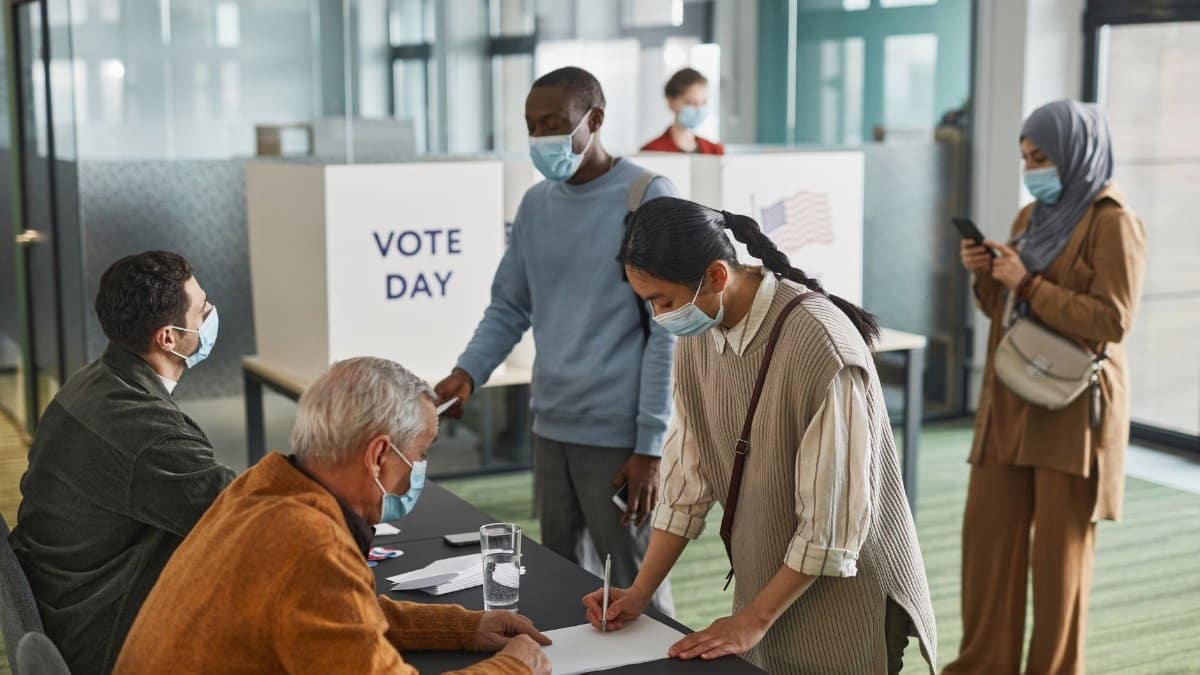
Voters in Minnesota turned out in numbers that defied expectations during the August primary, reflecting a surge of civic engagement that reshaped assumptions about participation in off year contests. The event produced more than one point one million ballots, a figure that immediately drew attention from analysts and community leaders alike. This wave of activity highlighted how local issues can mobilize residents across urban and rural lines when the stakes feel immediate and personal. Observers noted strong interest in school funding measures and legislative races that touched on everyday concerns such as healthcare access and infrastructure repair. The result placed Minnesota among states showing renewed interest in primary voting, even without a presidential contest on the ballot. Such patterns suggest that sustained outreach by parties and civic groups played a meaningful role in lifting overall engagement.
Early Indicators of Rising Participation
Precinct reports compiled in the weeks before election day pointed to unusually high advance voting, especially in suburban counties surrounding the Twin Cities. Election officials described lines at early voting sites that stretched longer than typical for a primary, with residents arriving to cast ballots on topics ranging from property taxes to environmental protections. This early momentum carried through to election day itself, when poll workers reported steady foot traffic from morning until evening. Community organizations credited door to door canvassing and phone banks for helping residents understand deadlines and locate polling places. The combination of traditional outreach and digital reminders appeared to reduce barriers that often keep occasional voters at home.
Demographic Shifts in Voter Behavior
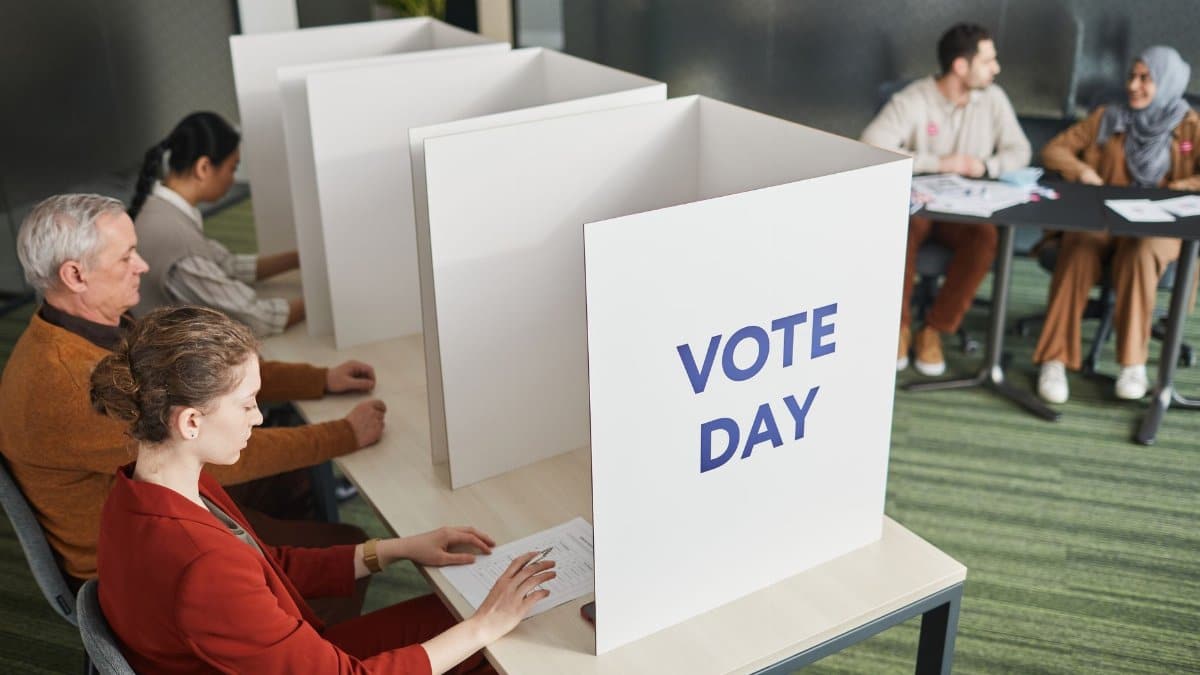
Age breakdowns released after the primary revealed stronger presence from middle aged residents compared with previous cycles. Women in particular showed up at higher rates in several legislative districts, a trend attributed to focused registration drives at workplaces and community centers. Rural counties also posted gains, with turnout climbing in areas that had seen lower participation in recent primaries. These shifts altered the composition of the electorate and influenced outcomes in competitive house and senate races. Analysts observed that the broader mix of participants produced results more reflective of the full population rather than only the most motivated core supporters.
Role of Local Issues in Mobilization
Ballot questions on school bonds and transit improvements drew attention from parents and commuters who might otherwise have skipped the primary. Coverage in regional newspapers and on local radio stations emphasized how these measures would affect daily life, from classroom sizes to commute times. Candidates responded by holding town halls that focused on practical solutions rather than national talking points. The emphasis on tangible concerns helped translate policy debates into reasons for residents to vote, lifting Minnesota primary turnout beyond the levels recorded in the last comparable election cycle.
Comparison With Neighboring States
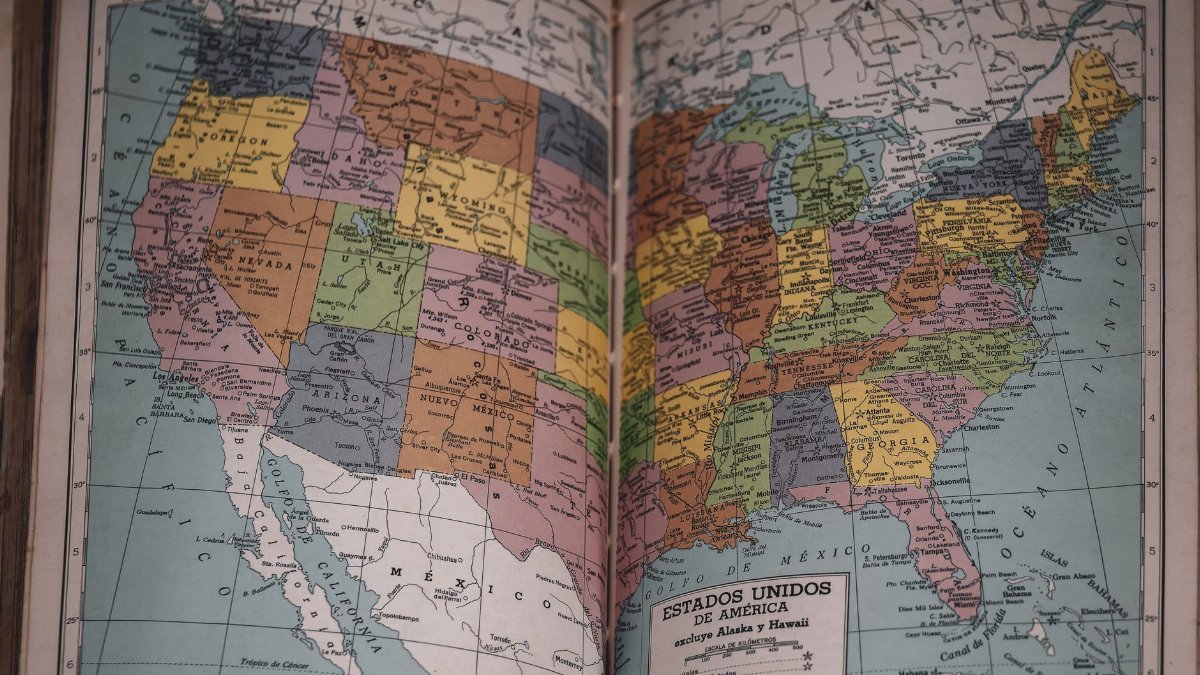
Neighboring states holding primaries on the same date reported more modest increases, making the Minnesota results stand out in regional comparisons. Wisconsin and Iowa saw gains but fell short of the percentage jump recorded here. Political scientists pointed to differences in mail ballot access and the intensity of get out the vote efforts as factors behind the variation. The contrast underscored how state specific rules and organizing strategies can produce divergent outcomes even when national political conditions remain similar.
Impact on November General Election Outlook
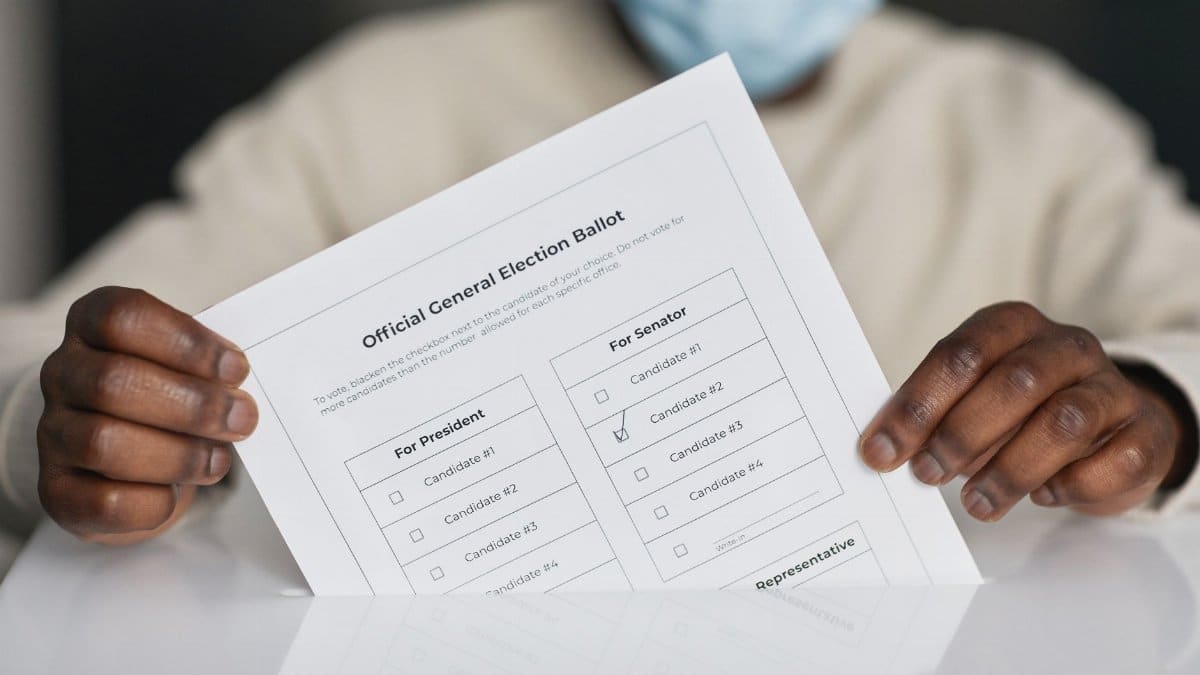
Party leaders viewed the primary numbers as an encouraging sign for the general election, where higher baseline participation often carries forward. Campaigns began reviewing precinct level data to identify neighborhoods that responded strongly to particular messages. The expanded electorate also raised questions about which issues would dominate fall debates, with education and housing costs emerging as likely focal points. Candidates who succeeded in the primary credited their ability to connect with first time and infrequent voters as a key advantage.
Challenges in Sustaining Momentum

Despite the record, election administrators cautioned that maintaining elevated engagement requires ongoing investment in voter education. Some precincts experienced equipment shortages that created delays, highlighting the need for updated technology and additional poll workers. Advocates called for expanded early voting hours and clearer instructions for mail ballots to keep barriers low. Without continued attention to these details, future cycles risk seeing participation drop back toward historical averages.
Community Reflections on Civic Duty
Residents interviewed after voting described a sense of responsibility that went beyond any single candidate or measure. Many cited conversations with neighbors and family members as the prompt that finally brought them to the polls. Faith communities and service organizations played quiet but steady roles in encouraging participation, framing voting as an expression of shared values. These personal accounts illustrated how Minnesota primary turnout can reflect deeper currents of community connection rather than only partisan enthusiasm.
Looking Ahead to Future Reforms

Legislators have begun discussing possible adjustments to election procedures based on lessons from the primary. Proposals include additional funding for poll worker training and pilot programs for same day registration improvements. Supporters argue that such steps would build on the momentum created by the large turnout and help lock in gains for subsequent elections. The conversation continues as officials review data and solicit input from voters who participated for the first time this cycle.