

In the heart of the Twin Cities a series of fiscal decisions now confront everyday households as leaders grapple with rising costs and shifting revenues. The Minneapolis budget has drawn fresh attention after the mayor outlined plans to trim positions while lifting property taxes to cover essential operations. Residents across neighborhoods wonder how these moves will shape daily life from public safety to parks and libraries in the months ahead.
Background on City Finances

City leaders have navigated tight resources for several years due to inflation and changes in state support. Officials reviewed revenue streams and spending patterns before releasing the latest plan. The goal centers on balancing needs without disrupting core functions that support the community.
Details of the Tax Proposal
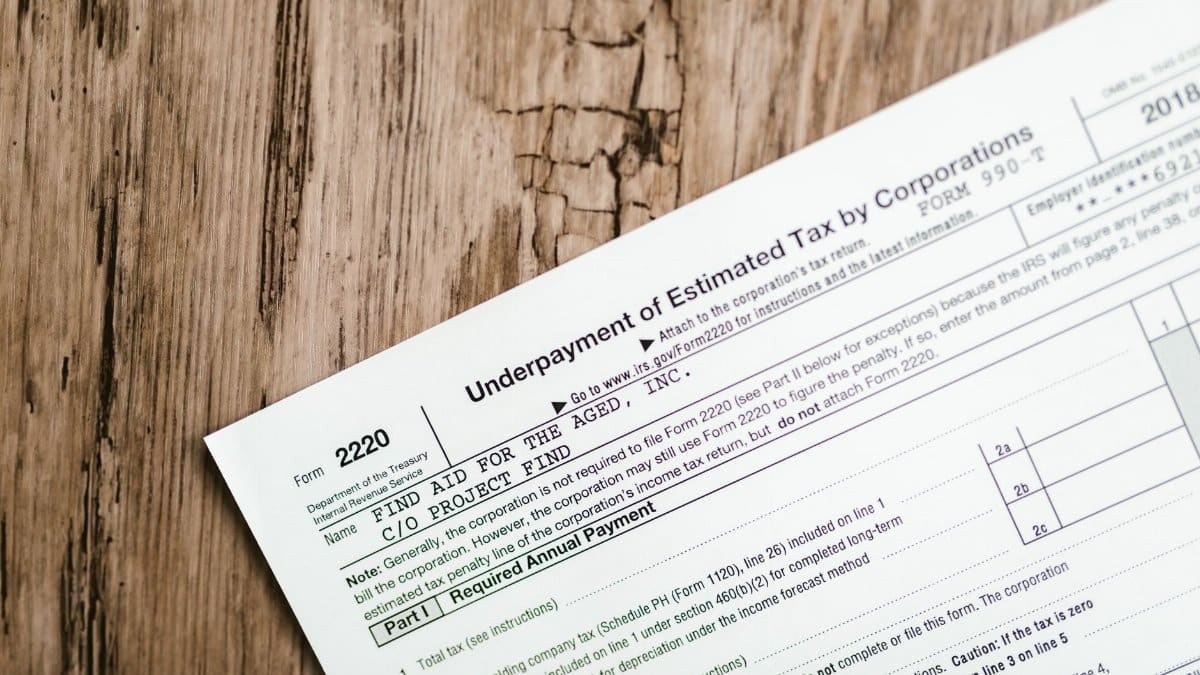
The mayor suggested an 11.3 percent property tax hike along with reductions in certain roles. This approach aims to generate funds for ongoing services while addressing shortfalls. Analysts note that such adjustments often spark debate among homeowners and business owners alike.
Impact on City Services

Potential job reductions could affect departments handling everything from road maintenance to public health programs. Leaders emphasize protecting frontline roles where possible yet acknowledge tough choices lie ahead. Some programs might see scaled back hours or delayed projects until revenues stabilize.
Reactions from Residents

Many locals expressed concern over higher bills arriving at a time when household expenses already strain budgets. Community meetings revealed calls for more transparency and alternative solutions such as seeking additional grants. Others voiced support if the measures prevent deeper disruptions later.
Effects on Local Economy

Business districts worry that increased taxes could slow investment and hiring in the area. Economic development teams continue to monitor trends and explore ways to attract new activity. The Minneapolis budget decisions may influence how companies plan expansions or relocations in coming quarters.
Comparison with Previous Years

Past budgets relied more on federal aid during the pandemic era yet those sources have tapered. Current proposals reflect a return to traditional revenue tools while attempting to control growth in expenditures. Observers point out that similar patterns appear in other mid sized cities facing parallel pressures.
Future Outlook for the City

Officials plan further reviews and public input sessions before final approval. Projections suggest modest recovery if economic conditions improve and costs remain in check. Attention now turns to implementation steps that could define the next fiscal cycle.
Role of State Funding

Discussions continue with state partners about supplemental support for key initiatives. Minneapolis leaders argue that greater assistance would ease local burdens and reduce reliance on property taxes. Negotiations may shape the ultimate size and scope of the Minneapolis budget adjustments.