
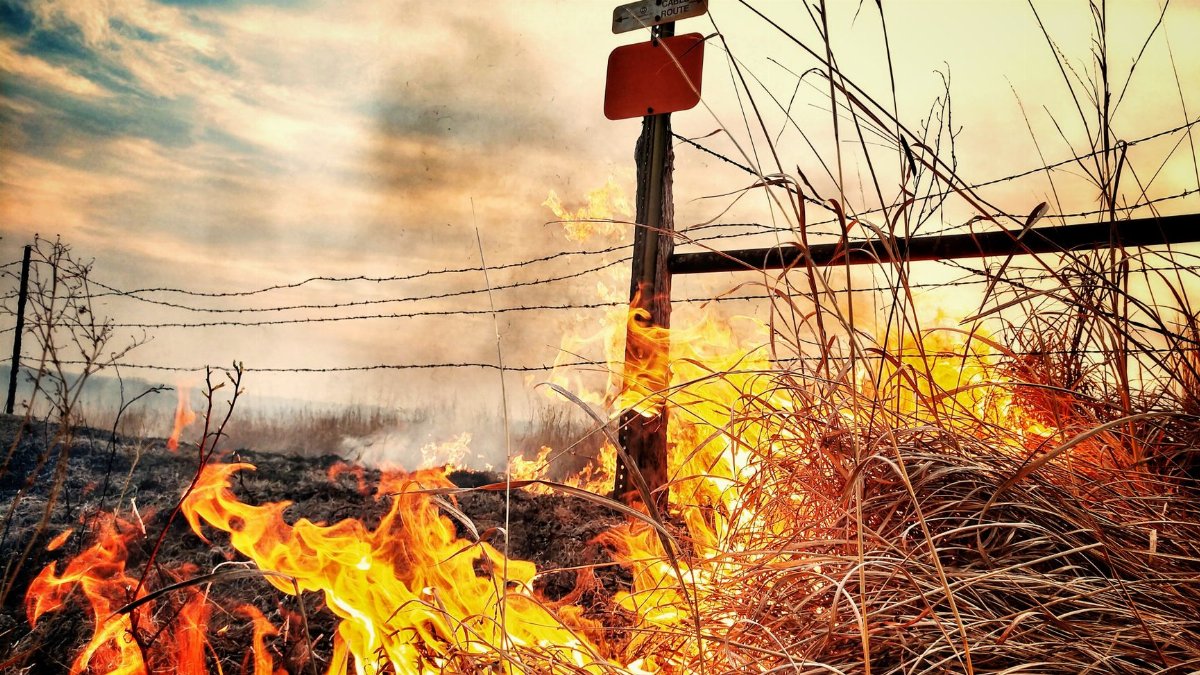
In the rugged terrain south of a historic Arizona town flames erupted on a summer holiday sparking urgent action from fire crews and reminding residents of past tragedies in the region. The Mina Fire Yarnell Arizona Wildfire began around three in the afternoon on the Fourth of July and quickly drew resources from multiple agencies as it consumed dry brush near a site of solemn remembrance. Officials reported rapid initial growth that prompted evacuation orders for several nearby zones in Yavapai County. As containment efforts advanced the situation improved enough for some alerts to ease though challenges remained in steep and remote areas.
Origins of the Blaze on a Holiday Afternoon
The fire started amid high temperatures and low humidity typical for early July in this part of the state. Investigators have not yet determined an exact cause but point to the dry conditions that allowed quick expansion across brush covered slopes. Local residents noticed smoke rising shortly after three and alerts spread through emergency systems within minutes. This timing coincided with family gatherings which added to the initial confusion as people monitored updates while preparing for celebrations.
Immediate Response from Multiple Agencies
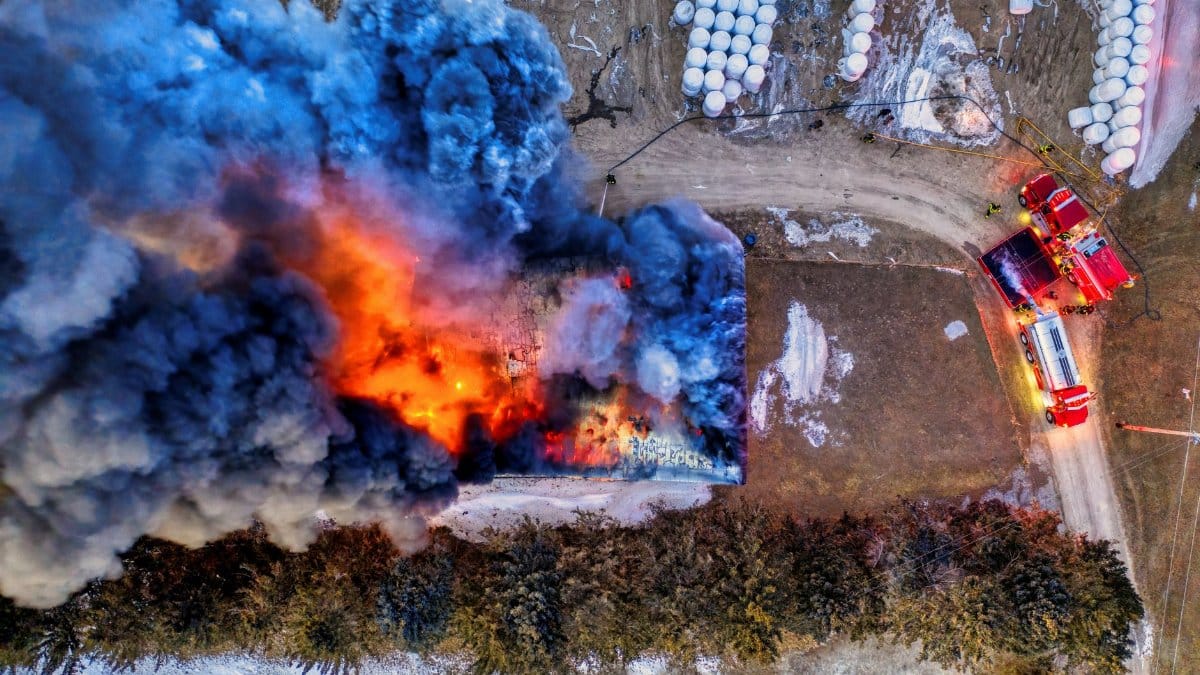
Firefighters from state and federal teams arrived promptly to establish control lines around the perimeter. Helicopters dropped water and retardant to slow the advance while ground crews focused on accessible sections. Coordination among departments proved essential given the proximity to protected lands and scattered homes. The operation reflected lessons from earlier incidents emphasizing safety and strategic placement of resources to protect both lives and property.
Evacuation Orders and Community Impact
Authorities issued notices for zones closest to the active flames urging residents to leave promptly with essential items. Shelters opened in nearby towns to accommodate those displaced though many found temporary housing with relatives or friends. As progress continued some orders lifted allowing returns for assessment of any damage. Local businesses noted a dip in activity during the peak alert period but expressed relief as normalcy returned gradually.
Connection to the Granite Mountain Memorial Site
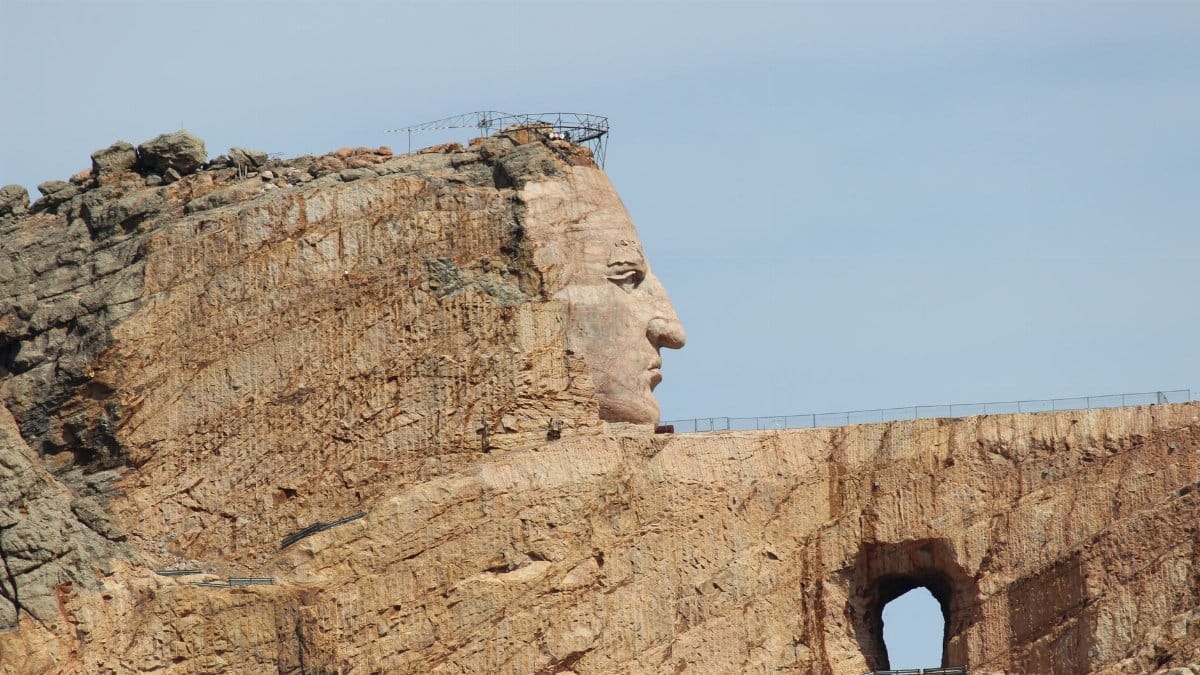
The location near the memorial for the Granite Mountain Hotshots added emotional weight to the response. Crews remained mindful of the significance while carrying out operations in the vicinity. This awareness influenced decisions on access routes and timing to avoid unnecessary disturbance. Community members gathered in quiet reflection even as operations unfolded emphasizing the enduring legacy of service in wildfire management.
Progress Toward Full Containment

Officials announced substantial gains with the fire reaching ninety percent containment within days. Remaining hotspots received continued attention through patrols and aerial support. Weather conditions cooperated with lighter winds aiding the final stages. Full control is expected soon barring any unexpected shifts in the environment.
Environmental Considerations in the Burn Area
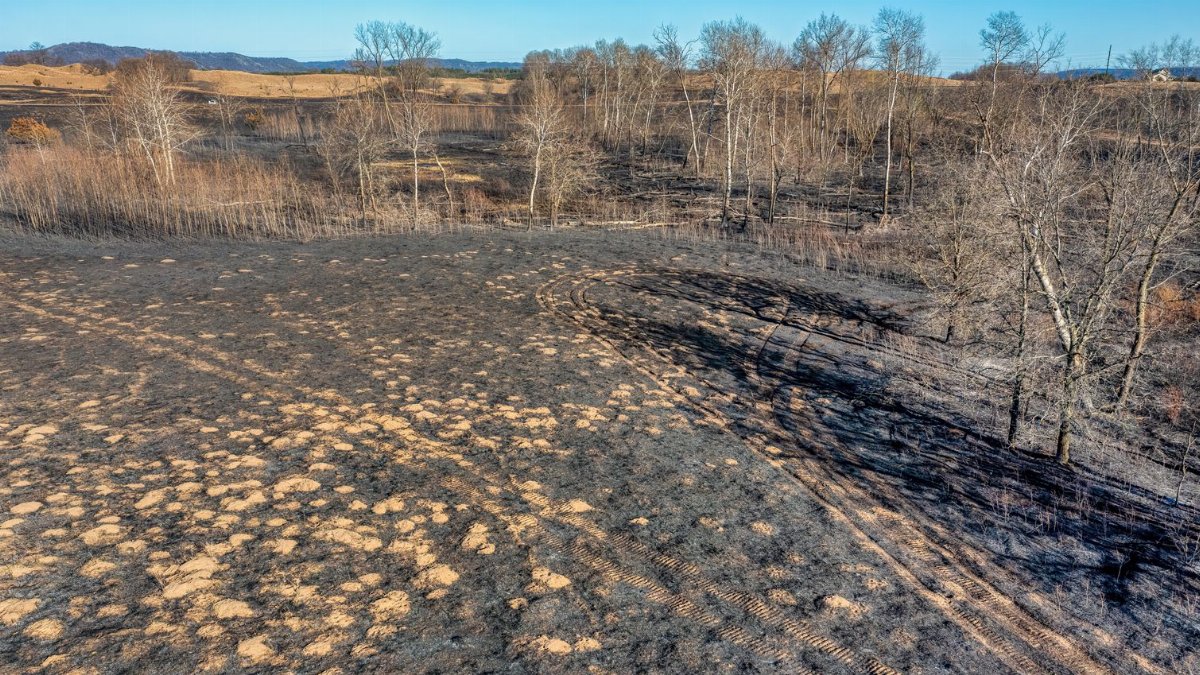
The blaze affected primarily brush and grassland with limited tree loss reported so far. Biologists will assess soil stability and vegetation recovery in coming weeks. Such evaluations guide restoration plans to prevent erosion and support native species. The episode underscores ongoing concerns about drought and fuel accumulation in wildland interfaces across the Southwest.
Lessons for Future Fire Management
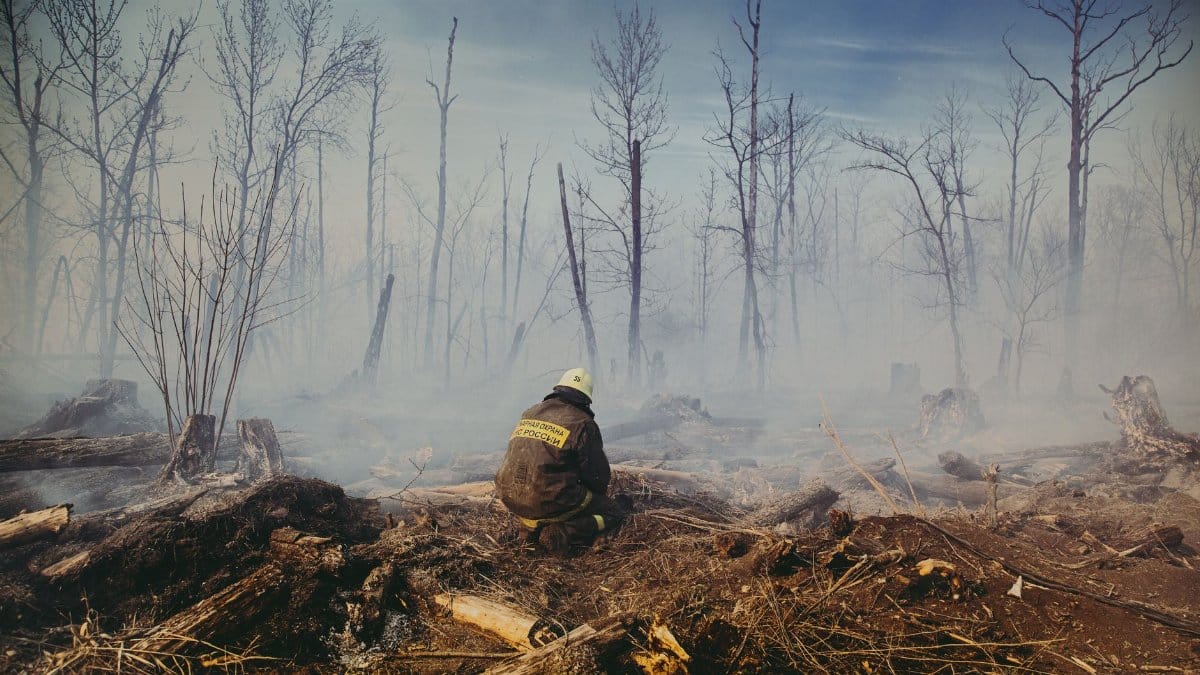
This event reinforces the value of early detection and interagency cooperation in remote locations. Training programs continue to evolve based on real world scenarios to enhance responder safety. Public education on defensible space around properties also plays a key role in reducing risks during peak seasons.
Outlook for the Affected Region
With the immediate threat subsiding attention turns to recovery and preparedness for the remainder of the summer. Local leaders plan community meetings to discuss updates and gather input on support needs. The resilience shown by residents highlights the strength of these rural networks in facing natural challenges.