
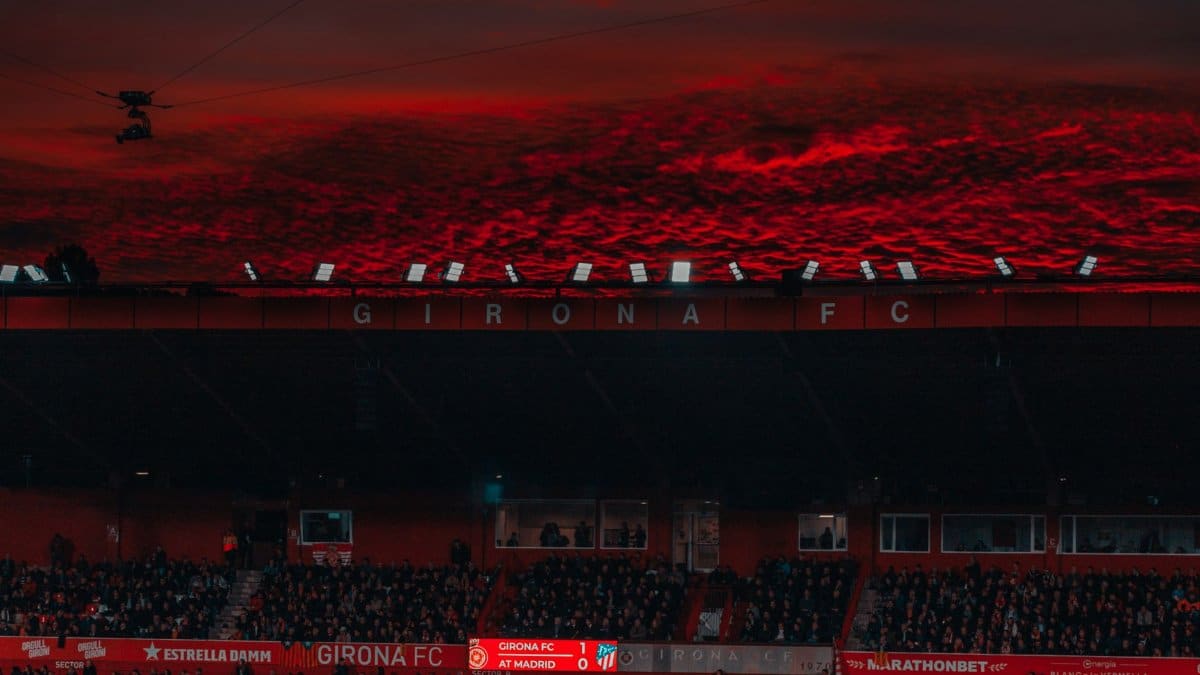
The evening at BMO Stadium had promised celebration and community spirit until an unexpected turn during the post match festivities transformed routine entertainment into chaos. Spectators had gathered to mark the fourth of July with a soccer contest featuring Angel City FC when the BMO Stadium Fireworks Incident unfolded sending projectiles into seating areas and prompting urgent movement among the crowd. What began as a standard display quickly raised concerns about planning and oversight in public venues across Los Angeles leaving many to question how such an event could occur in a space designed for family enjoyment and large scale gatherings.
Sequence of Events During the Match Conclusion
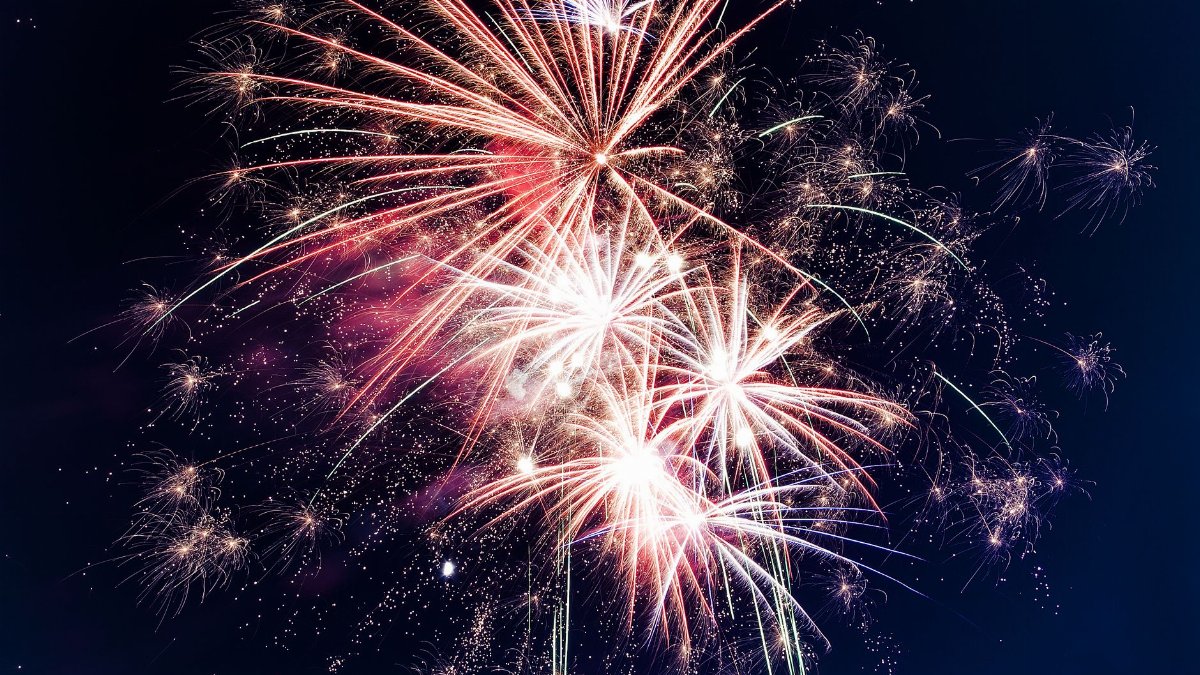
Following the final whistle fans lingered to enjoy the scheduled pyrotechnics that often accompany holiday games. Instead of launching safely outward several devices veered off course entering occupied sections. Eyewitness accounts describe bright flashes followed by immediate shouts as people sought cover or moved toward exits. Stadium staff responded by halting further launches and guiding attendees to safer zones while emergency personnel assessed the situation on site.
Immediate Reactions from Attendees

Many present described a mix of confusion and alarm as the display went awry. Parents shielded children while others recorded the moment on phones hoping to capture details for later review. Social media posts began circulating within minutes showing the trajectory of the errant items and the resulting scramble. The shared sense among those interviewed centered on relief that injuries appeared limited though the emotional impact lingered for hours afterward.
Role of Venue Management and Organizers
Operators at the stadium faced quick scrutiny over how the display was coordinated and executed. Standard procedures call for barriers and calibrated launch angles yet something in the setup allowed deviation. Representatives issued statements emphasizing cooperation with investigators and a commitment to reviewing every step taken that night. Such incidents prompt broader conversations about accountability when entertainment intersects with public gatherings.
Examination of Fireworks Safety Standards
Regulations governing pyrotechnics at sports facilities exist to prevent exactly this sort of occurrence. Experts note that wind conditions equipment calibration and operator training all play critical parts in maintaining control. In the aftermath questions arose whether current guidelines adequately address variables common in outdoor urban settings like those surrounding BMO Stadium. Adjustments may involve additional buffers or alternative celebration methods that reduce risk.
Community Response and Local Authority Involvement
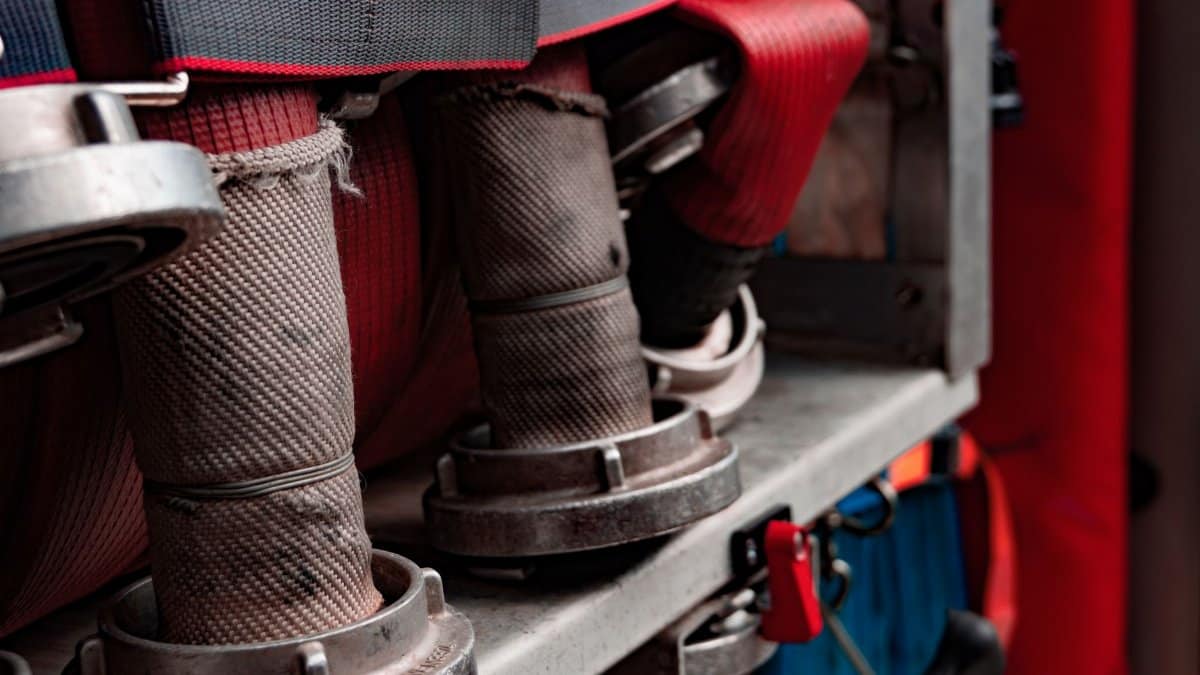
City officials and fire safety teams arrived promptly to document the scene and interview participants. Their findings will inform future permitting decisions for similar events. Local residents expressed appreciation for the rapid presence of responders while also voicing a desire for transparent reporting on what went wrong. Public forums have since hosted discussions about balancing festive traditions with the need for reliable safeguards.
Effects on Angel City FC and Future Scheduling
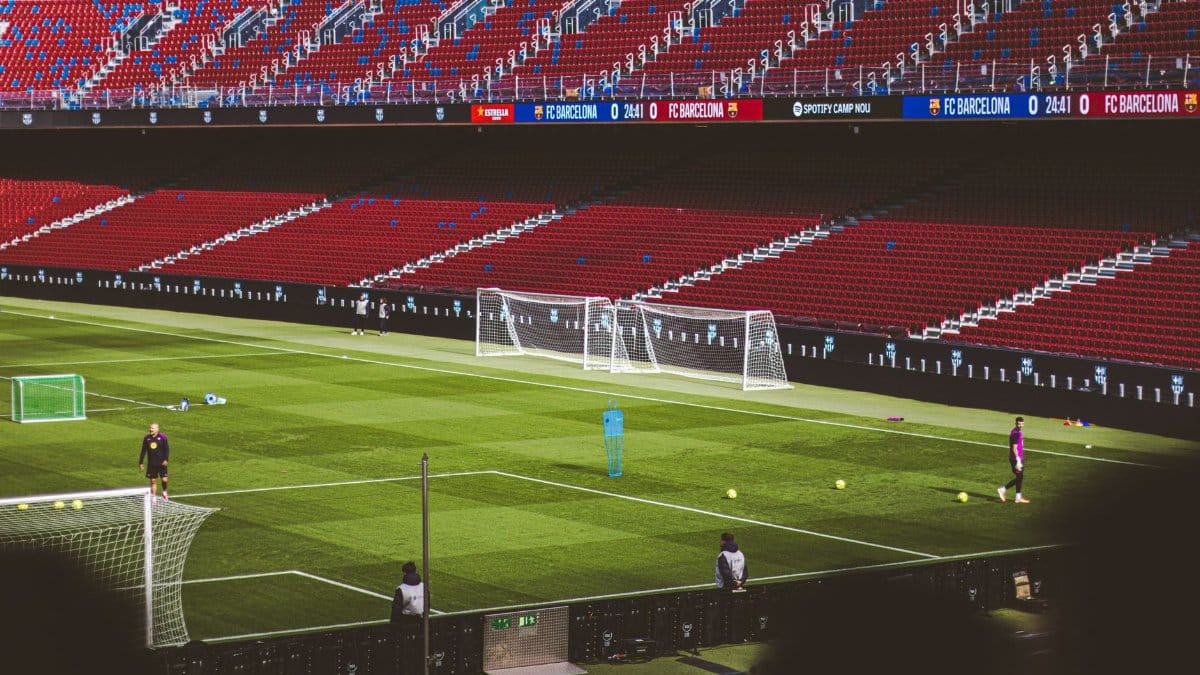
The team released a brief message expressing concern for anyone affected and pledging support for any review process. Scheduling decisions for upcoming holiday matches now carry added layers of consideration as organizers weigh the appeal of visual spectacles against potential downsides. Some supporters have suggested shifting toward light shows or other non explosive alternatives that still capture the spirit of celebration without comparable hazards.
Broader Implications for Public Events
The BMO Stadium Fireworks Incident serves as a reminder that even routine programming can encounter unforeseen complications. Venues nationwide may revisit their own protocols in light of this episode. Insurance providers and regulatory bodies often study such cases to refine coverage terms and compliance requirements ensuring that lessons translate into practical improvements rather than remaining isolated observations.
Looking Ahead Toward Revised Practices

As investigations continue stakeholders anticipate recommendations that could reshape how displays are mounted at large arenas. Enhanced training simulations and real time monitoring tools represent possible avenues for progress. The goal remains preserving the excitement that draws crowds while minimizing disruptions that can turn enjoyment into unease. Continued dialogue among teams city leaders and safety professionals will determine the path forward.