
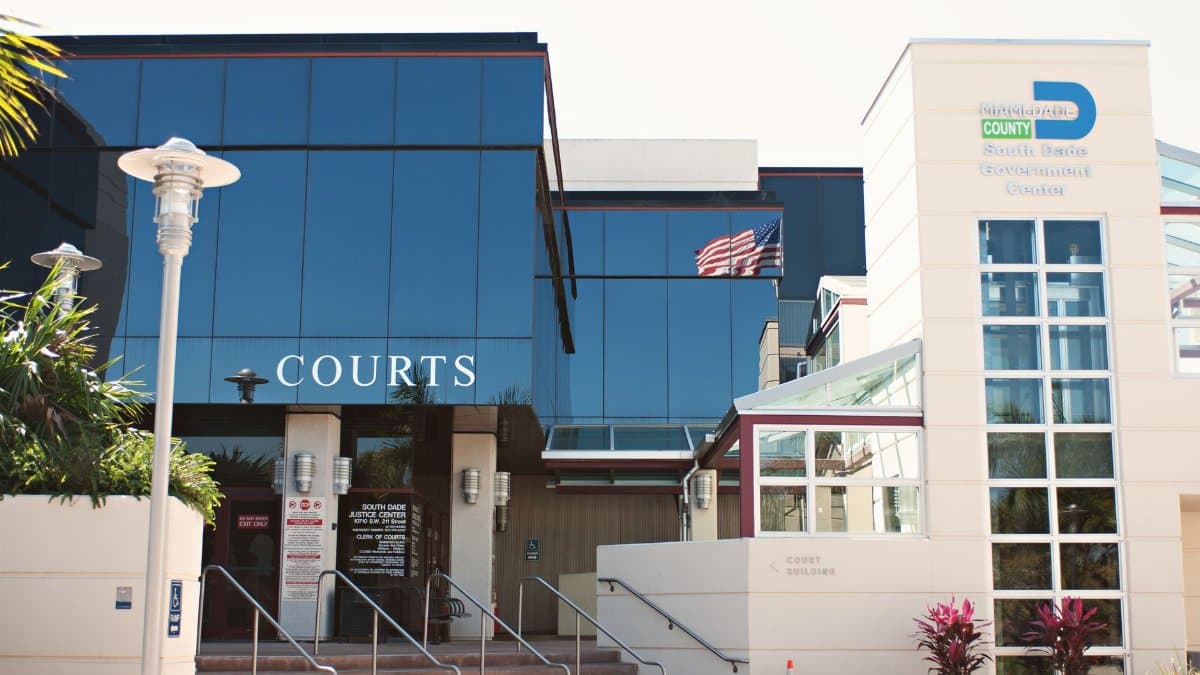
In recent developments across South Florida local leaders have taken a bold action on surveillance tools used by police. Residents and officials alike are weighing the tradeoffs between safety measures and individual freedoms as technology expands its reach into daily routines. The Miami Dade Flock shutdown reflects a broader push to reassess how data collection fits into community trust and oversight. This choice by the county sheriff stands out because it exceeds requirements from state transportation leaders and brings the entire system to a halt rather than a partial pause. Observers note that such steps could influence other regions considering similar tools for tracking vehicles on public roads.
Origins of the Surveillance Effort
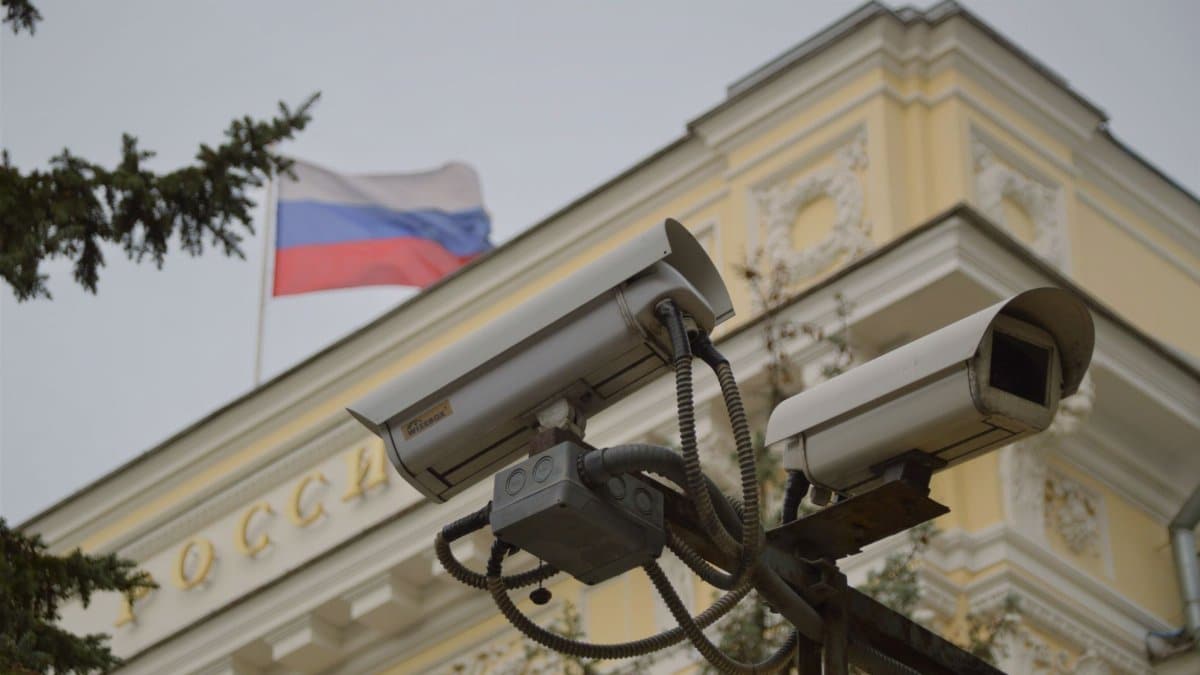
The program began several years ago as a way to assist detectives in locating stolen cars and persons of interest. Cameras captured images of passing vehicles and stored the details for later review by authorized staff. Over time the network grew to cover many roads in the county creating a vast database of movement patterns. Supporters argued it helped solve cases faster while critics raised alarms about constant monitoring of ordinary citizens going about their business.
Role of the Current Sheriff

Sheriff Rosie Cordero Stutz reviewed the setup soon after taking office and concluded that risks outweighed benefits in the current form. She ordered a complete end to operations rather than seeking adjustments or limited use. Her announcement emphasized a desire to rebuild confidence with the public through transparent practices. Department staff received instructions to power down equipment and delete stored records according to legal guidelines.
Comparison with State Level Rules

Florida transportation officials had already directed removal of some cameras along major highways due to concerns over data handling. The county action went further by covering all local installations including those on side streets and in residential zones. This difference highlights how local leaders can adopt stricter standards when they see fit for their areas.
Public Response and Community Views
Many residents welcomed the change citing worries that constant recording could lead to misuse or errors in identification. Others expressed unease that crime fighting might slow without the quick leads the system once provided. Town hall meetings have drawn crowds eager to share stories of both positive and negative encounters with the technology in the past.
Technical Details of the Cameras

The devices known as license plate readers snap photos and note time and location for each vehicle. Data stayed in a central system accessible to police for a set period before automatic deletion in normal operation. The Miami Dade Flock shutdown means no new captures will occur and existing information faces secure removal.
Impact on Local Law Enforcement

Detectives now rely more on traditional methods such as witness statements and tips from the public to advance investigations. Training programs are shifting focus toward these approaches while exploring other non invasive tools if needed. Early reports suggest case closure rates remain steady in the short term though longer studies will offer clearer pictures.
Privacy Considerations in Modern Policing

Advocates for data protection see the move as a signal that communities can demand limits on automated tracking. Legal experts point out that court rulings continue to evolve around what constitutes reasonable search in the digital age. The Miami Dade Flock shutdown adds to ongoing national talks about balancing safety with constitutional protections.
Potential Effects on Nearby Counties

Neighboring areas watch closely to see if similar reviews follow in their own departments. Some may choose partial cutbacks while others could maintain full programs with added oversight boards. The decision creates a reference point for future policy debates across the state.
Future Outlook for Technology Use

Vendors in the surveillance field may adjust their offerings to meet new expectations around consent and transparency. Local governments elsewhere might form committees to study options before wide adoption. Overall the episode shows how one jurisdiction can set a tone for responsible innovation in public safety tools.