

In recent years Florida politics has seen growing tension over how best to provide relief to homeowners facing rising costs. Local leaders now find themselves at odds with a statewide proposal that promises broad savings yet raises alarms about funding for essential public services. Miami Dade Mayor Daniella Levine Cava has taken a leading role in pushing back against the measure. The Florida property tax cut at the center of Amendment 3 would expand homestead exemptions in ways that could shift revenue streams away from cities and counties.
Origins of the Amendment Proposal
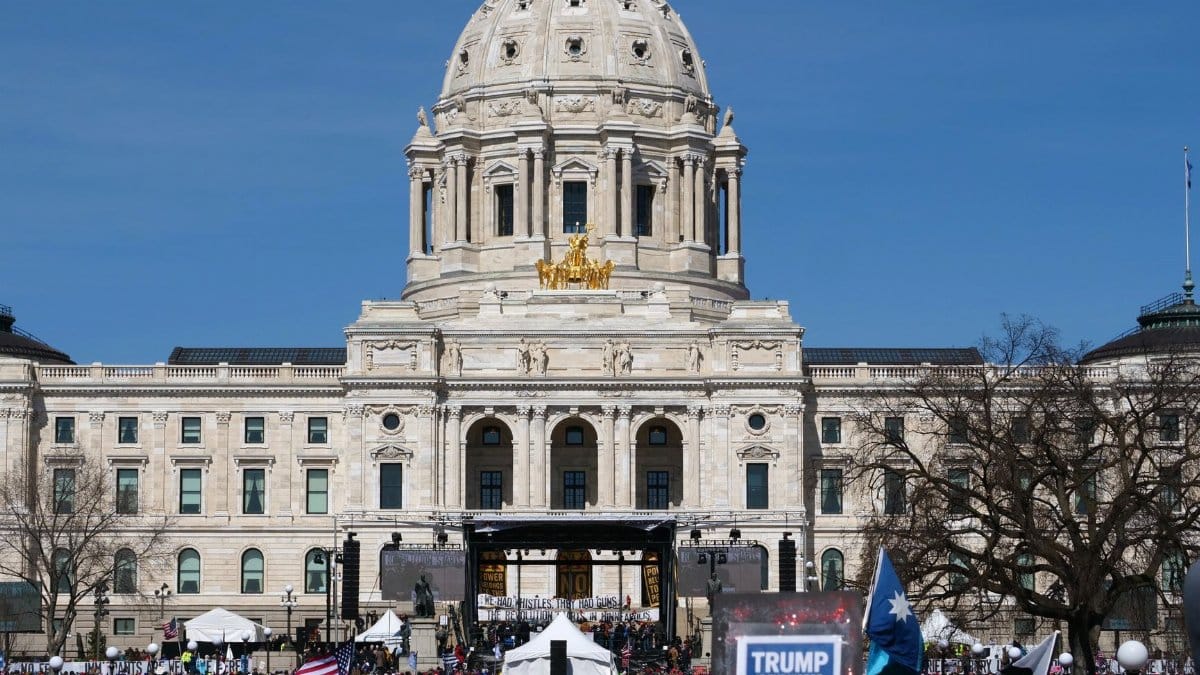
The idea behind Amendment 3 traces to legislative efforts aimed at reducing annual tax bills for longtime residents. Supporters argue that such changes would keep more money in household budgets and encourage stability in a state known for population growth. Critics however point out that the shift would force local governments to either raise rates on other properties or scale back services such as parks libraries and emergency response.
Role of Miami Dade Leadership

Mayor Levine Cava has framed her opposition around protecting the resources that sustain daily life in one of the nations busiest urban areas. She has organized public forums and joined coalitions of mayors from other large counties to highlight potential shortfalls. Her approach relies on data showing how current property tax collections support everything from road maintenance to youth programs.
Potential Effects on Local Budgets
County officials estimate that a larger exemption could remove hundreds of millions from annual revenue collections. Without replacement funds communities might face choices between cutting staff or deferring infrastructure projects. Analysts note that tourism dependent areas already operate with narrow margins and any reduction could compound existing pressures from inflation and insurance costs.
Arguments from Amendment Supporters
Backers of the measure describe it as overdue fairness for residents who have paid into the system for decades. They emphasize personal stories of retirees adjusting fixed incomes to cover rising assessments. Campaign materials stress that the change would apply only to primary residences and would still leave room for local flexibility through millage adjustments.
Concerns from Service Providers
School districts and public safety departments have expressed worry that reduced collections would arrive at a time when enrollment and call volumes continue to climb. Union representatives for teachers and firefighters have joined the mayors campaign citing examples from other states where similar exemptions led to layoffs or program eliminations. They advocate for a more gradual approach that includes state level backfilling of lost revenue.
Public Opinion Trends

Surveys conducted in recent months show divided views among voters with support stronger among older homeowners and weaker among renters and newer arrivals. Focus groups reveal that many residents want relief yet also value reliable garbage collection and well maintained public spaces. Turnout in the coming election may hinge on how clearly each side communicates these tradeoffs.
Comparisons with Other States

Florida is not alone in wrestling with property tax policy. Several states have experimented with expanded exemptions only to later adjust formulas when service quality declined. Observers suggest that successful models elsewhere often pair cuts with new revenue sources such as sales tax increases or tourism fees to maintain balance.
Next Steps in the Campaign

Mayor Levine Cava plans additional town halls and media appearances to reach voters before ballots are finalized. Her team is also preparing materials that translate complex fiscal projections into everyday impacts such as longer emergency response times or fewer after school options. The effort underscores a broader debate about how states prioritize individual savings against collective needs.