
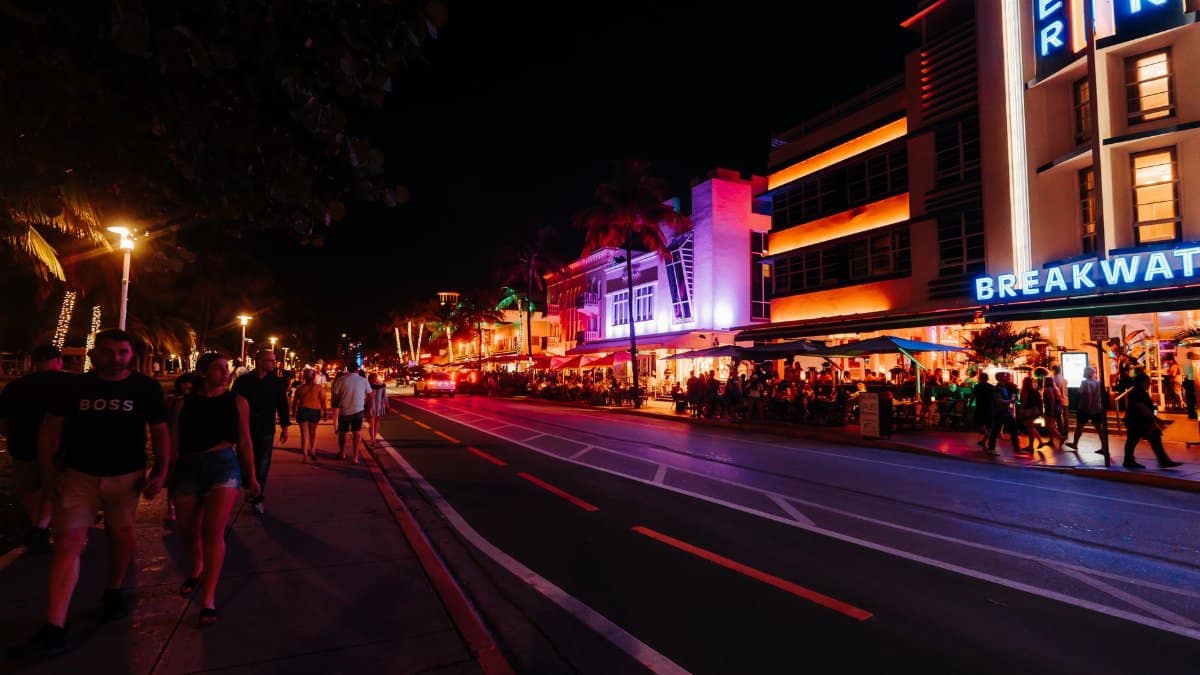
A sudden surge of noise complaints in one Brickell high rise has drawn fresh attention to how some property owners are using platforms to host repeated gatherings that spill into hallways and disturb long term residents. Neighbors describe weekends filled with music thumping until dawn and strangers wandering through lobbies after booking units for what quickly became known as an Airbnb condo party. City records show dozens of calls to police over recent months from this single address alone. Local officials are now examining whether existing rules can keep pace with the growth of such arrangements that transform private residences into temporary event spaces.
Impact on Daily Life for Permanent Residents

Families who purchased units expecting quiet home ownership now navigate crowded elevators and littered common areas on a regular basis. One couple on the fifteenth floor reports having to rearrange their own schedules to avoid peak noise hours. Property management has added security shifts yet the disturbances continue. Many residents say the building no longer feels like the stable community they joined years earlier.
Legal Framework Governing Short Term Rentals in Miami

Current city ordinances require registration and impose occupancy limits yet enforcement remains uneven across neighborhoods. Some buildings have adopted stricter bylaws that ban such uses outright while others rely on fines that owners sometimes absorb as a cost of business. Legal experts note that state preemption laws limit how far local governments can go in restricting these practices.
Financial Incentives Driving the Trend

Owners can earn several times the monthly rent by converting units into event venues especially during peak tourist seasons. Platforms facilitate direct bookings that bypass traditional hotel taxes in certain cases. This revenue gap encourages more participants even as surrounding properties lose value from the associated disruptions.
Responses from Building Associations and Managers

Condominium boards have begun circulating petitions and exploring litigation against repeat violators. Some have installed additional cameras and noise sensors to gather evidence for potential court action. Managers report spending increasing hours on complaints rather than routine maintenance.
Broader Effects on Neighborhood Character
Brickell has long marketed itself as a vibrant yet residential friendly district. Frequent events in converted condos risk shifting that balance toward a more transient atmosphere. Local businesses see mixed results with some gaining customers while others lose patronage from frustrated residents who stay home less often.
Potential Policy Changes Under Consideration

City commissioners are reviewing proposals that would tie registration to stricter neighbor notification requirements. Additional ideas include caps on the number of events per unit each year and mandatory liability insurance. Advocates argue these steps would restore predictability without eliminating all short term activity.
Comparisons with Other Cities Facing Similar Issues

New York and San Francisco have enacted tighter controls that include outright bans in certain building types. Miami officials have studied those models while weighing local economic realities tied to tourism. Differences in state laws make direct adoption difficult yet provide useful reference points.
Future Outlook for Condominium Governance
Associations may need updated governing documents that address platform based uses explicitly. Technology tools for monitoring and reporting could become standard features in new constructions. The balance between individual property rights and collective living standards will likely remain a point of ongoing discussion among owners and policymakers alike.