

The recent Argentine beef recall involving a Miami area importer highlights ongoing challenges in food safety protocols for premium imported meats. Corte Argentino in North Miami Dade pulled nearly thirty thousand pounds of product from shelves after federal inspectors discovered it had bypassed required re inspection steps. Distributed mainly across Florida and Texas this action affects restaurants and grocery stores that had stocked the high end cuts. Such events remind consumers how even established supply chains can face sudden disruptions when documentation falls short of standards set by agricultural authorities.
Company Profile and Operations

Corte Argentino built its reputation over years by sourcing grass fed selections from South American ranches and shipping them to discerning buyers in the southeastern United States. The firm maintained cold storage facilities near the Miami airport to facilitate quick distribution. Employees handled custom cuts for upscale steakhouses and specialty markets that prized the distinctive flavor profiles associated with Argentine cattle.
Details of the Product Withdrawal

Authorities listed the withdrawn items as vacuum packed ribeyes strips and tenderloins totaling fourteen tons. Packages carried labels indicating origin from specific Argentine provinces known for export quality herds. Retailers received notices to remove all affected lots immediately and return them for proper documentation review.
Regulatory Requirements for Imported Meats

United States rules mandate that every shipment of foreign beef undergo visual and paperwork checks at designated ports before clearance. When a processor skips this re inspection phase the entire batch becomes ineligible for sale. Officials emphasize that these steps exist to verify absence of contaminants and confirm proper handling during transit.
Geographic Reach of Distribution

While the primary markets sit in Florida and Texas some packages reached neighboring states through secondary wholesalers. Restaurants in Orlando and Dallas reported pulling menu items featuring the recalled cuts to avoid any risk to patrons. Grocery chains with multiple locations also scanned inventory systems to isolate the products.
Consumer Response and Store Actions

Shoppers who purchased the beef received guidance to discard it or return it to the point of sale for refunds. Store managers posted notices near meat counters explaining the withdrawal in simple terms. Many customers expressed surprise that premium imported items could encounter such issues yet appreciated the prompt transparency from retailers.
Broader Context of Meat Import Safety
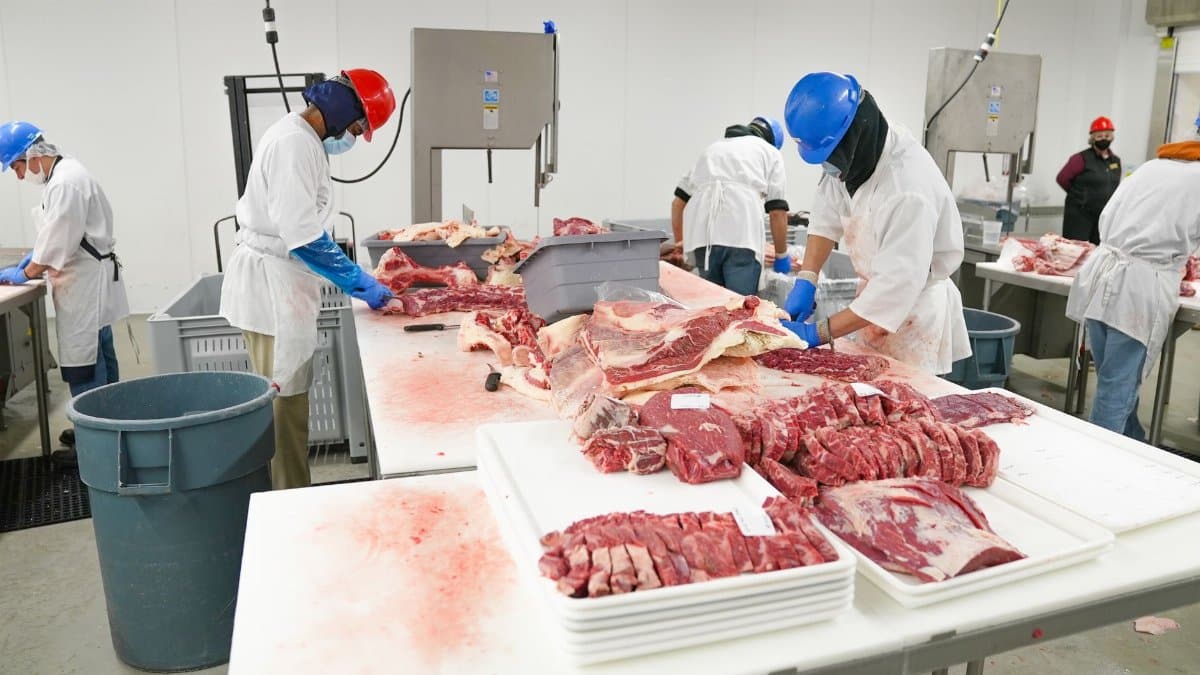
Argentina maintains strong export standards yet occasional lapses occur during the handoff between foreign plants and American inspectors. Similar withdrawals have involved other nations supplying beef to North American tables over the past decade. These episodes underscore the importance of layered verification systems that span borders.
Economic Ripple Effects for Importers
The withdrawal creates immediate costs for storage returns and lost sales while potentially affecting future contracts with Argentine suppliers. Smaller importers may struggle to absorb the financial hit compared with larger corporations that spread risk across multiple product lines. Industry analysts note that reputation damage can linger longer than direct monetary losses.
Advice for Home Cooks and Diners

Individuals who enjoy Argentine style beef dishes should check purchase receipts against the recall notice issued by federal agencies. When in doubt opting for domestic or clearly labeled alternatives reduces uncertainty. Restaurants meanwhile have begun sourcing from alternate suppliers to maintain consistent menu offerings during the investigation period.
Looking Ahead for Trade Practices

Stakeholders anticipate tighter scrutiny on documentation processes for all imported proteins in coming months. Discussions among trade groups focus on digital tracking tools that could speed verification without compromising thoroughness. Both exporters and importers stand to benefit from clearer guidelines that prevent future disruptions of this nature.