
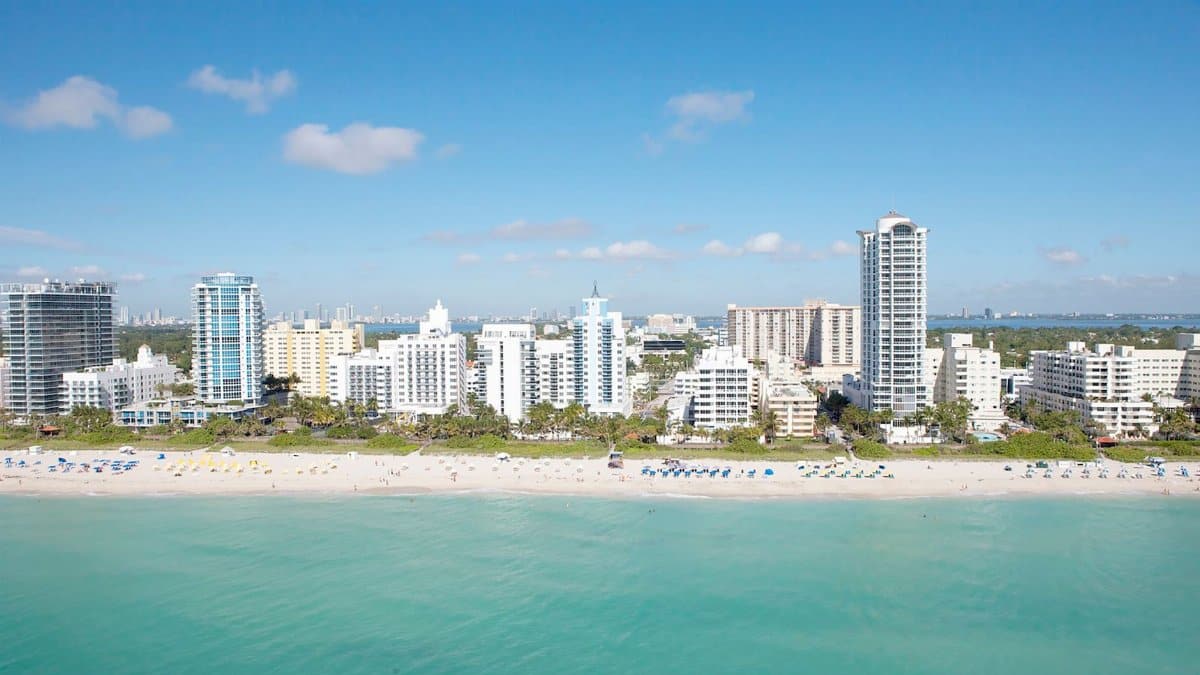
On a warm election night in Miami, the usual script did not hold. The renderings had been polished, the traffic studies summarized, the promises of jobs and public access repeated until they sounded like weather. Voters in the city and in Miami Beach looked at two major deals for public land and declined them. One fight, still unfinished in the public mind, runs through Virginia Key marina, a working stretch of bay where weekend boaters, city planners, and private operators have argued for years over who the waterfront is for. The results do not settle every argument about growth. They do suggest that residents are less willing to treat the shoreline as inventory.
Two no votes and a shared suspicion

The ballots were separate. The instinct behind them was not. In Miami and in Miami Beach, voters were asked to bless arrangements that would have placed private operators on land the public already owns, often for decades, in exchange for improvements the cities said they could not fund alone. Campaign mailers spoke of modernization. Opponents spoke of giveaways. What traveled from one city to the other was a plain doubt: once a lease is signed and a gate goes up, the public does not get the same afternoon back.
That doubt is not new in South Florida. What felt newer was the refusal to treat it as nostalgia. People who like restaurants and people who like empty ramps found themselves on the same side of a ballot question. They were not voting against boats, or against visitors, or against a city that earns its living from the water. They were voting against the idea that the only serious plan is the one with a developer attached.
Why the island keeps returning to the argument

Virginia Key sits between the mainland and the barrier islands, close enough to downtown that its future is never only local. It holds a beach, a marine stadium with its own long quarrel, wetlands, and the working water that boaters actually use. Any change there is visible from the causeway. Any lease there is a statement about who Miami thinks it is building for.
For years the island has been asked to absorb plans that sound civic and operate commercially. A better ramp here, a restaurant there, a promise of youth sailing, a clause about public hours. Each piece can be defended. Stacked together, they start to look like a shoreline redesigned around paying customers. Residents who fish at dawn or launch a small boat on a Saturday have learned to read those stacks carefully.
The marina as a test of public access

Virginia Key marina is not an abstraction. It is slips, fuel, a launch, a place where the bay is still a tool rather than a view. Operators need revenue to keep pilings standing and channels usable. Cities need partners when capital budgets are thin. None of that requires pretending that a marina lease is a neutral act. The terms decide who waits in line, what a transient boater pays, whether a family without a club membership can still reach the water, and how hard it will be to change course if the deal goes sour.
Supporters of redevelopment have argued that aging facilities fail the public more quietly than a controversial vote. Rotting docks do not hold press conferences. That argument deserves a hearing. It does not answer the harder question voters keep asking, which is whether repair must arrive bundled with a private claim on the next generation of use.
Miami Beach and the habit of refusal

Miami Beach has a longer memory of saying no than its glamour suggests. Residents there have turned down projects that promised vitality and delivered, in their view, congestion, privatization, or a skyline that no longer matched the street. Outsiders sometimes file those votes under obstruction. People who live with spring break traffic, with flooding, and with a beach that is both livelihood and refuge tend to file them under experience.
The latest rejection fits that pattern without being identical to it. The issue was not height alone, or tourism alone. It was control of land that cannot be manufactured again. A hotel room can be rebuilt. A public parcel given over for most of a lifetime cannot be casually retrieved. Voters appeared to understand the difference, even when the brochures did not linger on it.
Leases that outlast the officials who sign them

A long lease is a political technology. It lets today’s commission trade tomorrow’s flexibility for today’s ribbon cutting. The rent may look fair in the first budget cycle. The escalation clauses may look prudent. What rarely appears in the presentation is the cost of being wrong. If sea levels rise faster than the plan assumed, if the operator underperforms, if neighborhood needs shift, the city is often left negotiating from inside a contract it wrote when the photos were prettier.
Voters cannot draft better clauses from the ballot box. They can refuse to be rushed. In both cities, the no votes functioned as a demand for time. Time to compare a public repair against a private overhaul. Time to ask what access means on a Tuesday, not only on opening weekend. Time to notice when community benefits are real programs and when they are adjectives.
The language that almost carried the deals

The campaigns did not lack craft. They spoke of resilience, of equity, of activating underused land, of partnerships that would spare taxpayers. Those words are not empty. Miami does need resilient shores, and it does need investment that does not land only in wealthy pockets. The trouble starts when the vocabulary of public purpose is used to hurry a transfer of control.
I have sat through enough of these hearings, as a reporter and as a resident of this coast, to recognize the moment when a room stops hearing the adjectives. It is usually when someone asks a small operational question. Who holds the key to the gate at 6 a.m.? What happens to the existing users during construction? Who pays if the revenue forecast misses? When those answers stay soft, voters eventually supply a hard one.
What reclaiming control does and does not mean

It is tempting to read the results as a revolt against building anything at all. That reading flatters both sides and explains little. Miami is not a city that can freeze its waterfront in 1985 and call the gesture principle. Boats are larger. Storms are harsher. Public facilities deferred for a decade become hazards. Local control, if it is going to be more than a slogan, has to include the unglamorous work of maintaining what the public already has.
Reclaiming control means something narrower and more demanding. It means the city remains the client, not the applicant. It means improvements can be phased, bid, and stopped. It means a marina, a park, or a beach concession can be modernized without converting the underlying land into a private asset with a public veneer. Voters seemed to be asking for that distinction, not for decay.
The weekends the plans rarely photograph

Walk the ramps on a crowded Saturday and the politics become ordinary. A father backing a trailer. A teenager learning to idle without panicking. Someone arguing, politely or not, about whose turn it is. These scenes do not photograph as well as a sunset deck, and they do not produce the lease revenue a consultant can underline. They are nevertheless the use that justified public ownership in the first place.
Commercial energy is not the enemy of that scene. A well run fuel dock shortens the morning. A clean restroom matters. The conflict begins when the business model requires the public use to shrink so the private use can scale. Residents have watched that trade on other waterfronts, in other cities, and they arrived at these ballots already fluent in it.
The limits of a protest vote
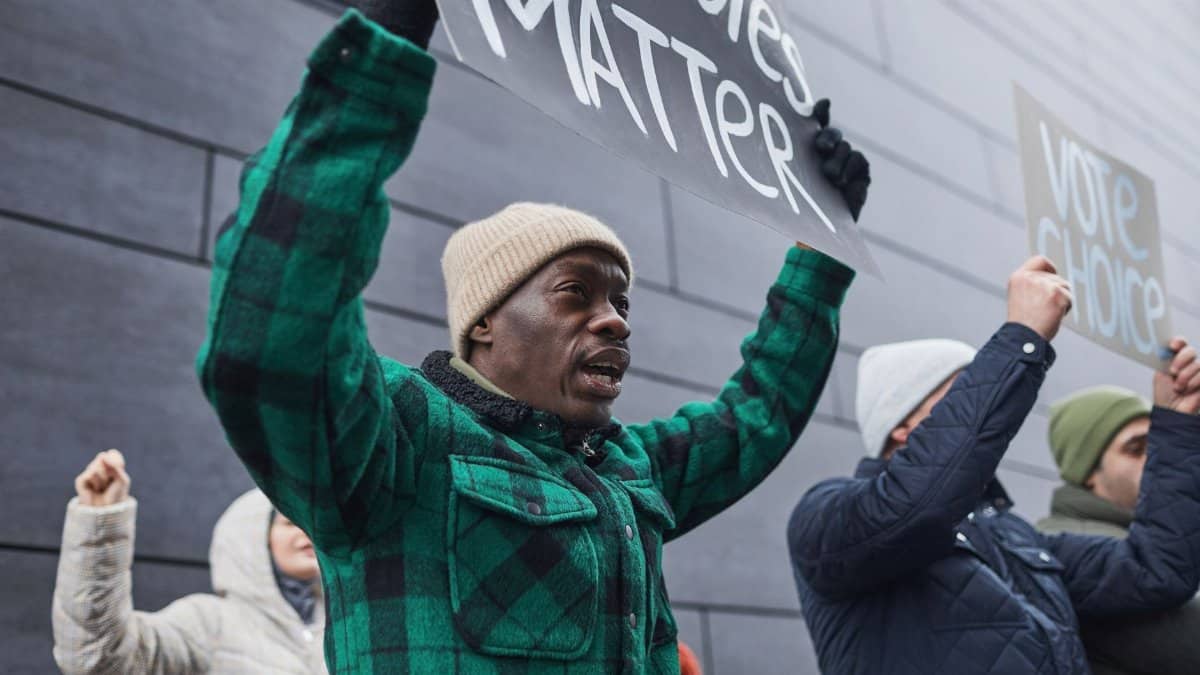
A no is not a capital plan. Cities that hear only rejection can drift into a worse bargain later, when a storm or a failed inspection creates an emergency and the only ready proposal is the one that was just defeated. Opponents of these deals will squander the moment if they treat victory as a permanent veto rather than a mandate to produce an alternative.
That alternative has to be specific. Which docks get rebuilt first. Which funds, bonds, or patient public operators can carry the cost. How fees stay high enough to maintain the facility and low enough that the bay is not a members only room. How environmental rules on Virginia Key are enforced when construction actually starts. Without those answers, the next campaign will return with the same renderings and a sharper warning about decay.
A different bargain for land the public already owns

Other waterfront cities have tried shorter terms, public operators, and contracts that keep revenue on the public books while hiring private skill for construction and day to day work. None of those models is pure. All of them can be captured by insiders. They do, at least, keep the ownership question from being smuggled inside a facilities question.
Miami could test that separation at Virginia Key marina before it tests it on a larger stage. Repair the launch. Publish the books. Set aside slips or ramp time that cannot be resold as a premium product. Invite a private partner where a private partner is actually better, and write the exit before writing the celebration. If the public benefit is real, it should survive daylight and a shorter clock.
After the count, the slower politics

Election night clarity fades by the next committee meeting. Staff still need direction. Commissioners still face budgets. Developers still own the ability to wait, revise, and return. The voters who said no will not be in the room for most of those hours. Their leverage lasts only if the officials who heard them keep treating public land as a trust rather than as stranded capital.
Miami and Miami Beach did not become anti growth cities in a single cycle. They became harder audiences for a particular kind of certainty, the kind that says the deal in front of you is the only adult option. That is a modest change. On a coast where the waterfront is both economy and common ground, modest changes in who gets to decide are the ones that last.
The question the shoreline will keep asking

Every tide makes the same demand the ballots made, which is to choose. Maintain or transfer. Share or reserve. Plan for the people who are here on an ordinary Thursday, not only for the rendering. Virginia Key marina will be the proof, one way or the other. If the cities can improve it without surrendering the title to its future, the no votes will look like the start of a more grown up waterfront politics. If they cannot, the next proposal will not need new adjectives. It will only need to wait.